Whispers Across the Border: How Belarusians Find Hope in a Silenced Country
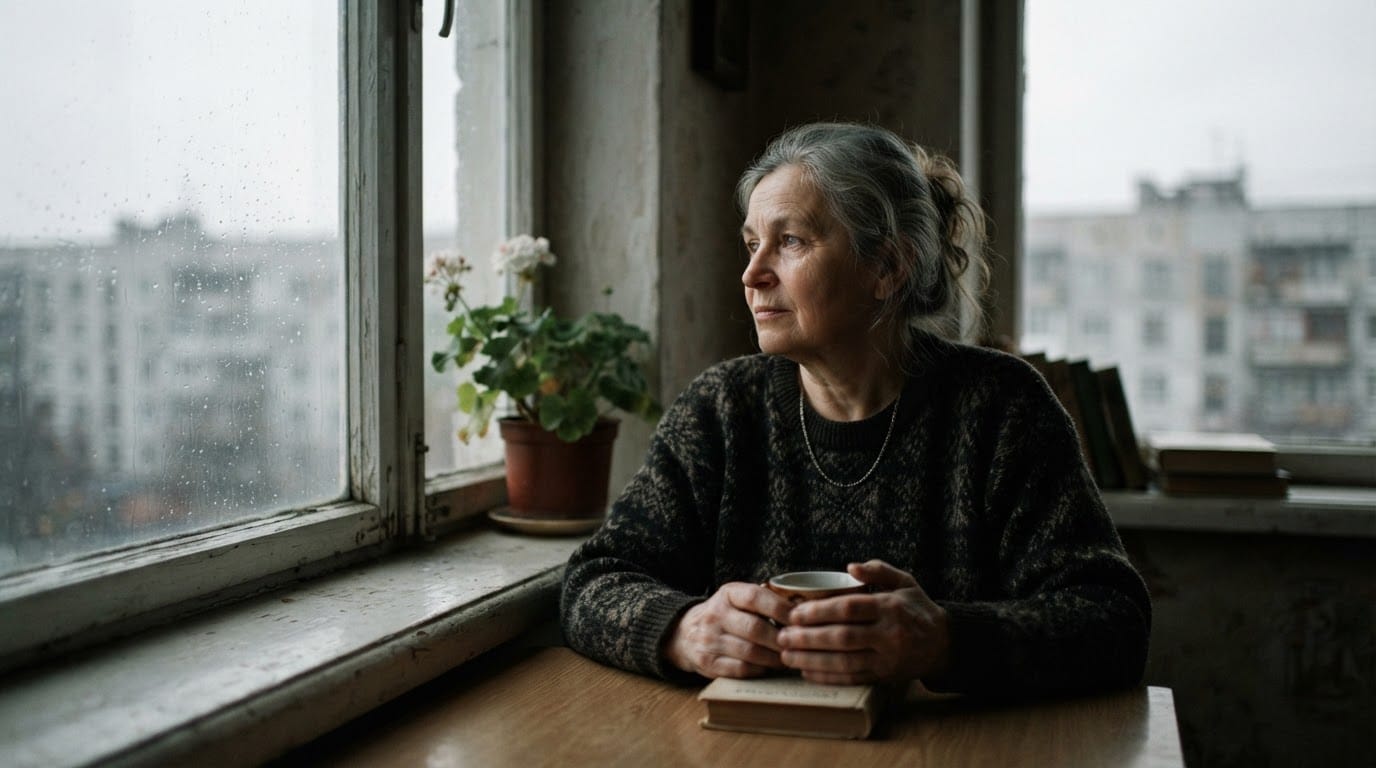
A calm surface masks deep tension across the cities of Belarus. Street traffic moves along Independence Avenue in Minsk, public markets bustle with weekend shoppers, and cafes serve morning patrons in quiet neighborhoods. Beneath this routine exterior, however, public dissent has vanished from sight. Years after the historic mass demonstrations of 2020, an exhaustive government crackdown has driven protests underground, sent hundreds of thousands into exile, and filled detention facilities across the nation.
Yet among citizens living under continuous surveillance and those separated across international borders, optimism has not entirely disappeared. Rather than through mass rallies, Belarusians increasingly maintain their morale through private solidarity networks, cultural preservation, and clandestine family support systems. While the state has silenced open opposition, everyday acts of endurance and connection have sustained a persistent belief in long-term change.
The Shadow of Repression
The current environment traces back to the contested presidential election of August 2020, when hundreds of thousands of people marched against the official victory claimed by Alexander Lukashenko. The subsequent state response created one of the most comprehensive security environments in modern European history.
Human rights records illustrate the scale of the enforcement apparatus. Independent rights groups, including Viasna, have recorded tens of thousands of politically motivated detentions and arrests since the demonstrations began. Hundreds of recognized political prisoners remain held in penal colonies, with independent rights organizations estimating that around 850 individuals remain behind bars on political charges. Many face strict isolation, denied regular access to attorneys or basic communication with relatives.
Daily life within the country now requires calculated caution. Routine online interactions, possessing national historical symbols, or subscribing to outlawed news channels can trigger police raids or immediate criminal charges. The legal framework has expanded its definition of extremism to cover a wide array of civic activity, pushing critical conversations into private living rooms and encrypted devices.
Solidarity Behind Prison Bars
Despite severe punitive measures, ordinary citizens continue to construct fragile safety nets for those caught in the justice system. One of the most common expressions of perseverance involves the steady distribution of financial and material aid to detainees.
Relatives and volunteer groups assemble heavy care packages containing permitted staples: dried fruit, warm socks, vitamins, and hygiene products. These shipments serve a dual purpose. Beyond providing essential nutrition inside under-resourced prisons, each successful package confirms that someone on the outside is tracking the prisoner's well-being.
Written correspondence remains another quiet lifeline. Even with heavy prison censorship that discards political subject matter, volunteers consistently mail hand-written cards to strangers. Senders focus on neutral topics such as changing weather, literature, or art. For recipients enduring months of solitary isolation, these simple messages provide crucial evidence that their community remembers their sacrifices.
Preserving Culture in Secret and in Exile
The pressure from state authorities has also prompted a quiet cultural revival. Because public use of the Belarusian language and independent artistic initiatives have faced systematic state scrutiny, cultural preservation has become an essential medium of resistance.
Inside Belarus, small groups coordinate private reading circles and clandestine language clubs in private apartments. Independent teachers conduct informal history lessons to keep non-state narratives alive. Outside the border, an estimated 300,000 to 500,000 citizens now live in exile, primarily in Poland, Lithuania, and elsewhere across Europe.
These diaspora hubs run publishing houses, independent media studios, and theater collectives that bypass state censorship. Writers and filmmakers regularly document the personal stories of those detained, smuggling digital files across frontiers to preserve a reliable historical archive. Diaspora programs also coordinate cross-border logistics, helping families pay legal fees and funding rehabilitation retreats for newly freed detainees.
The Changing View of Future Change
For many Belarusians, the nature of hope has shifted from expecting sudden government collapse to preparing for a gradual transition. The euphoria of 2020 brought expectations of quick political change. As the state tightened security partnerships with Moscow and hardened its domestic apparatus, observers recognized that transformation would be prolonged.
Historical context has become an important mental anchor. Citizens often look back at the decades of earlier national struggles, pointing out that national identity survived previous crackdowns and deep geopolitical isolation. While street protests are currently impossible without immediate imprisonment, civil society organizations emphasize that public attitudes have permanently moved away from unconditional acceptance of authoritarian rule.
Furthermore, international attention periodically secures the release of select political prisoners, offering rare moments of relief for families and keeping public faith alive. Each release reinforces the belief that persistent external advocacy and internal stoicism can mitigate state pressure.
Endurance in the Silence
The silence on the streets of Belarus is neither surrender nor indifference. It represents an enforced stillness where people navigate an authoritarian reality while protecting the relationships built during the initial movement.
Through encrypted family networks, cultural preservation efforts, and support systems for political detainees, ordinary citizens have maintained their personal bonds. Even under rigorous surveillance, this collective commitment to mutual assistance ensures that the aspirations for a free society remain intact, preserved quietly until circumstances permit their return to public life.