WHO Prequalifies First Malaria Treatment Developed Specifically for Newborns and Young Infants
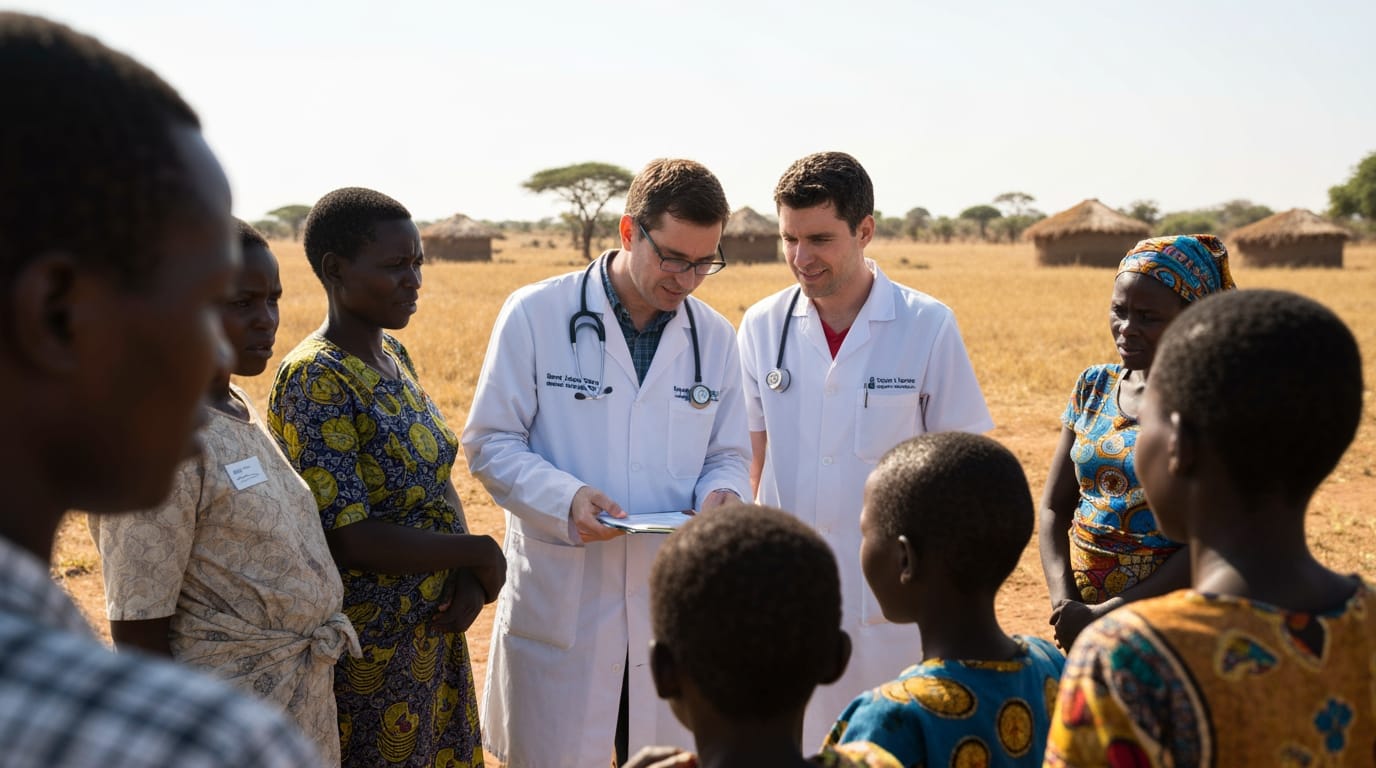
Geneva, Switzerland – The World Health Organization (WHO) has announced a landmark decision, prequalifying the first-ever malaria treatment formulated specifically for newborns and young infants. This move is poised to revolutionize the fight against a disease that claims hundreds of thousands of young lives annually, particularly across sub-Saharan Africa. The prequalification of artemether-lumefantrine (Coartem® Baby) addresses a critical, long-standing gap in malaria care for the most vulnerable patients, providing a tailored, safe, and effective option for infants weighing between 2 and 5 kilograms.
For decades, healthcare providers have faced the challenging task of adapting adult or older-child malaria medications for tiny infants, a practice fraught with risks of incorrect dosing, potential side effects, and reduced efficacy. This new, purpose-built formulation offers a precise and appropriate treatment, signaling a significant leap forward in pediatric medicine and global health equity. The announcement, made just ahead of World Malaria Day, underscores renewed hope in the global effort to eradicate malaria.
A Critical Gap Closed for the Smallest Patients
The prequalification of artemether-lumefantrine (Coartem® Baby), also known as Riamet® Baby in some regions, marks a pivotal moment for infant health. Until now, infants battling malaria often received treatments designed for larger children, necessitating complex and often inaccurate dosage adjustments. This practice carried an increased risk of dosing errors, adverse effects, and toxicity, compromising both treatment outcomes and patient safety. The newly prequalified medicine is specifically indicated for newborns and young infants weighing between two and five kilograms, providing an age-appropriate and accurately dosed therapy. The WHO's prequalification signifies that this medication meets international standards for quality, safety, and efficacy, paving the way for its procurement by public health systems worldwide.
This development is particularly crucial given the disproportionate burden of malaria on this age group. Infants, with their still-developing immune systems and unique physiological characteristics, are exceptionally vulnerable to severe malaria. The availability of a treatment specifically formulated for them not only enhances the precision of care but also aims to reduce the rates of severe illness and mortality among the youngest victims of the parasitic disease.
The Persistent Threat of Malaria to Young Lives
Malaria continues to be one of the leading causes of death among children under five years old globally, with the vast majority of cases and fatalities occurring in the African Region. In 2024, an estimated 282 million malaria cases and 610,000 deaths were reported across 80 countries, according to the WHO, with Africa accounting for 95% of these cases and deaths. Children under five years old bear a staggering three-quarters of these deaths. Each year, approximately 30 million babies are born in malaria-endemic areas of Africa, many of whom previously lacked access to appropriate, age-specific treatments.
Infants are especially susceptible to the malaria parasite, Plasmodium falciparum, which can rapidly multiply in their bodies, destroying red blood cells and leading to severe anemia, convulsions, coma, and ultimately, death if not treated promptly. Unlike adults who may develop partial immunity over time in endemic regions, infants have not yet built up these defenses, making early and effective intervention paramount. The absence of child-specific formulations has historically left this segment of the population dangerously underserved, highlighting the urgency and impact of the new prequalification.
From Research to Global Health Impact
The journey to developing Coartem® Baby was a collaborative effort between pharmaceutical company Novartis and Medicines for Malaria Venture (MMV). This partnership focused on creating a treatment that not only effectively combats the malaria parasite but is also designed to meet the unique needs of infants. The prequalification process by the WHO is a rigorous assessment that ensures medical products meet stringent international standards for quality, safety, and efficacy. This approval is a critical step, as it enables United Nations and other procurement agencies to purchase the drug for public sector distribution, thereby facilitating wider access in areas most affected by malaria.
Novartis has committed to making this treatment available on a largely not-for-profit basis in malaria-endemic regions, emphasizing a global health approach over commercial gain. This commitment, coupled with the WHO's prequalification, is expected to significantly improve access to this vital medication where it is needed most. Clinical trials and development programs were essential in demonstrating the drug's suitability and effectiveness for infants, a patient group requiring careful consideration due to their delicate physiology.
A Future with Hope, Amidst Lingering Challenges
The prequalification of artemether-lumefantrine for infants is a testament to the ongoing dedication of the global health community to combat malaria. This milestone is part of a broader strategy that includes not only new treatments but also innovative diagnostic tools and preventive measures. The WHO also announced the prequalification of three new rapid diagnostic tests (RDTs) designed to improve detection accuracy, particularly in areas where current tests are failing due to evolving parasite strains. These tests target alternative parasite proteins, offering more reliable diagnoses critical for effective treatment and disease control.
Additionally, advancements in malaria prevention, such as the recommendation of new malaria vaccines like R21/Matrix-M and RTS,S/AS01, underscore a multi-pronged approach to reducing the malaria burden on children. While these vaccines offer a powerful tool for prevention, the newly prequalified drug provides a much-needed treatment option for those already infected. Despite these significant strides, challenges remain, including drug resistance, insecticide resistance, diagnostic failures, and reductions in foreign aid spending. Ensuring equitable distribution, affordability, and sustained political and financial commitment will be crucial to fully realize the potential of these innovations.
The approval of the first malaria treatment specifically for newborns and young infants marks a profound achievement in global health. It offers a renewed sense of possibility for protecting the most vulnerable against a disease that has historically stolen countless young lives and hopes from communities. This targeted treatment, combined with advances in diagnostics and vaccines, reinforces the belief that ending malaria within our lifetime is no longer a distant dream but a tangible goal, provided there is continued and unwavering global commitment.


