Wildlife Encounter Halts World Surf League Event in New Zealand
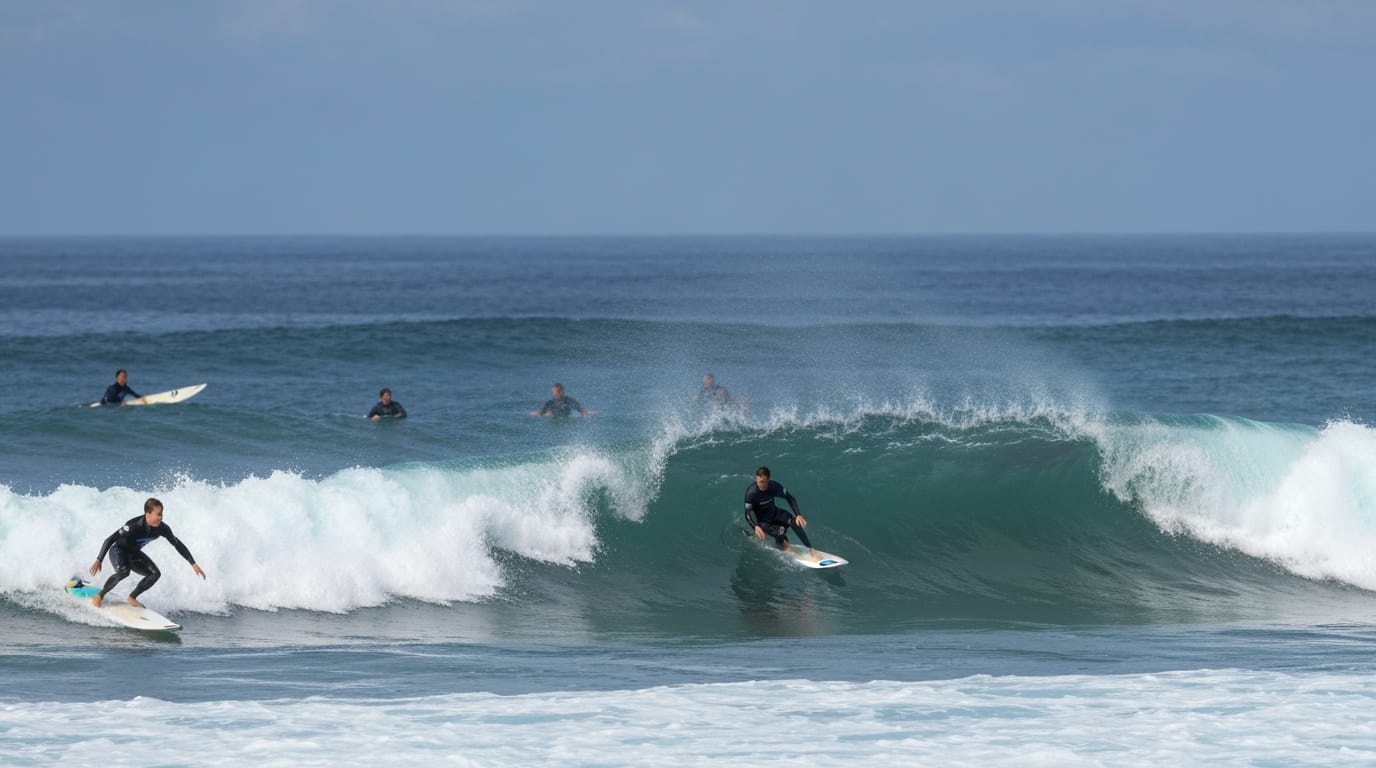
RAGLAN, New Zealand – The final day of the World Surf League (WSL) New Zealand Pro was abruptly halted Monday morning after an in-water photographer sustained puncture wounds from a suspected wildlife bite, prompting the first-ever "Code Red" activation in the tour's history. The incident, occurring off the renowned shores of Raglan, sent immediate shockwaves through the elite surfing competition, raising questions about ocean safety even as officials moved swiftly to ensure the well-being of those involved.
Unforeseen Disruption at Manu Bay
Australian photographer Ed Sloane was positioned in the water near the surf break, capturing the high-stakes men's semi-finals, when the encounter occurred just before 8:30 a.m. local time. Sloane reported suffering puncture wounds to his left foot or ankle, and his flipper was reportedly torn off during the incident. The immediate concern for Sloane's safety triggered a rapid response from event organizers. Brazilian world champions Yago Dora and Italo Ferreira, who were competing in the semi-final heat at the time, were quickly extracted from the water via jet skis, their competition abruptly paused.
The activation of a "Code Red" protocol marked a significant moment for the WSL, signifying an immediate and critical threat that requires an event suspension and evacuation of the water. Renato Hickel, WSL Vice President of Tours and Competition, confirmed it was the first time this specific emergency protocol had been utilized since its introduction following Australian surf legend Mick Fanning's shark encounter in 2015. The swift execution of the emergency plan underscored the seriousness with which the WSL approaches competitor and staff safety in dynamic ocean environments.
Rapid Response Amidst Animal Identification Uncertainty
Following the incident, Ed Sloane was transported to a local hospital. Officials reported him to be in stable condition and good spirits despite the unsettling experience. In a statement, Sloane expressed gratitude for the prompt actions of the water patrol and medical teams. His quick medical attention was paramount in managing his injuries.
However, the exact identity of the marine animal responsible for the bite remained unconfirmed for several hours, creating a layer of uncertainty. While initial fears often lean towards sharks in such scenarios, the on-scene doctor was reportedly "inclined to think it was a sea lion instead of a shark." Hickel acknowledged the ambiguity but stressed that the priority was the safety of everyone present. Both sharks and sea lions inhabit New Zealand's coastal waters, and either could potentially cause such an injury, albeit with varying typical behaviors. The visual of the incident, which saw a "splash," reportedly left the competing surfers, Dora and Ferreira, visibly shaken.
Renewed Vigilance and Competition Resumption
After several hours of suspension and a thorough assessment of the situation, the WSL made the decision to resume the New Zealand Pro in the afternoon. This decision came only after implementing heightened safety measures to mitigate further risks. These enhanced protocols included deploying jet skis for active patrolling of the surf zone, utilizing drones for aerial surveillance, and positioning additional spotters on shore to monitor for any unusual marine activity. The commitment to continuing the event, while prioritizing safety, reflected the dedication of the surfing community and organizers to the competition.
The resumption allowed the semi-finals and finals to proceed, concluding what had been a dramatically interrupted event. The incident served as a potent reminder of the inherent wildness of the ocean, even in the controlled environment of a professional sporting event.
Navigating Nature's Domain: Context of Marine Encounters
While alarming, wildlife encounters during surf competitions are rare. The most famous previous incident involved three-time world champion Mick Fanning fighting off a shark during the J-Bay Open in South Africa in 2015, an event that was broadcast live globally. Such events highlight the unpredictable nature of marine environments where humans and wildlife coexist.
New Zealand's waters are home to a diverse array of marine life, including various shark species and sea lions. Historically, New Zealand has recorded a relatively high incidence of shark attacks compared to some other regions, with 44 unprovoked attacks between 1852 and 2014. However, fatal encounters are exceedingly rare, with an average of one every 13 years since 1852, and the most recent fatal attack on a surfer occurring in 2000. The chances of drowning in New Zealand waters are significantly higher than being killed by a shark. Areas with large colonies of seals, sea lions, and penguins, such as around the Otago Peninsula, tend to attract more sharks, including great whites. Raglan, known for its consistent left-hand point breaks, is generally not considered a hotspot for frequent shark incidents.
Marine mammal interactions, while less publicized, also occur. Sea lions, curious and powerful animals, can occasionally act defensively if they feel threatened or surprised. The uncertainty surrounding the animal in question underscores the complexity of identifying culprits in fast-moving ocean encounters.
A Timely Reminder of the Ocean's Untamed Nature
The incident at the World Surf League New Zealand Pro serves as a stark reminder of the intrinsic risks associated with engaging with the ocean's wild and unpredictable environment. The swift and decisive activation of the "Code Red" protocol, combined with the efficient medical response, prevented a potentially more serious outcome for photographer Ed Sloane. While the exact species responsible for the bite remains debated, the event underscored the continuous need for vigilance, preparedness, and respect for the powerful forces and inhabitants of the marine world. Despite the disruption, the surfing community's resilience shone through, with the competition resuming under enhanced safety measures, completing another chapter in the sport's history while acknowledging the untamed beauty and inherent dangers of its arena.


