Winter Storm Grips Berlin, Halting Air Travel for Second Consecutive Day
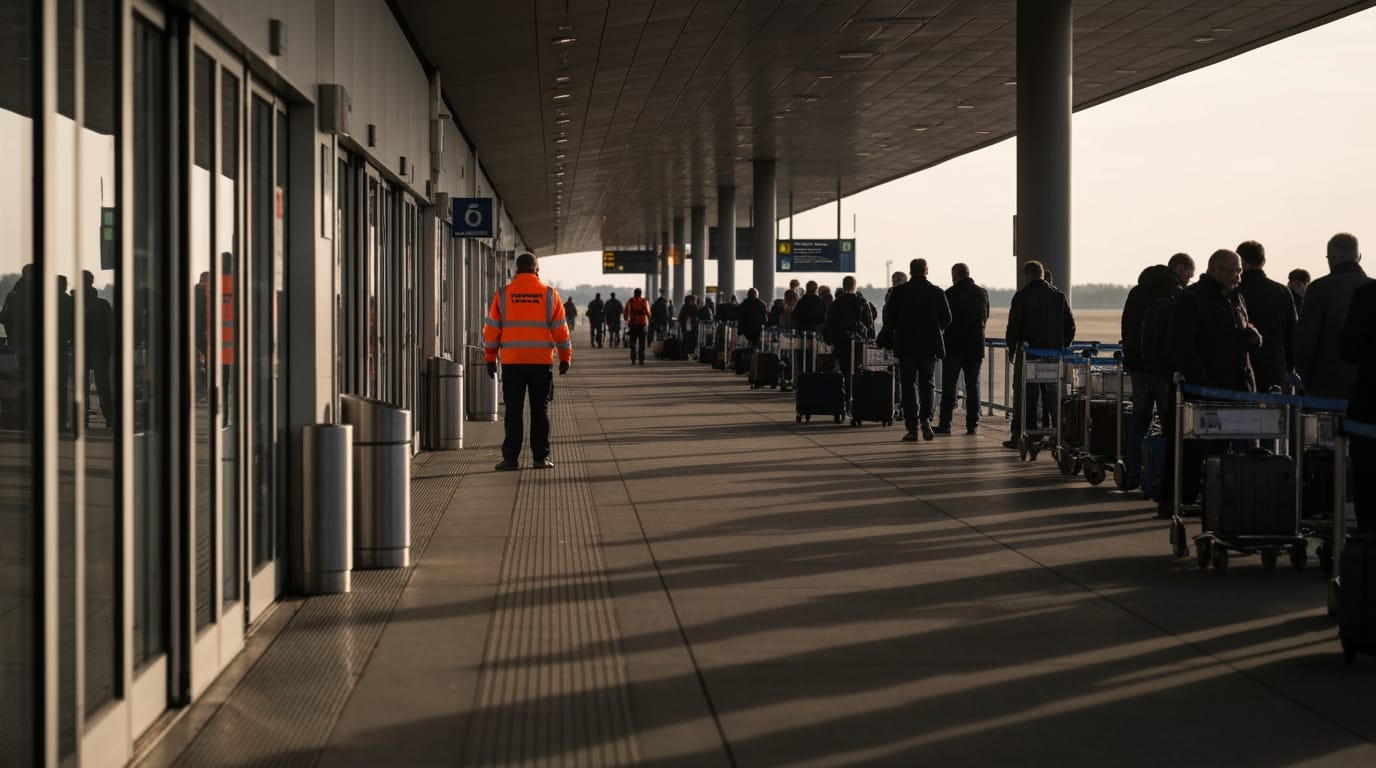
BERLIN – Berlin Brandenburg Airport (BER) has faced severe disruption to its operations for a second consecutive day, as relentless winter weather, characterized by rapidly freezing rain and icy conditions, forced a widespread halt to takeoffs and significantly impacted landings. The ongoing meteorological challenges have grounded numerous flights, leaving thousands of travelers stranded and snarling air traffic across the region.
The initial suspension of takeoffs began early Thursday, February 4, around 7:55 AM Central European Time, when conditions rendered de-icing procedures ineffective and created hazardous conditions for aircraft. While incoming flights were initially still able to land, the cumulative effect of the prolonged severe weather has resulted in widespread travel disruptions that have now extended into Friday, February 5.
The Unfolding Disruption
The onset of freezing rain on Thursday morning quickly compromised runway safety and aircraft operability at BER. Airport authorities made the decision to halt all takeoffs as the rapidly accumulating ice layers made safe departure impossible. This immediate measure aimed to ensure passenger and crew safety, but it rapidly cascaded into a day of frustration and uncertainty for travelers. Although initial reports indicated that landings could proceed, the deteriorating conditions and the backlog created by grounded departures inevitably led to broader operational challenges.
The airport's official statements on Thursday confirmed the suspension of departures due to the extreme weather, with departing aircraft left stationary on the tarmac. The decision to extend or continue the operational limitations into a second day underscores the severity and persistence of the winter storm gripping the German capital. Air traffic control and airport management have been working to manage the complex logistics of rescheduling flights and accommodating passengers amidst the ongoing inclement weather.
Impact on Travelers and Operations
The extended disruption at BER has caused significant inconvenience for passengers, many of whom faced unexpected delays, diversions, or outright cancellations. Thousands of individuals planning to depart from or arrive in Berlin have seen their travel plans thrown into disarray. While specific numbers for affected passengers and canceled flights for the second day remain fluid, the initial halt on Thursday affected a considerable volume of air traffic. The backlog created by the initial closures on Thursday has contributed to continued operational challenges, as airlines struggle to reposition aircraft and crews once conditions improve.
Passengers have reported lengthy waits at terminals, with many seeking alternative transportation or emergency accommodations. The cascading effect of weather-related delays at a major hub like Berlin extends beyond its immediate vicinity, impacting connecting flights and itineraries across Europe. Airlines have advised passengers to check their flight status regularly and anticipate further changes as the weather system slowly moves out of the region.
Airport Response and Broader Context
Airport personnel and ground staff have been working continuously to mitigate the impact of the storm. Efforts include intensive de-icing operations on aircraft and regular clearing of runways and taxiways. However, the persistent nature of the freezing rain has posed a considerable challenge to maintaining clear and safe operational surfaces. The decision to prioritize safety over schedule efficiency highlights the seriousness of the weather conditions encountered.
This incident at Berlin Brandenburg Airport is not isolated, as severe winter weather has a history of impacting air travel across Germany and Europe. While climate activist protests by groups such as Last Generation have also led to past disruptions at BER and other German airports by activists gluing themselves to runways, these recent halts are purely due to natural phenomena. The current situation underscores the vulnerability of even modern aviation infrastructure to extreme weather events and the complex coordination required to restore normal operations.
Looking Ahead
As of Friday, February 5, the outlook for full restoration of services remains dependent on weather improvements. Airport authorities continue to monitor meteorological forecasts closely, with decisions on resuming full operations being made in real-time based on safety assessments. Passengers are urged to maintain direct communication with their respective airlines for the most current information regarding their flights. The comprehensive impact of these two days of disruption is expected to reverberate through airline schedules for several days, as carriers work to clear the backlog and re-establish regular service.


