Winter's Icy Grip Halts Western Europe, Sparking Widespread Travel Chaos and Fatalities
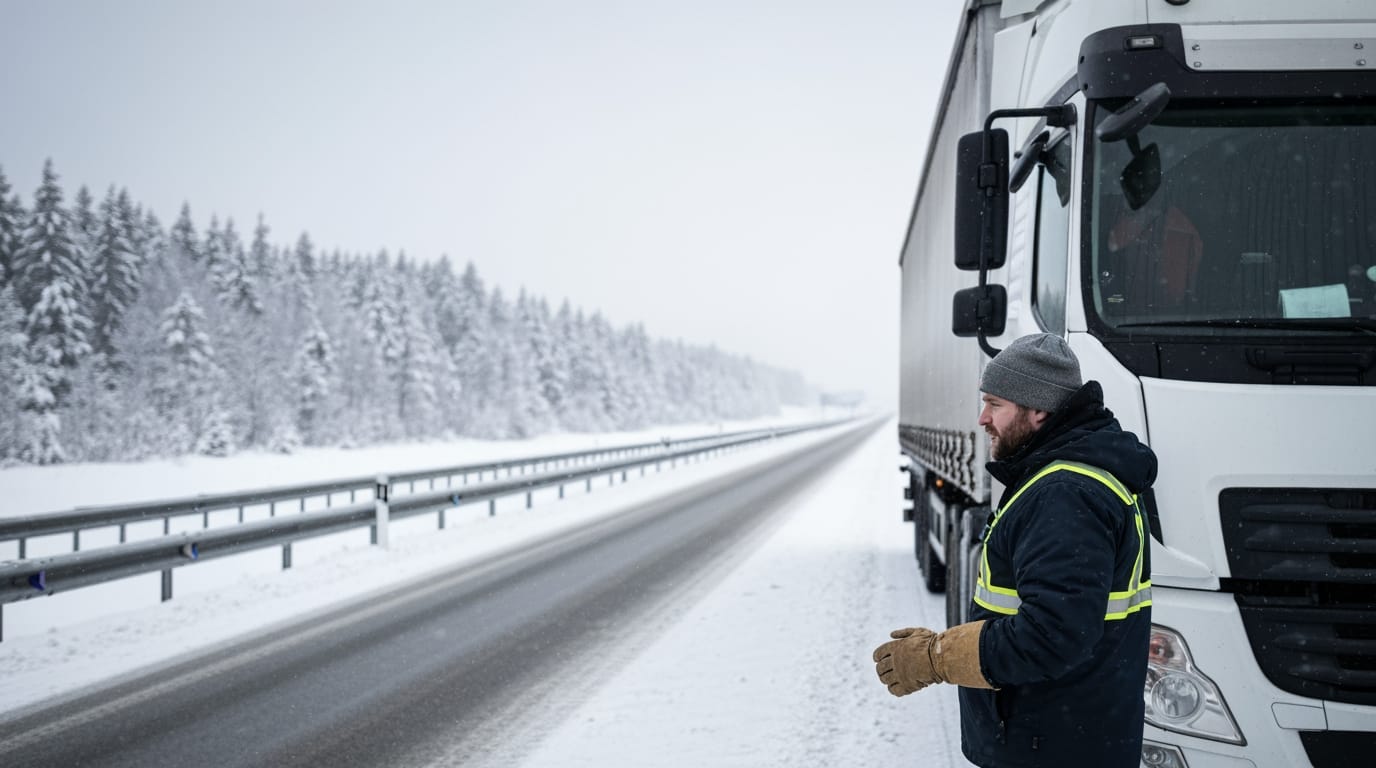
A brutal cold snap, bringing with it heavy snowfall, widespread ice, and plummeting temperatures, has plunged Western Europe into a state of severe disruption, grounding hundreds of flights, paralyzing rail networks, and turning roads into treacherous hazards. The relentless winter weather has led to significant travel chaos across multiple nations, impacting millions of commuters and holidaymakers, and tragically, claiming at least six lives in weather-related incidents. As of Wednesday, authorities are grappling with an unprecedented strain on infrastructure and emergency services, with forecasts indicating persistent challenging conditions across the continent.
The Unrelenting Onslaught of Winter Conditions
The severe weather front, encompassing heavy snow, freezing rain, and black ice, has gripped vast swathes of Western Europe for several days, intensifying throughout the week. Temperatures have plummeted dramatically, with parts of the UK experiencing lows of -12.5 degrees Celsius, while south and east Germany saw mercury drop well below -10C. France's national weather service, Météo France, placed 38 of the country's 96 mainland departments on alert for snow and black ice, describing the intensity of the cold snap as rare for the season. The Netherlands, Belgium, and parts of Scandinavia have also been significantly impacted by the prolonged period of extreme cold and snowfall. Further south, the Balkans have faced a combination of heavy snow and rain, leading to swollen rivers and disruptions to power and water supplies, while Italy saw snow in its northern and central regions and freezing temperatures forecast. The arrival of "Storm Goretti," the first named storm of the year, is further exacerbating conditions, bringing additional snowfall and black ice risks to the region.
Europe's Travel Infrastructure Under Duress
The immediate and most visible consequence of the severe weather has been the widespread paralysis of Europe's transportation networks. Air travel has been particularly hard hit, with major hubs experiencing extensive cancellations and delays. Amsterdam's Schiphol Airport, one of Europe's busiest, reported more than 800 flights cancelled on Wednesday alone, marking the sixth consecutive day of disruption. Over 1,000 passengers were forced to spend Tuesday night at the airport, receiving field beds and breakfast as staff worked tirelessly to clear runways and de-ice aircraft. National airline KLM noted that de-icing fluid supplies were under pressure due to the sustained cold. Similarly, Paris's two main airports, Roissy-Charles de Gaulle and Orly, saw significant flight reductions, with approximately 40% of flights at Charles de Gaulle and 25% at Orly expected to be scrapped on Wednesday to facilitate snow clearance and de-icing operations. Six airports across northern and western France were temporarily shut down earlier in the week due to heavy snowfall.
Rail services have fared little better. The Dutch rail network experienced widespread disruption, with domestic services suspended due to an IT outage compounded by icy conditions, leading to fewer trains operating and significant delays. Cross-border connections were also severely affected, with trains from Belgium unable to enter the Netherlands. In Sweden, all city trams in Gothenburg were taken out of service on Wednesday morning due to heavy snow posing risks to other traffic. Eurostar services between Amsterdam and Paris also faced cancellations and delays. The UK's rail network also contended with substantial disruptions, particularly in northern regions, mirroring difficulties seen across the continent.
Roads Become Perilous, Human Toll Mounts
Beyond air and rail, road networks have become exceedingly dangerous. Across the Netherlands, over 700 kilometers of traffic jams clogged highways, as trucks struggled with icy conditions and snowplows worked to clear routes. French authorities ordered trucks off the road in some areas due to heavy snowfall, particularly around Paris, where traffic was snarled. In Paris, heavy snow forced the suspension of bus services, impacting one of the busiest retail days of the year. The hazardous driving conditions have tragically contributed to several fatalities. At least six people have died in weather-related incidents. In France, authorities in the Landes region reported three deaths and 15 injuries in road accidents on Tuesday, with two more fatalities occurring in the Paris area. One driver died after veering into the Marne River, and another in a collision with a heavy goods vehicle. In Sarajevo, Bosnia, a woman died after a snow-covered tree branch fell on her head.
The severe weather has also brought wider societal impacts. In Berlin, thousands of households faced a fourth day without electricity in freezing temperatures, following a suspected attack on high-voltage lines, though power restoration efforts were underway. Hundreds of schools across northern regions of the UK were forced to close, and in Rome, the mayor banned all recreational and sporting events in public areas due to the inclement weather. While many travelers endured significant hardships, some residents, particularly children, found unexpected delight in snow-covered landscapes, with a skier even spotted along the snowy bank of the Seine river in Paris.
Recovery Efforts and Lingering Challenges
Authorities across Western Europe are urging citizens to avoid non-essential travel and to exercise extreme caution if journeys are unavoidable. Emergency services are stretched thin, responding to numerous incidents ranging from road accidents to power outages. Efforts to clear snow from crucial infrastructure and de-ice aircraft continue around the clock. However, with continued forecasts for freezing temperatures and further snowfall in several regions, the immediate outlook remains challenging. The disruptions underscore the vulnerability of modern interconnected societies to extreme weather events, highlighting the critical need for robust winter preparedness and adaptable infrastructure.
The widespread blanket of snow and ice has transformed some of Europe's iconic landscapes, from the Eiffel Tower to the rooftops of Amsterdam, into picturesque winter scenes. Yet, beneath the serene veneer lies a continent grappling with significant logistical hurdles and human tragedies. As winter's grip shows few signs of immediately loosening, the focus remains on ensuring safety, restoring essential services, and mitigating the ongoing impact on daily life and the broader European economy.