'Wokeness' Under Fire: A Transatlantic Culture War
A cultural battleground is taking shape across the Western world, with the term "wokeness" at its epicenter. From the United States to Germany and France, debates surrounding identity politics, social justice, and freedom of speech are intensifying, sparking heated clashes in academic institutions, media outlets, and political arenas. What began as a call for greater awareness of social inequalities has morphed into a complex and often contentious issue, raising questions about the direction of progressive values and the limits of acceptable discourse.
The American Front: A Battle Over Education and Identity
In the United States, the "anti-woke" movement has gained significant traction, particularly among conservatives. Figures like Florida Governor Ron DeSantis have positioned themselves as staunch opponents of what they see as the encroachment of "woke ideology" into schools and universities. This has led to legislative efforts aimed at restricting discussions of race, gender, and sexuality in educational settings.
These efforts often target diversity, equity, and inclusion (DEI) programs, which are designed to promote representation and support for marginalized groups. Critics argue that such programs promote division and discriminate against individuals based on their identity. Supporters, however, contend that they are necessary to address historical inequalities and create a more inclusive society.
The debate extends beyond education, encompassing a wide range of cultural issues, from corporate social responsibility to entertainment. Companies that embrace progressive values have faced boycotts and criticism from those who believe they are pandering to a "woke" agenda. Similarly, films and television shows that feature diverse casts or address social issues have been targeted by online campaigns.
European Echoes: Adapting the Culture War
While the American culture war on "wokeness" has its own distinct characteristics, similar debates are playing out in Europe, albeit with local nuances. In countries like France and Germany, concerns have been raised about the influence of American-style identity politics on national identity and social cohesion.
In France, the term "wokeism" is often used pejoratively by critics to describe what they see as a U.S.-driven shift in progressive values that threatens French unity. Figures from both the right and the left have expressed concerns about the perceived repression of diverse opinions on gender and race and the promotion of minority identities at the expense of national identity. Think tanks have even been created to combat the spread of "woke ideology," which they view as a dangerous and divisive import.
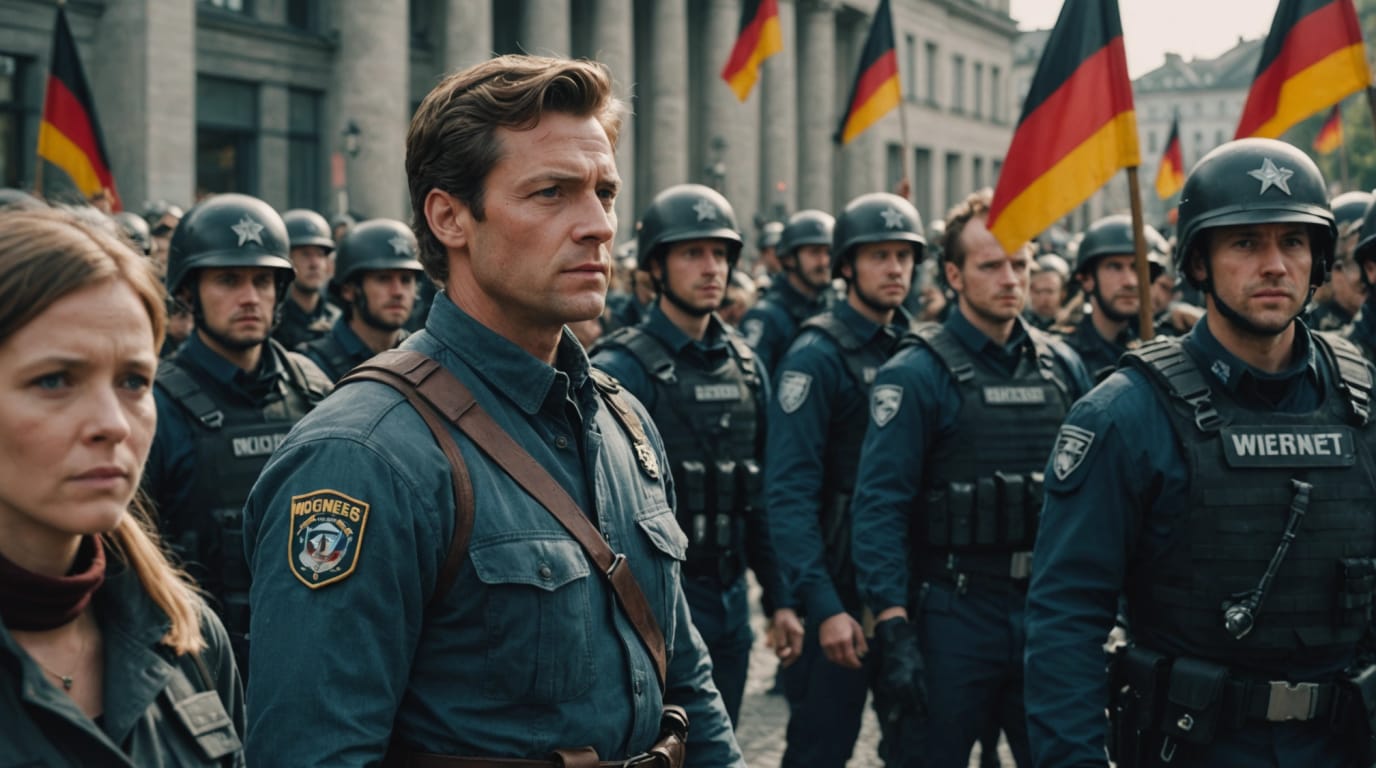
Germany has also witnessed a growing debate about "wokeness," with some commentators expressing concern that it is being used as a tool to silence dissenting voices and undermine traditional values. The right-wing Alternative for Germany (AfD) party has seized on the issue, using it to mobilize its base and attack mainstream political parties. However, unlike the United States, the anti-"woke" sentiment in Germany is not always aligned with traditional political divides, with some on the left also expressing skepticism about certain aspects of identity politics.
The Core Concerns: Free Speech and Social Cohesion
At the heart of the culture war on "wokeness" lie two fundamental concerns: freedom of speech and social cohesion. Critics argue that the pursuit of social justice has, in some cases, led to the suppression of dissenting opinions and the creation of a climate of fear, particularly in academic institutions. They point to instances of "cancel culture," where individuals are publicly shamed or ostracized for expressing views deemed offensive or insensitive.
Conversely, proponents of "wokeness" argue that these concerns are overblown and that the real threat comes from those who seek to silence marginalized voices and perpetuate inequality. They contend that "cancel culture" is often a misnomer and that holding individuals accountable for their words and actions is a necessary step towards creating a more just and equitable society.
The debate over social cohesion is equally complex. Critics of "wokeness" argue that it promotes division by emphasizing group identities over shared values and national unity. They fear that this can lead to fragmentation and undermine the social fabric. Supporters, however, argue that recognizing and celebrating diversity is essential for creating a truly inclusive society. They believe that addressing historical injustices and empowering marginalized groups strengthens social cohesion in the long run.
The Role of Social Media and Misinformation
Social media has played a significant role in amplifying the culture war on "wokeness." Platforms like Twitter and Facebook have become battlegrounds where competing narratives clash and misinformation spreads rapidly. The algorithms that govern these platforms often prioritize engagement over accuracy, leading to the amplification of extreme views and the creation of echo chambers.
This has made it difficult to have nuanced and productive conversations about complex issues. The debate is often reduced to simplistic slogans and personal attacks, making it harder to find common ground. Moreover, the anonymity afforded by social media can embolden individuals to engage in harassment and abuse, further chilling free speech.
Navigating the Divide: Finding Common Ground
As the culture war on "wokeness" continues to rage, it is essential to find ways to bridge the divide and foster constructive dialogue. This requires a willingness to listen to different perspectives, engage in good-faith debate, and recognize the complexities of the issues at stake.
It also requires a commitment to protecting freedom of speech while also promoting responsible discourse. This means condemning hate speech and harassment while also defending the right to express unpopular or controversial opinions. It means fostering a culture of empathy and understanding, where individuals are willing to engage with those who hold different views.
Ultimately, the culture war on "wokeness" is a reflection of deeper societal tensions and anxieties. Addressing these tensions requires a comprehensive approach that tackles inequality, promotes social justice, and strengthens democratic institutions. It requires a commitment to building a society where everyone feels valued, respected, and empowered to participate in the democratic process.
Conclusion: A Continuing Evolution
The culture war surrounding "wokeness" is far from over. It is a dynamic and evolving phenomenon that will continue to shape political and social discourse in the years to come. As societies grapple with issues of identity, inequality, and freedom of speech, it is crucial to approach these debates with nuance, empathy, and a commitment to finding common ground. Only then can we hope to build a more just and inclusive future for all.