Women Re-evaluate Hookup Culture Amidst Rising Burnout
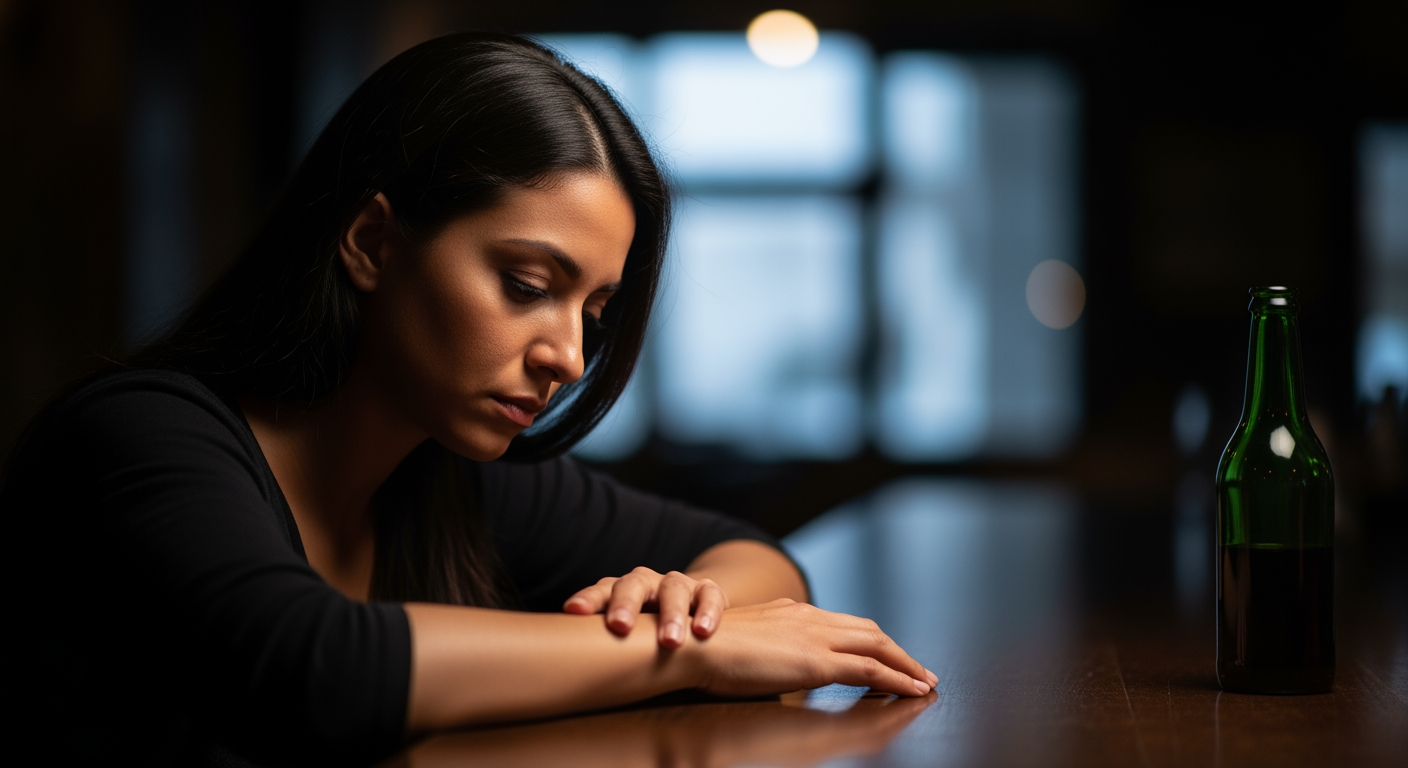
A growing number of women are expressing widespread dissatisfaction and experiencing significant emotional burnout from casual sexual encounters, prompting a re-evaluation of the prevailing hookup culture. What was once heralded by some as a symbol of sexual liberation and autonomy has increasingly led to feelings of emptiness, anxiety, and a profound longing for deeper emotional connections, signaling a potential shift in modern dating paradigms. This evolving sentiment suggests that for many, the promise of unattached intimacy often fails to deliver on its purported benefits, giving way to a search for more meaningful relational dynamics.
The Evolution and Erosion of Casual Allure
The concept of "hookup culture" emerged as a dominant force in recent decades, particularly on college campuses, often framed as a liberating departure from traditional courtship rituals. For some women, engaging in casual sex was initially seen as an opportunity for sexual exploration and control over their bodies and choices, breaking free from perceived societal double standards. However, despite this initial appeal, research and anecdotal evidence suggest that the reality for many women has been considerably different, with experiences frequently falling short of empowerment. While some individuals, across genders, report positive outcomes such as increased confidence or stress relief when casual sex aligns with their personal beliefs and is driven by autonomous motivation, a significant trend indicates a darker side to the culture.
The Escalating Emotional and Psychological Toll
The primary driver behind women's growing disillusionment with hookup culture appears to be the considerable emotional and psychological toll it exacts. Many women report experiencing negative mental and emotional consequences after casual encounters, including feelings of regret, anxiety, sadness, and diminished self-esteem. This can manifest as a sense of emptiness or loneliness, particularly when expectations for the encounter are not aligned or if it fails to lead to deeper emotional fulfillment. One contributing factor to this emotional complexity is the biological release of oxytocin, often referred to as the "bonding hormone," during intimacy. This physiological response can foster feelings of trust and attachment, making it challenging for some women to maintain purely physical, no-strings-attached relationships.
Furthermore, numerous women report feeling used or objectified in casual sexual situations, especially when there is a perceived lack of genuine care for their pleasure or well-being. Studies indicate a significant orgasm gap in heterosexual hookups, with a much lower percentage of women reaching orgasm compared to men, highlighting a disparity in focus on female sexual satisfaction. The "rules" of hookup culture, which often dictate a lack of emotional involvement, commitment, or vulnerability, can also lead to pseudo-relationships where individuals consistently hook up for extended periods but are socially forbidden from acknowledging deeper feelings or exclusivity. This environment can induce self-doubt and emotional instability, contradicting the notion of liberation.
Navigating Societal Pressures and Misaligned Expectations
Societal dynamics further complicate women's experiences within hookup culture. Women frequently face harsher societal judgment compared to men for engaging in casual sexual activity, a double standard rooted in cultural and historical norms. This stigma can lead to feelings of isolation or secrecy, impacting self-esteem. Compounding this, many women engage in casual sex not out of genuine desire for uncommitted encounters, but because they believe it is what men want, or in the hope that a casual encounter might serve as a stepping stone to a more committed relationship. When these hopes are dashed, the result is often profound disappointment and resentment.
It is also noteworthy that while hookup culture is often portrayed as driven by men, many men also express a preference for committed relationships but feel social pressure to engage in casual sex. This indicates a broader cultural narrative that pushes both genders into roles that may not align with their true desires, creating an environment where mutual respect and genuine communication are often sidelined. The lack of respectful treatment from some male partners in casual settings is a significant factor contributing to women's disillusionment, with reports of men treating "f*** buddies" with disrespect.
The Demand for Deeper Connections
In response to this widespread burnout, an increasing number of women are actively disengaging from the hookup culture and articulating a clear preference for more emotionally resonant interactions. Many are now seeking relationships characterized by deeper intimacy, genuine emotional connection, and explicit commitment. This shift represents a re-prioritization of values, moving away from transient physical encounters towards a desire for stability, respect, and mutual understanding. Some women are even opting for celibacy as a means of reclaiming their emotional and sexual energy, protecting their mental well-being, and waiting for relationships that meet their elevated standards.
Statistical data supports this trend, with studies revealing a decline in casual sex among young adults. For example, a Rutgers University study found that the proportion of women aged 18 to 23 engaging in commitment-free intercourse decreased from 31% to 22% over a decade. This decline has been linked to various factors, including a reduction in alcohol consumption, increased engagement in online activities like gaming, prolonged periods of living with parents, and potentially the #MeToo movement raising awareness about sexual violence. The changing landscape is also impacting online dating, with many women expressing frustration with dating apps that often prioritize casual encounters and leading some to abandon them in search of more organic and meaningful connections.
Redefining Intimacy in an Evolving Landscape
The collective experience of burnout from casual sex has ushered in a period of introspection and re-evaluation for many women regarding their approach to relationships and intimacy. What began as a pursuit of freedom has, for a significant portion, culminated in emotional exhaustion and a yearning for something more substantial. The implications of this shift extend beyond individual experiences, potentially reshaping broader dating trends and societal expectations. As women increasingly prioritize emotional availability, respect, and genuine connection over superficial encounters, the dating landscape appears poised for a recalibration. The future may see a greater emphasis on fostering authentic bonds and clear communication, moving away from the "no strings attached" ethos towards a more emotionally integrated and respectful approach to relationships.
Related Articles

The Plague: A Medieval Scourge Transformed by Modern Medicine
The specter of the Black Death, a disease that ravaged continents and claimed tens of millions of lives in the Middle Ages, continues to loom large in humanity's collective memory. In the 14th century, this terrifying...

A Spreading Scourge: How Conflicts in Congo, Sudan, and Yemen Fuel a Global Health Crisis
Geneva, Switzerland – Ongoing conflicts in the Democratic Republic of Congo (DRC), Sudan, and Yemen are precipitating a catastrophic collapse in public health, transforming these war-torn nations into breeding grounds...