World Holds Breath as US Extends Ceasefire in Iran War, Diplomatic Path Remains Treacherous
WASHINGTON D.C. – The international community finds itself in a precarious state of suspended conflict following an indefinite extension of the ceasefire in the brutal war between the United States and Iran. Announced unilaterally by U.S. President Donald Trump on Tuesday, April 21, 2026, the decision offers a fragile reprieve from hostilities that have ravaged the Middle East since late February. However, with deep-seated distrust, continued military posturing, and stalled peace talks, the path toward a lasting resolution remains fraught with peril, leaving millions displaced and a region in tatters.
The conflict, which ignited on February 28, 2026, began with coordinated airstrikes by the United States and Israel against military and government targets within Iran, culminating in the assassination of Supreme Leader Ali Khamenei and other senior officials. Tehran swiftly retaliated with a barrage of missile and drone strikes against Israel, U.S. military bases across the region, and allied Arab nations. This escalation rapidly drew in regional actors, including Lebanon, where Hezbollah engaged in fierce clashes with Israeli forces, further destabilizing an already volatile area. A critical consequence of the initial phase of the war was Iran's closure of the Strait of Hormuz, a vital artery for global oil shipments, which sent shockwaves through international energy markets and the world economy.
A temporary two-week ceasefire, brokered by Pakistan, was initially agreed upon by the United States and Iran on April 8, 2026, providing the first glimmer of hope for de-escalation. This initial truce also encompassed a 10-day cessation of hostilities between Israel and Hezbollah, which commenced on April 17. As the initial ceasefire approached its expiration, intense diplomatic efforts by Pakistan prompted President Trump to declare its indefinite extension. President Trump stated that the extension would provide Iran with time to "come up with a unified proposal" for peace, signaling a desire for continued negotiations. However, this extension was not unconditional; the U.S. affirmed its intent to maintain a naval blockade on Iranian ports, a measure Tehran regards as an act of war and a significant impediment to resuming genuine dialogue.
Despite President Trump's declared extension, Iran has yet to formally respond, with some Iranian officials expressing deep skepticism and state-affiliated media dismissing the announcement as politically motivated. Tehran has consistently maintained that the lifting of the U.S. naval blockade on the Strait of Hormuz is a prerequisite for the resumption of substantive peace talks. Pakistan has been a central mediator, hosting a round of peace talks in Islamabad on April 11-12 that concluded without an agreement. Vice President J.D. Vance, who was expected to lead the U.S. delegation for subsequent talks, has had his trip to Islamabad put on hold, further underscoring the impasse in diplomatic progress. Compounding the fragility of the ceasefire, Israel and Hezbollah have continued to trade fire, with Hezbollah accusing Israel of truce violations and launching retaliatory attacks, highlighting the persistent regional tensions that threaten to unravel any peace efforts.
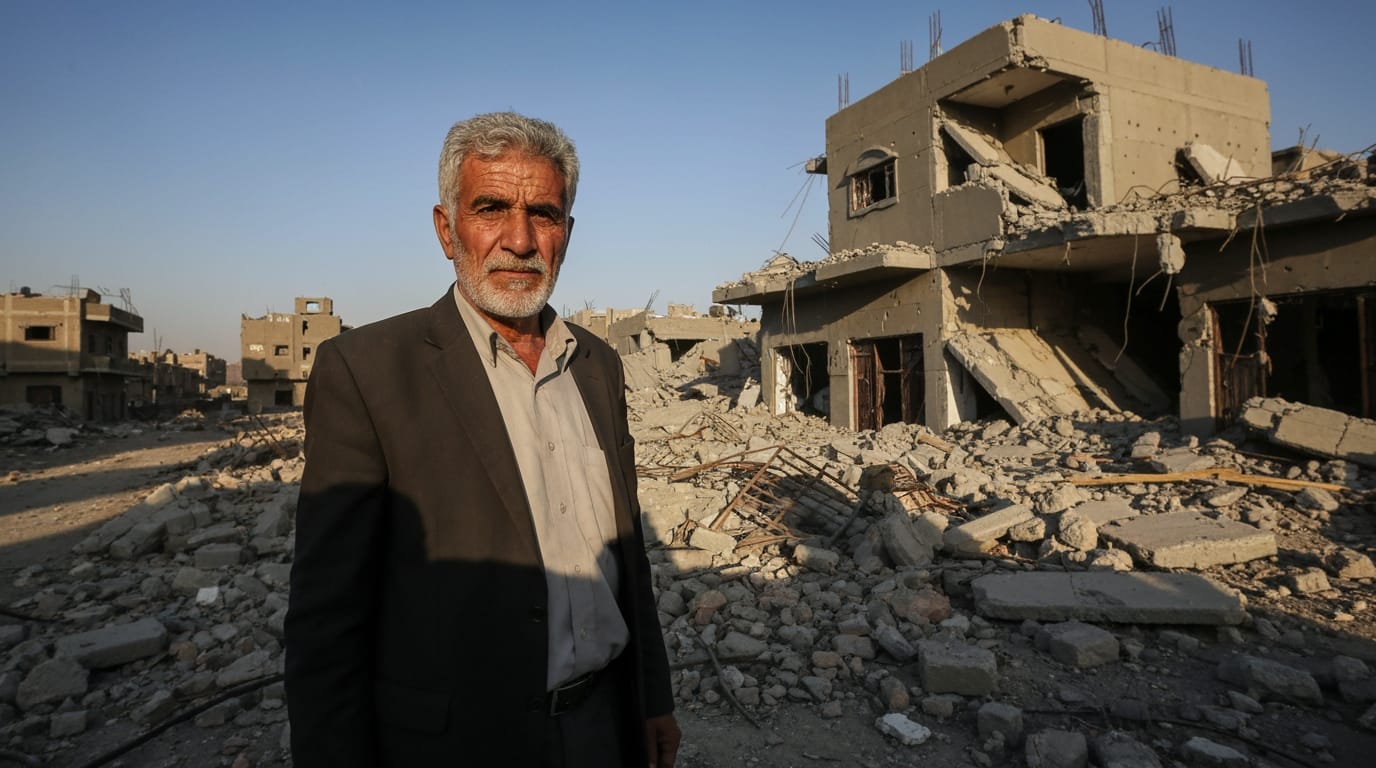
The human cost of the conflict has been devastating. Reports indicate over 5,000 civilians have been killed across the region, including approximately 3,375 in Iran and more than 2,290 in Lebanon, alongside casualties in Israel and Gulf Arab states. Millions have been displaced, with an estimated 3.2 million Iranians internally relocated, largely to Tehran, and over 1.05 million people internally displaced in Lebanon. The war has inflicted widespread destruction on critical infrastructure, including schools, hospitals, and water desalination plants, exacerbating humanitarian crises and straining already limited resources. Environmental damage, resulting from strikes on oil facilities and industrial sites, poses long-term health risks and further degrades a region already facing water scarcity. The United Nations Secretary-General has welcomed the ceasefire extension, urging all parties to embrace diplomacy and refrain from actions that could undermine the fragile peace, with calls for unimpeded humanitarian access to address the urgent needs of affected populations.
As the ceasefire extends into an uncertain future, the Middle East teeters on the brink. While the indefinite pause in hostilities offers a desperately needed opportunity for dialogue, the underlying issues—Iran's nuclear program, regional power dynamics, and the U.S. blockade—remain unresolved. The coming weeks will test the resolve of all parties to prioritize diplomacy over military action, as millions anxiously await whether this extension will pave the way for a genuine peace or merely serve as a temporary lull before renewed conflict.


