Xinjiang Whistleblower's Deportation Halted, Asylum Battle Continues
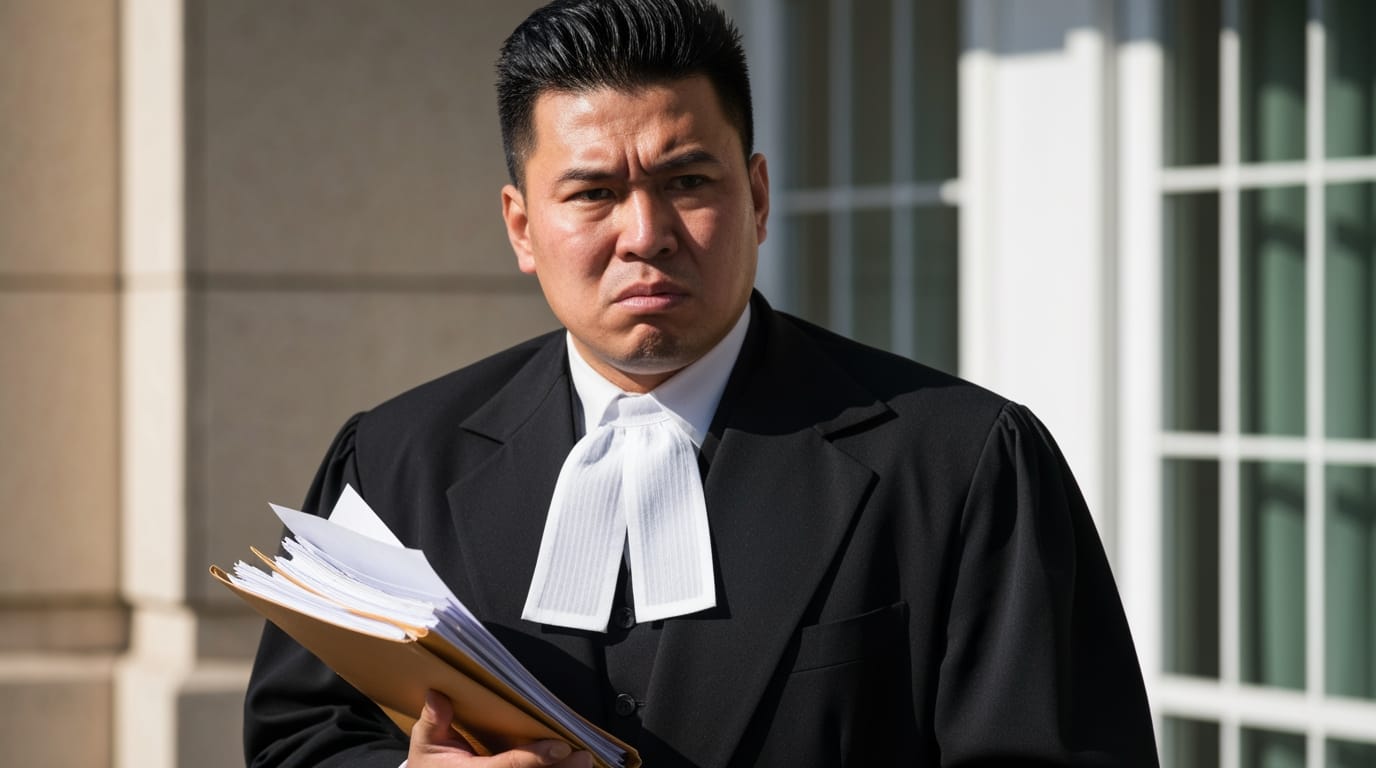
NEW YORK – A Chinese national who bravely exposed the existence of detention camps in China's Xinjiang region recently saw a U.S. government plan to deport him to Uganda withdrawn, following widespread outcry from human rights advocates and lawmakers. Heng Guan, 38, remains in U.S. immigration detention, however, as his long-pending asylum case proceeds. The high-profile situation underscores the complex challenges faced by whistleblowers who reveal human rights abuses and the international community's responsibility to protect them.
A Perilous Quest for Truth in Xinjiang
Heng Guan's journey into the spotlight began in October 2020, when he embarked on a dangerous mission within China's Xinjiang Uyghur Autonomous Region. Armed with a telephoto camera, Guan covertly filmed the exteriors of facilities that satellite analysis had identified as potential detention centers. His footage captured images of guard towers, high walls, and barbed wire, with some sites displaying slogans such as "reform through labor, reform through culture". This ground-level documentation, released in October 2021, provided crucial visual confirmation for satellite imagery and became a pivotal piece of evidence for a Pulitzer Prize-winning investigation by BuzzFeed News into China's extensive mass detention system. The evidence offered a rare glimpse into a region where independent access is severely restricted and human rights organizations have documented widespread abuses against Uyghurs and other Turkic Muslim minorities.
Recognizing the immense personal risk involved with his revelations, Guan fled China in 2021. His escape involved a journey through Ecuador, culminating in a 23-hour solo voyage in an inflatable boat from the Bahamas to Florida. Upon reaching the United States, Guan applied for asylum, obtained a valid work permit, and reportedly lived openly while his case was under review. His actions provided critical corroborating evidence at a time when the U.S. government, under the previous administration, had formally declared China's treatment of Uyghurs as genocide.
Detention and the Looming Threat of Refoulement
Guan's precarious situation in the U.S. took a critical turn in August 2025 when he was detained by U.S. Immigration and Customs Enforcement (ICE) during a raid on his upstate New York residence. Although the raid initially targeted his roommate, Guan was also taken into custody and has since been held at Broome County Jail.
The prospect of his deportation drew immediate alarm from human rights organizations and legal experts. At a court hearing in December, government attorneys proposed sending Guan to Uganda. This suggestion ignited significant concern due to Uganda's close economic and defense ties with Beijing, leading many to fear that deportation to Uganda would be tantamount to an indirect rendition to China. Critics argued that such a move would violate the principle of non-refoulement, a cornerstone of international refugee law, which prohibits returning individuals to a country where they face a real risk of persecution, torture, or other irreparable harm. China is a signatory to the 1951 Refugee Convention, which enshrines this principle, though its adherence to these obligations has been questioned by international bodies.
A Reversal Amidst International Pressure
The proposal to deport Guan to Uganda sparked a rapid and forceful condemnation from a broad coalition of advocates. Human rights groups, including Human Rights in China and the World Uyghur Congress, voiced urgent alarms, stressing the severe danger Guan would face if returned to China. His lawyer warned that Guan would "certainly face a very severe prison sentence," with risks including torture, imprisonment, or enforced disappearance. Reports indicate that Guan's family members in China have already faced interrogation and harassment by security authorities since January 2022, underscoring the retaliatory nature of the Chinese state against those perceived as disloyal.
Members of the U.S. Congress also weighed in, with Rep. Raja Krishnamoorthi, a leading Democrat on the House Select Committee on the Chinese Communist Party, urging the Department of Homeland Security (DHS) to grant Guan asylum. The congressional Tom Lantos Human Rights Commission publicly stated that Guan "should be given every opportunity to stay in a place of refuge".
In response to this mounting pressure, the Department of Homeland Security reversed course. On December 19, Guan's legal team received a letter from DHS confirming the withdrawal of the request to remove him to Uganda. This decision was hailed as a significant victory for human rights and a testament to the power of international advocacy.
The Broader Implications for Whistleblowers and Human Rights
While the immediate threat of deportation to Uganda has been averted, Guan Heng's legal battle is far from over. He remains in ICE custody, with his legal team actively working to secure his release on bond. His asylum case, originally filed in October 2021, is still pending and could take years to resolve.
Guan's case has become a critical test for how the United States treats individuals who expose mass atrocities and human rights violations abroad. Advocates warn that deporting a whistleblower of Guan's caliber would send a "devastating message" globally, potentially discouraging others from coming forward with crucial evidence against authoritarian regimes. The irony of a situation where an individual whose testimony directly informed U.S. foreign policy on Xinjiang could face expulsion has not been lost on observers.
The ordeal highlights the precarious position of those who dare to challenge powerful states, even when their actions align with international human rights priorities. As Guan's fight for asylum continues, his case will undoubtedly remain a focal point for human rights organizations and a barometer of the U.S.'s commitment to protecting those who risk everything for truth and justice.


