A Bridge Forged in Tragedy: The Enduring Paradox of German-Israeli Relations
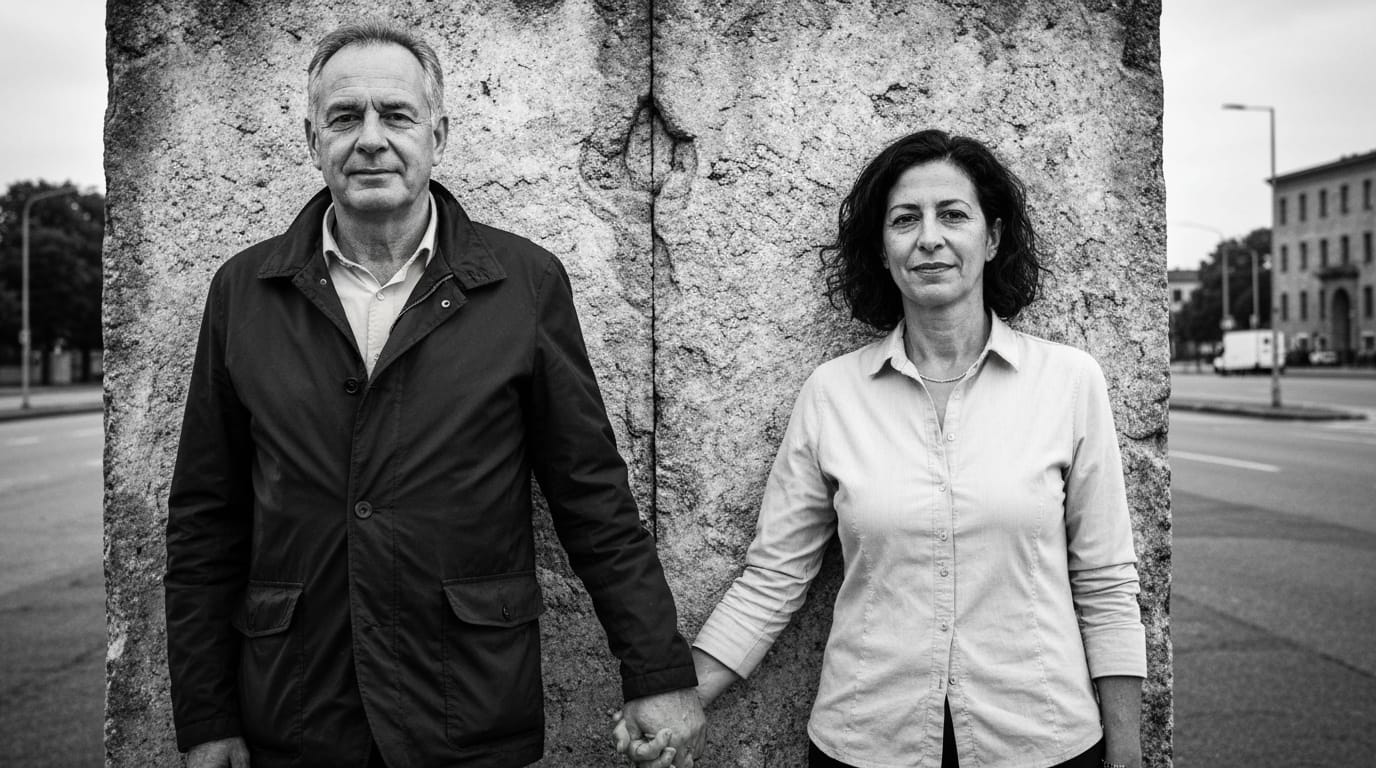
In the annals of international diplomacy, few relationships defy historical gravity as profoundly as that between Germany and Israel. Born from the unfathomable depths of the Holocaust, a cataclysm that saw the systematic murder of six million Jews by Nazi Germany, this bilateral bond has evolved from a morally charged necessity into a robust, albeit complex, strategic partnership. It is a relationship often described as "unique" or "special," one constantly navigating the indelible imprint of the past while striving to build a future rooted in reconciliation, shared interests, and a deep, if sometimes strained, commitment to each other's security and existence.
From the Ashes of Atrocity: The Dawn of a Dialogue
The initial steps towards any form of interaction between the nascent State of Israel, founded in 1948, and post-war West Germany were fraught with immense moral and emotional hurdles. For many Holocaust survivors and Israelis, the idea of engaging with the perpetrator nation was unthinkable. However, a pragmatic need for reparations and a moral imperative for Germany to acknowledge its guilt began to pave the way. In September 1951, West German Chancellor Konrad Adenauer publicly accepted responsibility for the "unspeakable crimes" committed in the name of the German people, pledging "moral and material reparations." This pivotal acknowledgment laid the groundwork for what would become the Luxembourg Agreement, signed on September 10, 1952.
Under this groundbreaking agreement, West Germany committed to paying Israel and Jewish organizations substantial sums to aid in the integration of Holocaust survivors and compensate victims for their losses. The accord, which stipulated the payment of 3 billion marks to Israel over 14 years and an additional 450 million marks to the World Jewish Congress, was met with fierce opposition and intense debate in both countries. In Israel, the Knesset narrowly approved the deal by a vote of 61 to 50, reflecting the profound internal struggle over accepting funds from Germany. Despite the controversy, the reparations proved crucial for Israel's fledgling economy and the rehabilitation of its new citizens. Early non-official contacts also emerged, with individuals like Protestant pastor Hermann Maas becoming the first German officially invited to Israel in 1950, a symbolic gesture of early reconciliation efforts.
Forging Formal Ties: Bridging the Unthinkable Divide
Despite the critical financial assistance provided through the Luxembourg Agreement, it took another 13 years for full diplomatic relations to be established. Key meetings, such as the one between Chancellor Adenauer and Israeli Prime Minister David Ben-Gurion in New York in March 1960, were instrumental in paving the way for formal recognition. Finally, on May 12, 1965, West Germany and Israel formally established diplomatic relations, marking a historic milestone just two decades after the end of the Shoah. This step was particularly challenging, as deep mistrust of Germans persisted among many Jewish communities worldwide and within Israel. Asher Ben-Natan became Israel's first ambassador to Germany, and Rolf Pauls became Germany's first ambassador to Israel. East Germany, in contrast to its western counterpart, maintained an anti-Israel, Arab-friendly foreign policy and never materialized relations with Israel, largely influenced by Cold War dynamics.
The establishment of relations initiated a new era of dialogue and cooperation, marked by regular mutual state visits. In 1973, Willy Brandt became the first German Chancellor to visit Israel, describing the "normal relations [that] are very special in nature." This period saw the gradual expansion of ties beyond politics, into economic, scientific, and cultural spheres.
A Multifaceted Partnership: Beyond the Shadow of History
Over the subsequent decades, the German-Israeli relationship matured into a multifaceted partnership encompassing a wide array of cooperation areas. Military cooperation, initially shrouded in secrecy, became a cornerstone of the bond. From 1959 to 1967, West Germany was a significant supplier of military equipment to Israel. Today, this cooperation includes Germany supplying Israel with Dolphin-class submarines and Israel providing Germany with the Spike Anti-Tank Missile. Recent years have seen an acceleration in defense cooperation, notably with Germany acquiring the Israeli Arrow 3 missile defense system, a deal valued at approximately $3.6 billion and marking the largest defense export deal in Israel's history. Germany also utilizes Israeli-designed Heron drones and conducts joint military exercises. This robust security partnership is underpinned by Germany's unwavering commitment to Israel's security, often referred to as its "Staatsräson" (reason of state) – a principle affirmed by successive German Chancellors, including Angela Merkel and Olaf Scholz.
Beyond security, strong ties have developed in culture, science, and education. Initiatives such as the Minerva Society and the German-Israel Foundation for Scientific Research and Development (GIF), established in 1986, foster extensive scientific relations and academic collaborations. Youth exchange programs, which began as early as the mid-1950s, play a crucial role in bridging generations and promoting mutual understanding. Organizations like the Coordination Center for German-Israeli Youth Exchange (ConAct) support hundreds of such programs annually, facilitating interaction between young Germans and Israelis. The Bertelsmann Stiftung also runs a German-Israeli Young Leaders Exchange program, aimed at fostering dialogue among future leaders. Economic ties are also substantial, with Germany being Israel's most important economic partner in the EU, with bilateral trade reaching $8.94 billion in 2022.
Navigating Contemporary Currents: Challenges and Enduring Commitment
Despite the depth of their cooperation, the German-Israeli relationship is not without its contemporary challenges. Divergent perspectives on the Israeli-Palestinian conflict, particularly regarding Israeli settlements and military operations, have occasionally strained ties. For example, Germany's support for the Iran nuclear deal has been a point of concern for Jerusalem. The rise of far-right parties in Germany, such as the Alternative for Germany (AfD), while admiring Israel for its security achievements, also presents complexities given its stance on immigration and the potential for a new wave of antisemitism. Antisemitism remains a serious concern in Germany, leading to the appointment of an antisemitism commissioner and parliamentary resolutions condemning the Boycott, Divestment, and Sanctions (BDS) movement against Israel.
The events of October 7, 2023, and the subsequent war in Gaza have significantly impacted German-Israeli relations, prompting renewed debates in Germany about its foreign policy and the scope of its "Staatsräson." While Germany has reaffirmed its unwavering solidarity with Israel and its right to exist, the humanitarian crisis in Gaza has presented a moral dilemma for Berlin, balancing its commitment to Israel with adherence to international law and human rights. Recent developments, including Chancellor Friedrich Merz's announcement of a potential arms embargo on offensive weapons that could be used in Gaza, signal a sharper downturn in relations amidst growing international scrutiny of Israel's actions. Despite these tensions, civil society exchanges and efforts to foster dialogue continue, emphasizing the deep interconnectedness of the two societies.
A Model of Reconciliation and a Work in Progress
The German-Israeli relationship stands as an extraordinary testament to reconciliation, demonstrating how two nations can forge a unique bond from the ashes of an unspeakable past. From the initial, difficult steps of reparations to the establishment of diplomatic relations and the subsequent growth of extensive cooperation in security, science, culture, and economy, the journey has been one of continuous evolution. It is a friendship "based on shared beliefs and a combination of historical perspectives," often referred to as a "special relationship" that combines the "darkness of the Holocaust with the light that had carried the two countries over the abyss."
This bond remains profoundly influenced by Germany's historical responsibility for the Shoah and its unwavering commitment to Israel's right to exist and security. While contemporary challenges, shifting political landscapes, and differing views on regional conflicts inevitably introduce complexities, the foundational pillars of remembrance, reconciliation, and mutual strategic importance continue to underpin this unconventional yet enduring alliance. The German-Israeli relationship, therefore, serves not only as a profound historical achievement but also as an ongoing work in progress, requiring continuous dialogue, empathy, and commitment from both sides to navigate its unique path forward.


