A Rivalry Forged in Fire: England and Argentina Set for World Cup Semifinal Showdown
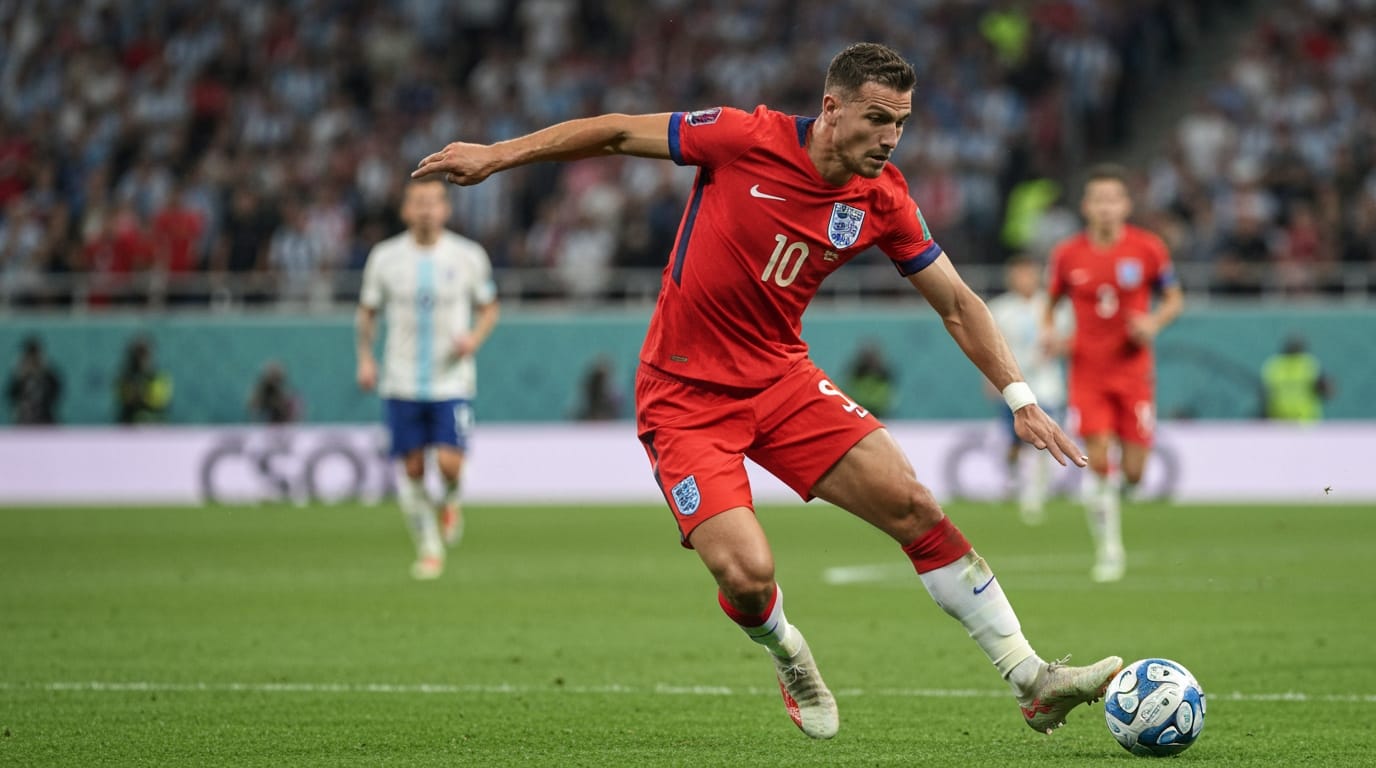
ATLANTA, Georgia – Decades of intense rivalry, steeped in controversial moments and geopolitical undercurrents, will culminate Wednesday as England and Argentina prepare to clash in a FIFA World Cup semifinal, marking their first encounter in the tournament in 24 years and their first overall in 21 years. This intercontinental fixture, considered one of the most hostile in global football, transcends mere sport, embodying a complex tapestry of national pride, historical grievances, and unforgettable drama that has captivated fans across generations. The stage is set at Mercedes-Benz Stadium, where both nations will vie not just for a place in the final, but also to write the next chapter in a saga defined by heroes, villains, and the enduring passion of their supporters.
The Genesis of a Bitter Feud: 1966 and Beyond
The seeds of the England-Argentina rivalry were sown long before their most infamous clashes, with their first World Cup meeting occurring in 1962, a 3-1 victory for England in the group stage that saw Argentina eliminated from the tournament. However, the animosity truly ignited four years later during the 1966 World Cup quarter-finals, hosted and ultimately won by England. In a match still referred to as "the theft of the century" ("el robo del siglo") in Argentina, England secured a narrow 1-0 victory with a Geoff Hurst goal that Argentinians controversially claimed was offside.
The match was particularly notable for the contentious sending-off of Argentina's captain, Antonio Rattín. After receiving a second caution, Rattín refused to leave the pitch, arguing with German referee Rudolf Kreitlein, who spoke no Spanish. His eventual escort off the field by police, and his perceived disrespect, infuriated the English crowd. England manager Alf Ramsey further fanned the flames post-match by preventing his players from exchanging shirts and notoriously describing the Argentine team's conduct as "animalistic," an insult that continues to resonate in Argentina. This incident, alongside others, also played a role in the subsequent introduction of yellow and red cards to football.
The Hand of God and a Goal for the Ages: Mexico 1986
The rivalry reached its most potent and politically charged peak at the 1986 World Cup quarter-finals in Mexico, just four years after the Falklands War between Argentina and the United Kingdom. The conflict, which resulted in significant casualties on both sides, infused the match with a deeply nationalistic fervor, particularly for Argentina, which had lost the war.
Diego Maradona, Argentina's iconic number 10, etched his name into football history with two legendary goals. The first, in the 51st minute, saw him punch the ball into the net over England goalkeeper Peter Shilton, an illegal act unseen by Tunisian referee Ali Bin Nasser. Maradona famously described this as "a little with the head of Maradona and a little with the hand of God," leading to the goal's enduring moniker. Just four minutes later, Maradona scored a breathtaking solo effort, dribbling past five English players from his own half before slotting the ball past Shilton, a goal widely recognized as the "Goal of the Century."
Argentina won the match 2-1, with Gary Lineker scoring a late consolation for England. Maradona later admitted that the victory felt like "revenge" for the Falklands War, stating that "More than defeating a football team, it was defeating a country." This match solidified the rivalry as one transcending sport, deeply intertwined with national identity and historical events.
Modern Chapters: Red Cards, Redemption, and Renewal
The late 1990s and early 2000s added further dramatic chapters to the rivalry. The 1998 World Cup Round of 16 clash in France was another epic encounter, ending in a 2-2 draw before Argentina prevailed 4-3 in a penalty shootout. The game featured a stunning solo goal from an 18-year-old Michael Owen and a controversial red card for England's David Beckham, who was dismissed for kicking out at Diego Simeone after being fouled. Beckham became a national scapegoat in England, facing intense public criticism and even death threats.
Four years later, in the group stage of the 2002 World Cup in Japan and South Korea, Beckham found his redemption. England secured a crucial 1-0 victory, with Beckham converting a penalty after Michael Owen was fouled by Mauricio Pochettino. This win was instrumental in England advancing to the knockout stages, while pre-tournament favorites Argentina made a surprise early exit, finishing third in their group. The teams last met in a friendly match in 2005, where England won 3-2, with Michael Owen scoring two late headers.
Beyond the Pitch: A Cultural Phenomenon
The England-Argentina football rivalry is unique for its intercontinental nature and the profound emotional investment it draws from both nations. Unlike many rivalries rooted in geographical proximity, this one is deeply shaped by historical moments and cultural narratives, most notably the Falklands War. Argentine fans continue to evoke "Las Malvinas" in their chants, connecting the conflict directly to their footballing identity and success.
The rivalry is also underpinned by differing footballing philosophies. While English football has often been characterized by discipline, physicality, and methodical play, Argentine football has celebrated an individualistic, skillful, and restless "creole" style. These contrasting approaches, coupled with the dramatic encounters on the pitch, have cemented the fixture's status as a global spectacle.
As the two teams prepare to meet again, the historical weight of this rivalry hangs heavy, creating an atmosphere of heightened anticipation. For many players born long after the most controversial matches, the legacy of this feud is still palpable, influencing fan sentiment and adding an extra layer of intensity to every pass and tackle. With Lionel Messi, who has never faced England in his illustrious career, leading Argentina, and a new generation of English talent aiming to make their own history, the latest chapter promises to be as enthralling and emotionally charged as those that came before. The world watches as this storied rivalry renews itself on the grandest stage, proving that some sporting contests are truly more than just a game.