Beyond the Pitch: How the World Cup Scores for Global Mental Health
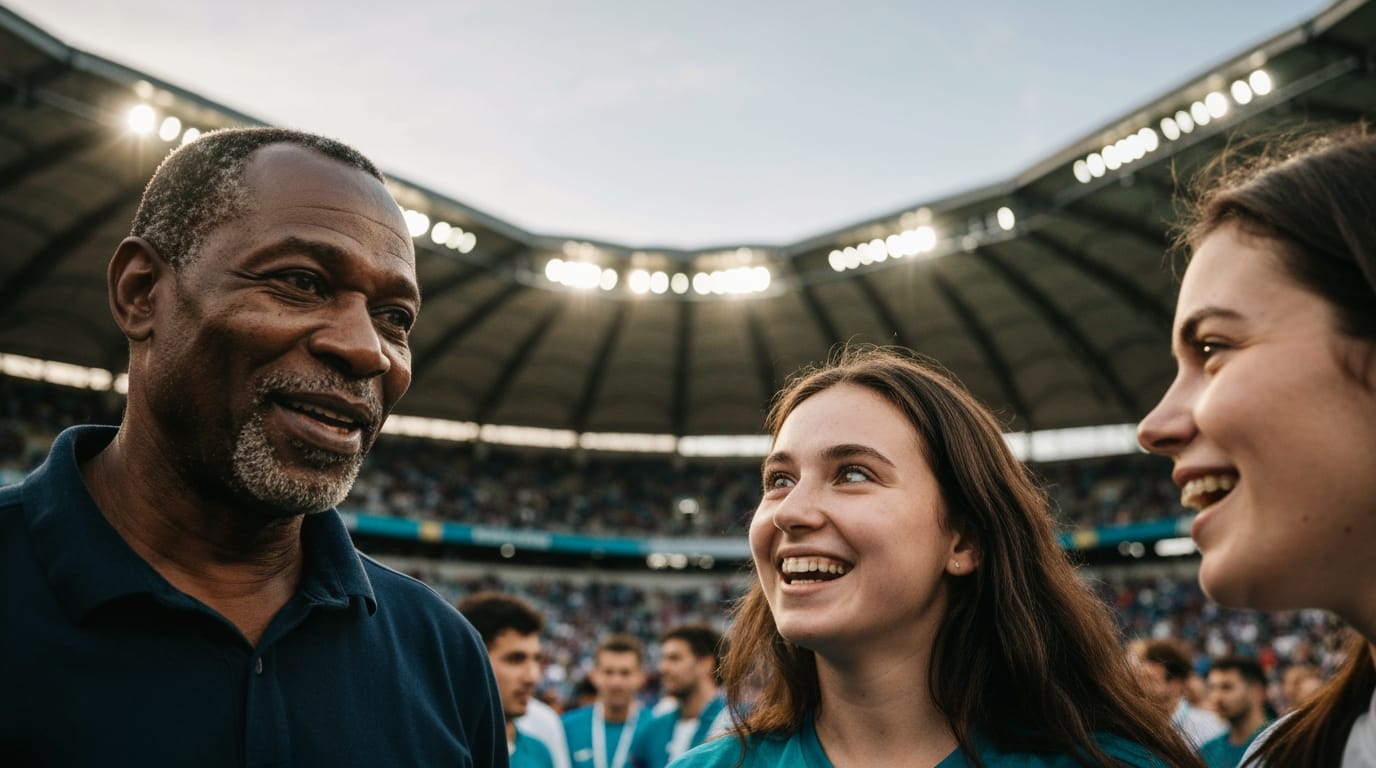
The roar of the crowd, the dramatic highs, and the agonizing lows of the FIFA World Cup are universally recognized as hallmarks of the world's most popular sporting event. Yet, beyond the spectacle of athletic prowess and national competition, a growing body of research indicates that the World Cup offers profound, often overlooked, benefits for collective mental well-being. Far from being mere entertainment, this global tournament acts as a powerful catalyst for social connection, emotional release, and a much-needed respite from daily stressors, proving that the beautiful game can indeed play a vital role in fostering healthier minds worldwide.
The Unifying Power of Shared Experience
At its core, the World Cup is a communal event that taps into a fundamental human need for belonging. When billions of people tune in, whether from bustling stadiums, local pubs, or living rooms, they engage in a shared experience that transcends geographical, linguistic, and cultural divides. This collective participation fosters a powerful sense of community, significantly reducing feelings of isolation and loneliness. Research consistently shows that individuals who follow sports, especially alongside others, report higher life satisfaction and less loneliness. Columbia psychologist Michael Carollo, PsyD, notes that "shared experiences like watching sports can help people feel more connected—and connection is a key part of both mental and physical health."
This phenomenon, often described as "collective effervescence," creates an immediate, shared emotional state, allowing individuals to feel part of something larger than themselves. For those grappling with loneliness, social anxiety, or a general sense of disconnection, moments like the World Cup provide a low-pressure avenue for social bonding. Identification with a team also contributes to a "community self," a crucial component of a healthy self-identity, offering social and emotional support from fellow fans. This sense of belonging is a powerful protective factor against depression and anxiety, promoting overall well-being. A 2024 study in Frontiers in Psychology highlighted this by finding that watching sports leads to more social interaction, enriching emotional experiences and boosting subjective well-being.
A Welcome Respite: Escapism and Emotional Release
Life's daily pressures can be relentless, and the World Cup offers a valuable and often essential break from these routine stressors. For several weeks, the focus shifts from work, finances, and personal worries to the unfolding drama on the pitch. This provides a vital form of mental relief, acting as a healthy distraction that lowers tension and gives the mind a genuine rest.
Moreover, the intensity of World Cup matches provides a socially acceptable outlet for a wide spectrum of emotions. From the euphoria of a last-minute goal to the heartbreak of a penalty shootout, the tournament encourages a full range of emotional expression. Yelling at the television, celebrating victories, or commiserating over losses can serve as a healthy form of catharsis and stress relief, helping to regulate stress levels and improve heart health. This emotional rollercoaster, while sometimes intense, ultimately offers a space for fans to process feelings collectively, enhancing their emotional well-being. For many, particularly men, football can also provide a common language to connect with others, creating a safe space where shared focus can naturally lead to deeper conversations about life beyond the game.
Forging Identity and Resilience
Beyond personal well-being, the World Cup plays a significant role in fostering national identity and social cohesion. Supporting a national team instills a sense of pride and unity that can transcend internal divisions. Research suggests that mega sporting events can reduce the importance of ethnic identity in favor of national identity, bringing diverse populations together under a shared banner. For instance, a study published in Ethnic identity over national identity found that after the 2010 FIFA World Cup, the importance of ethnic identity among South African residents decreased significantly. Another study examining African countries noted that national team victories were associated with people being less likely to prioritize ethnic identity over national identity and more likely to trust neighbors, including those from different ethnicities. This can be particularly impactful in countries where national identity is not always strong, demonstrating how sports can act as a force for good, especially when teams are ethnically diverse, offering a "role-modeling effect" of cooperation and achievement.
Furthermore, the anticipation and engagement inherent in following a team provide cognitive benefits. Watching complex games can be an exercise for the brain, with scientists observing increased neural activity in spectators during high-energy sports. Studies have indicated improved information comprehension, better organizational skills, and enhanced neural connections related to linguistic abilities in individuals who watch sports. The journey of a team through the tournament, with its inevitable ups and downs, also cultivates resilience in fans. The ability to bounce back from disappointment and continue to support a team mirrors the mental fortitude required in everyday life, reinforcing that "fandom has the capability to help individuals meet basic psychological needs, like the need to belong."
Beyond the Spectator: Inspiring Well-being
While primarily a spectator event, the World Cup can subtly encourage healthier habits. Witnessing elite athletes perform at their peak can inspire fans to increase their own physical activity and embrace more active routines. The tournament also presents opportunities for fans to actively manage their mental health. Tips for fans during intense tournaments include making it a social event by watching with friends and family, staying active during halftime, and practicing stress management techniques if a game becomes too overwhelming.
A landmark 2024 study published in BMC Psychology found a significant positive correlation between involvement in the World Cup, even as a spectator, and "flourishing," a comprehensive indicator of mental health. This was attributed to the satisfaction of three core psychological needs: relatedness (feeling connected), autonomy (feeling in control), and competence (feeling effective). This research underscores that the benefits extend beyond fleeting moments of excitement to contribute to sustained psychological well-being. While excessive emotional investment can lead to stress or disappointment, maintaining perspective and focusing on the shared experience mitigates these risks, ensuring the World Cup remains a net positive for mental health.
In essence, the World Cup is far more than a series of football matches; it is a global phenomenon with tangible positive impacts on mental health. By fostering social bonds, offering crucial emotional outlets, bolstering national identity, and even subtly inspiring healthier lifestyles, the tournament serves as a powerful reminder of how shared human experiences, steeped in passion and collective energy, can profoundly enrich our psychological landscape. It's a testament to the enduring power of sport to unite, heal, and uplift the human spirit.