Germany's Football Crisis Deepens: Three Consecutive World Cup Failures Signal Urgent Need for Reform
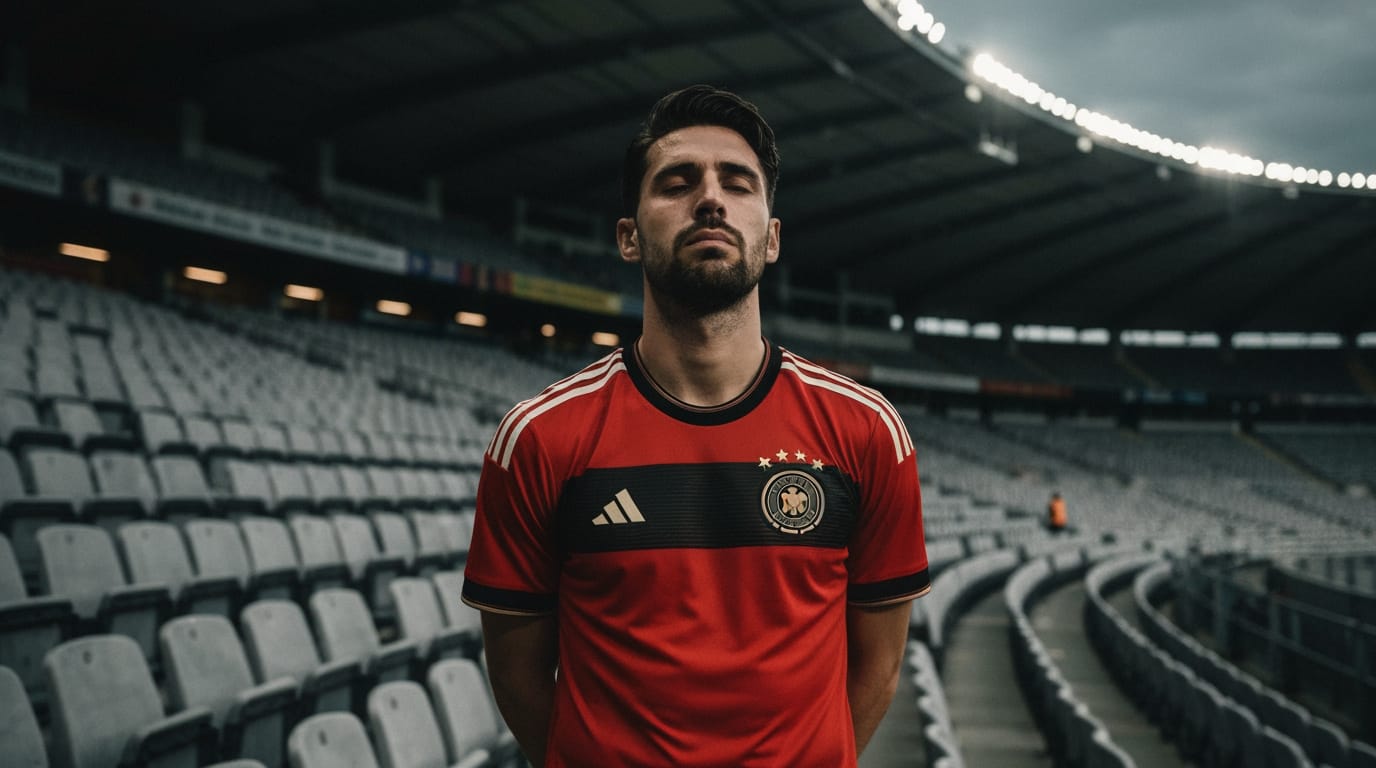
Germany, a nation synonymous with footballing excellence and four-time World Cup champions, finds itself in an unprecedented crisis following its third consecutive early exit from the FIFA World Cup. The latest disappointment, a round of 32 penalty shootout loss to Paraguay in the 2026 tournament, has intensified calls for a fundamental overhaul of German football, from its tactical philosophy to its youth development structures and internal federation dynamics. What was once an almost unshakeable aura of tournament reliability has evaporated, replaced by a growing sense of identity crisis and a pressing demand for radical change.
A Lingering Nightmare: The Unraveling of a Football Powerhouse
The recent elimination marks a dark and historic chapter for Die Mannschaft. After lifting the trophy in 2014, Germany crashed out in the group stages of the 2018 World Cup in Russia, a performance widely considered a shock at the time. This was followed by another group stage exit in Qatar in 2022, setting a troubling precedent. The 2026 World Cup in North America extended this painful pattern, with Germany failing to progress beyond the round of 32 after a 1-1 draw against Paraguay culminated in a 4-3 penalty shootout defeat. This string of failures is unprecedented for a nation of Germany's footballing pedigree, a stark contrast to their previous record of consistent deep runs in major tournaments. Before the Paraguay match, Germany had never lost a World Cup penalty shootout, having won all four of their previous attempts and missing only one of 18 penalty kicks. The latest loss shattered this formidable record, with German players missing three times against Paraguay.
Tactical Drift and an Identity Crisis on the Pitch
A significant contributing factor to Germany's recent struggles has been a perceived lack of clear tactical identity and a tendency towards inconsistent playing styles. Critics suggest the team has wavered between dominant possession-based football and fast-transition approaches, failing to establish a stable and effective system. This tactical ambiguity has often led to a disconnect between midfield and attack, with a critical loss of control in key matches.
Coaching decisions have also come under intense scrutiny. Under Julian Nagelsmann, the 2026 squad appeared to experiment excessively, often lacking the conviction and cohesion seen in past German teams. Nagelsmann's decisions, such as recalling 40-year-old Manuel Neuer and questionable substitutions, hinted at a struggle to optimize player potential. Former players and analysts have pointed to a structural imbalance, particularly the absence of a natural right-back in the squad and an offensive crowding of central channels, which isolated key creative players. The team's defensive vulnerabilities, including struggles in transitions and exposing gaps in the backline, remained a recurring issue, with Germany conceding in every match of the 2026 tournament. Furthermore, a lack of attacking efficiency, despite creating chances, has been a consistent problem, with the team often missing a reliable striker to convert opportunities.
Internal Frictions and Player Underperformance
Beyond the tactical shortcomings, issues within the squad itself have reportedly contributed to the team's downfall. The underperformance of several key players, including captain Joshua Kimmich and promising talents like Florian Wirtz and a returning-from-injury Jamal Musiala, has been highlighted. There have also been concerning reports of internal cracks and a lack of unity within the national team camp. A Sky Sports Germany reporter revealed that some star players were dissatisfied with the team's physical therapy and management system, reportedly seeking external physical therapists and creating a "medical channel" separate from the official team staff. This suggests a breakdown in trust and a fractured atmosphere.
The concept of "scapegoating" has also resurfaced, with criticisms sometimes directed at players from immigrant backgrounds, echoing the controversies surrounding Mesut Ozil in 2018. In the wake of the 2026 defeat, there were attempts to blame Deniz Undav, who has Kurdish and Yazidi heritage, for the loss to Paraguay, though German fans largely directed their frustration at Coach Nagelsmann instead. This pattern points to deeper societal and systemic issues that transcend the football pitch.
A Broken Youth System and Calls for Structural Reform
A significant part of Germany's historical success was built on a robust and innovative youth development system. However, there are growing concerns that this system is no longer producing world-class talent at the necessary rate. Critics argue that the current youth academies (NLZ) are fostering "system players" who lack individual creativity, dribbling skills, and the ability to express themselves freely on the pitch. This contrasts with earlier reforms initiated by the German Football Federation (DFB) at the turn of the century, which focused on technical ability and investing in youth academies, ultimately leading to the 2014 World Cup triumph.
The Bundesliga's increasing reliance on foreign talent is also seen as a hindrance to the development and playing experience of young German players, often relegating them to U23 teams or loan spells, thereby reducing their learning curve and visibility. Experts argue that the youth centers have failed to adequately prepare players for the demands of modern football and to inspire creativity. Reforms aimed at addressing these issues, such as changes in kids' football formats to prioritize more ball touches and less rigid coaching, are underway but will take time to yield results.
The Path Forward: Jurgen Klopp and a Demand for Deep Change
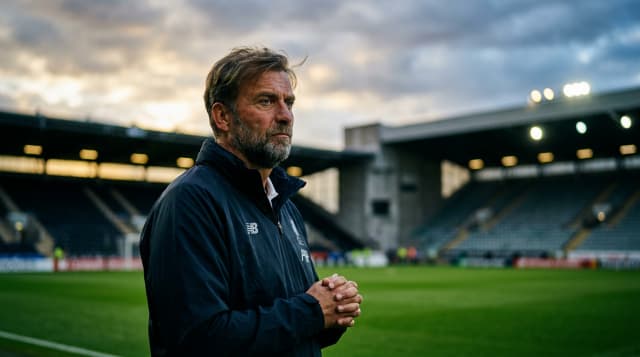
The repeated failures have led to a resounding call for radical, structural change within the DFB. Following the 2026 exit, Julian Nagelsmann departed as national team coach, and the DFB is reportedly looking towards a new era. Lothar Matthaus, a German football legend, has endorsed Jurgen Klopp as the ideal candidate to lead this rebuild, with Klopp reportedly signalling his willingness to take the helm.
However, Matthaus and other pundits caution that a change in coach alone will not suffice. The problems run far deeper than the person in the dugout, requiring a complete overhaul of the DFB's structures, away from protecting officials and towards genuine sporting improvement. The focus must be on re-establishing a clear footballing identity, fostering a new generation of creative and resilient players, and restoring unity and confidence within the national team setup. Only through such comprehensive and difficult reforms can Germany hope to reclaim its position among the elite of international football and overcome its deepening World Cup woes.