A Shifting Hemisphere: The Enduring Legacy of U.S. Influence, Migration, and Evolving Latin American Ties
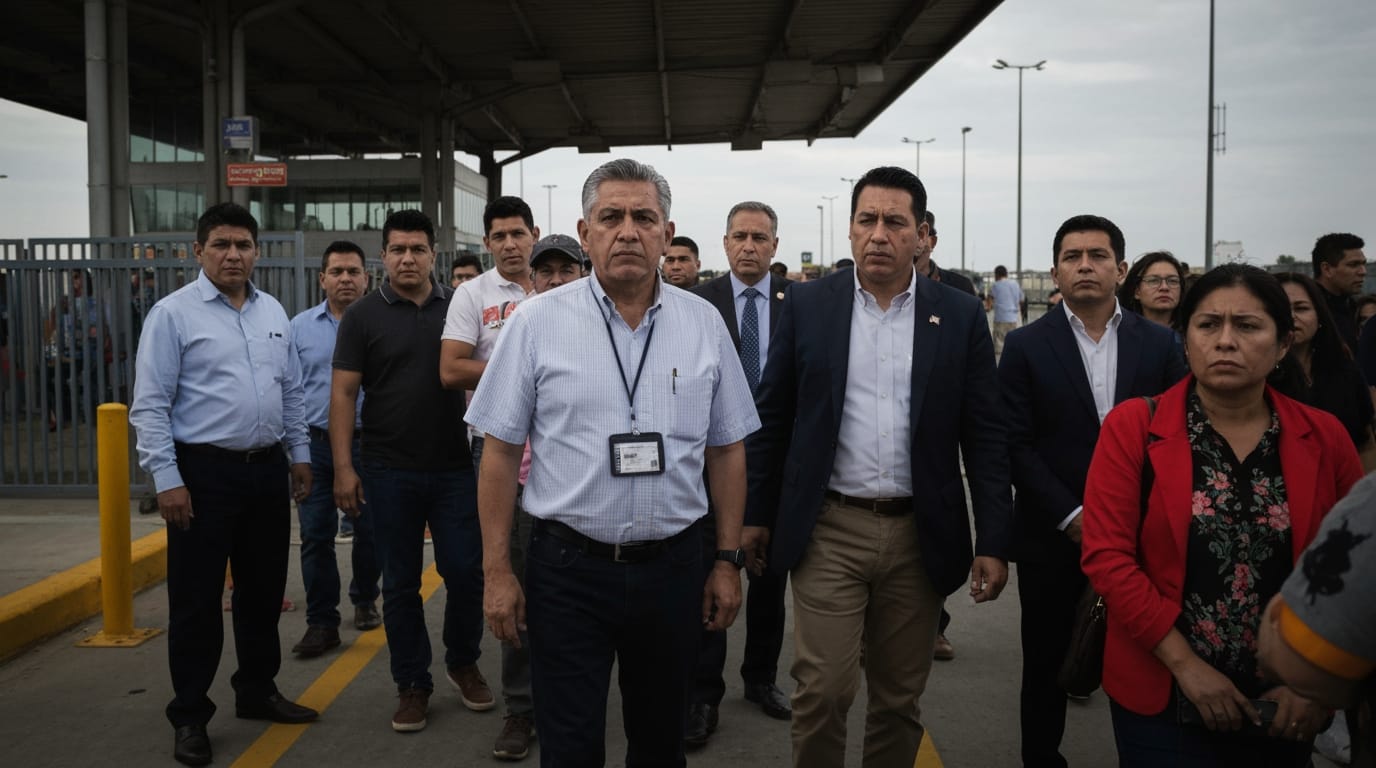
The relationship between the United States and Latin America is currently undergoing a complex evolution, marked by historical doctrines, humanitarian crises, and shifting geopolitical priorities. From the enduring shadow of the Monroe Doctrine to the pressing realities of mass migration and the distinct foreign policy approach of the Trump administration, particularly concerning Venezuela, the dynamics of the Western Hemisphere are being redefined. This intricate interplay highlights a region grappling with its past while navigating a future where traditional alliances are tested and new challenges emerge.
The Two-Century Shadow of the Monroe Doctrine
First articulated by President James Monroe in 1823, the Monroe Doctrine established a foundational principle of U.S. foreign policy: warning European powers against further colonization or intervention in the Western Hemisphere. This declaration aimed to create separate spheres of influence for the Americas and Europe, signifying a break from the autocratic Old World and affirming the newly independent Latin American states. Initially lacking the military might for full enforcement, the doctrine nonetheless became a cornerstone of U.S. policy, gaining significance as the United States grew in power.
Over time, the interpretation and application of the Monroe Doctrine expanded dramatically. The 1904 Roosevelt Corollary, added by President Theodore Roosevelt, asserted the right of the United States to act as an "international police power" in cases of "chronic wrongdoing" by Latin American countries, effectively justifying U.S. intervention in their internal affairs. This shift transformed the doctrine from a defensive warning against European interference into a tool for asserting U.S. influence, leading to prolonged periods of military intervention and strained relations between the "Colossus of the North" and its southern neighbors. The Cold War further saw the doctrine invoked to counter perceived communist and Soviet expansion in the hemisphere, underpinning U.S.-backed regime changes.
More recently, the Trump administration's approach to Latin America has been interpreted by some analysts as a reassertion of the Monroe Doctrine, or "Monroe Doctrine 2.0". This perspective suggests a renewed focus on U.S. control of the Western Hemisphere, characterized by an emphasis on border security, a hard-line stance against certain governments, and a willingness to exert pressure to achieve U.S. objectives.
Migration: A Defining Humanitarian and Geopolitical Crisis
Beyond historical policy, the Western Hemisphere faces an unprecedented migration crisis, driven by a complex web of economic hardship, political instability, and pervasive violence. Natural disasters and U.S.-led economic sanctions have also contributed to these outflows. Latin America and the Caribbean have some of the highest emigration rates in the developing world, with surging numbers primarily driven by poor economic conditions, unemployment, and a lack of basic needs.
The most significant contemporary example is the Venezuelan exodus. Since 2014, over 6.8 million Venezuelans have fled their homeland due to profound political unrest, severe economic decline, hyperinflation, and acute shortages of essential resources like food and medicine. This displacement crisis is one of the largest globally, with the majority—approximately 6.7 million—residing in other Latin American and Caribbean nations. Countries like Colombia, hosting 2.8 million Venezuelan migrants, have seen their social services severely strained by the continuous influx. An estimated 7.6 million people still residing in Venezuela required humanitarian assistance in 2024. The dangerous Darién Gap, a treacherous jungle route between Colombia and Panama, has become a critical and increasingly perilous passage for hundreds of thousands of migrants each year, including a 40% increase in child and adolescent crossings in 2024.
Migration patterns within the Latin American region have also dramatically increased, while migration to North America has seen considerable fluctuations influenced by stricter U.S. immigration regulations. Despite these shifts, the U.S.-Mexico border continues to be a focal point, with a notable increase in migrants from Venezuela, Cuba, and Nicaragua contributing to changing hemispheric migration dynamics.
The Trump Administration's Firm Stance on Venezuela
The Trump administration adopted a particularly hard-line strategy toward Venezuela, profoundly impacting U.S.-Latin American relations. In 2019, the U.S. government ceased recognizing Nicolás Maduro as Venezuela's legitimate president, instead recognizing opposition leader Juan Guaidó as the interim president. Maduro denounced this move as an attempted coup, exacerbating already strained bilateral relations. U.S. policy toward Venezuela during this period included diplomatic isolation, economic sanctions, and significant pressure to compel Maduro to relinquish power.
Tensions escalated further in late 2025, with reports of U.S. maritime strikes against alleged drug-trafficking vessels in the Caribbean, near Venezuela's coast. These operations, which reportedly resulted in numerous deaths, were publicly announced by senior U.S. officials and described by Venezuela as acts of aggression. The Trump administration also made threats of potential ground operations and declared Venezuelan airspace closed, aiming to remove Maduro from power. The U.S. government labeled the Maduro regime a "narcoterror cartel," intensifying its efforts to isolate and destabilize the government. Despite the rhetoric and actions, the Trump administration's "America First" approach to Venezuela, including military pressure and sanctions, was viewed by some as consistent with a long-standing U.S. foreign policy objective of controlling the Western Hemisphere.
Simultaneously, the Trump administration enacted significant changes to U.S. migration policy, prioritizing the curbing of immigration and the accelerated removal of undocumented migrants. Executive orders were signed to strengthen border enforcement, including an expansion of expedited removals and a focus on mass detention and deportation. Policies such as Title 42 and "Remain in Mexico" contributed to these efforts, impacting migrants from across Latin America, including those from Venezuela. These actions, which stripped legal status from hundreds of thousands of immigrants, raised concerns regarding human rights, due process, and the broader implications for regional stability and diplomatic relations. The dramatic increase in expulsions would have profound effects on the Western Hemisphere, potentially reducing remittances, increasing unemployment, and straining the ability of Latin American governments to reintegrate returned citizens.
Shifting Dynamics and Future Outlook
Despite the historical and recent assertions of U.S. influence, the geopolitical landscape in Latin America is visibly shifting. U.S. preeminence in the region is reportedly waning, partly due to the increasing economic and political engagement of external powers such as China, Russia, and Iran. Latin American nations are diversifying their international relationships, challenging traditional U.S. dominance.
Latin American governments, many already contending with sluggish economic growth and high unemployment, face significant challenges in adapting to fluctuating U.S. immigration policies. Mass deportations could create domestic pressures, strain public services, and undermine trust in governments, especially for countries reliant on remittances. Some Latin American leaders have pushed back against U.S. deportation efforts, highlighting the diplomatic complexities and potential for international tension.
Meanwhile, the humanitarian crisis in Venezuela continues unabated, with millions still requiring aid and continued forced displacement. The United States has provided substantial humanitarian aid to Venezuelans both within the country and in host nations, reflecting the ongoing severity of the crisis. The interplay of historical doctrines, the human impact of migration, and the distinct foreign policy approaches of different U.S. administrations continue to shape a dynamic and often turbulent relationship between the United States and its southern neighbors.
Conclusion
The relationship between the United States and Latin America remains a complex tapestry woven with threads of historical doctrine, urgent humanitarian needs, and evolving geopolitical realities. The Monroe Doctrine, in its various interpretations, has long underscored U.S. ambitions in the hemisphere, often leading to interventionist policies that have left a contentious legacy. This historical backdrop now converges with the modern imperative of mass migration, driven by crises like that in Venezuela, profoundly affecting both sending and receiving nations. The Trump administration's firm and often confrontational approach to Venezuela and its stringent immigration policies represent a recent chapter in this intricate narrative, reshaping alliances and humanitarian responses. As Latin American nations increasingly assert their sovereignty and engage with a wider array of global partners, the future of U.S.-Latin America ties will depend on navigating these multifaceted challenges with a keen awareness of historical context, current human suffering, and shifting power dynamics.


