A Week of Green Triumphs: From Vegan Pregnancy Tests to Quantum Leaps in Clean Energy
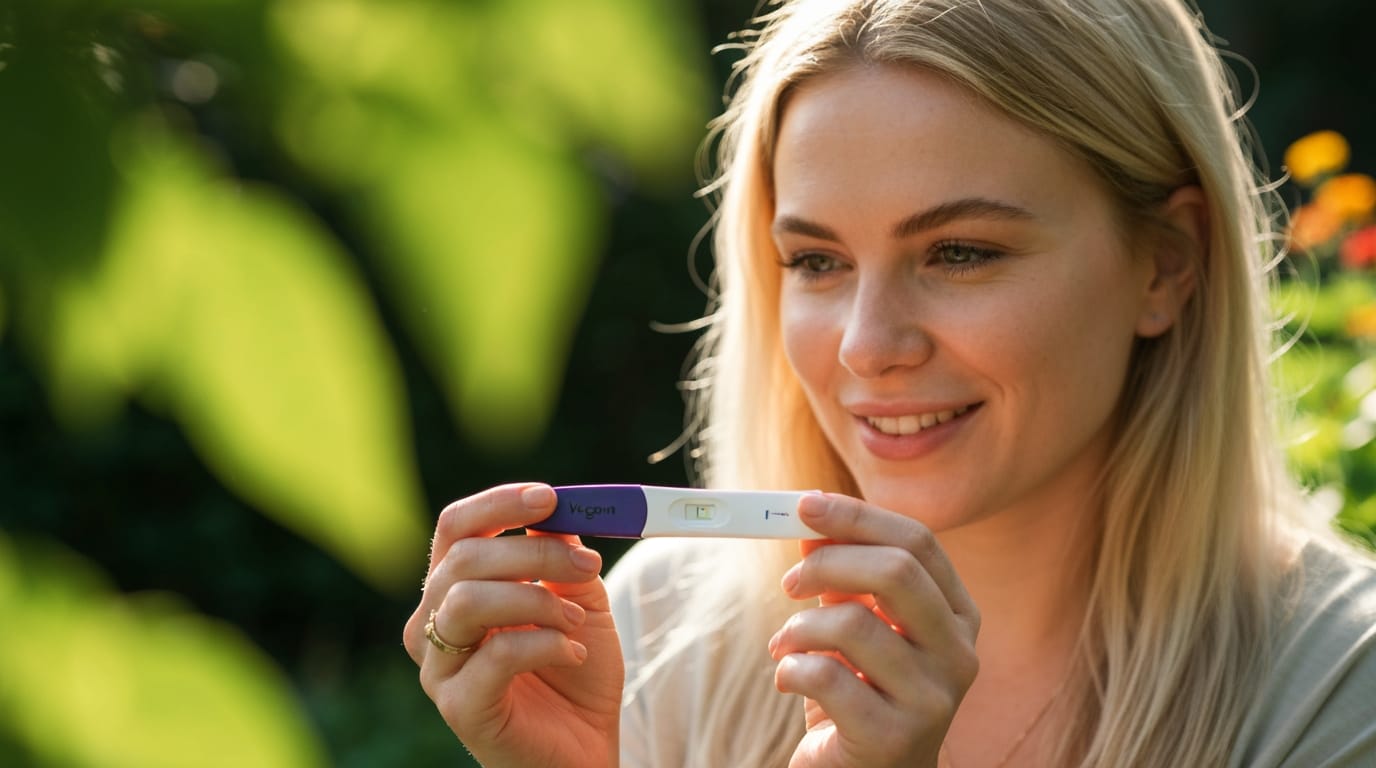
In a remarkable surge of environmental progress, the past week has underscored a growing global commitment to sustainability, revealing a landscape where innovation and policy converge to address pressing ecological challenges. From the advent of truly vegan and eco-conscious pregnancy tests that promise to revolutionize personal health diagnostics, to monumental strides in clean energy technology and protective environmental legislation, the narrative is clear: a greener future is not just aspirational, but actively under construction. This recent wave of advancements signals a pivotal moment, showcasing how diverse sectors are responding with ingenuity and resolve to create a more sustainable planet.
The Evolution of Ethical Diagnostics: Beyond Plastic and Animal Byproducts
The humble pregnancy test, a ubiquitous tool in personal healthcare, has long presented an overlooked environmental and ethical dilemma. Traditional tests contribute millions of tons of single-use plastic waste to landfills annually, with digital versions exacerbating the problem through electronic waste containing hazardous materials. Moreover, a lesser-known fact is that the antibodies crucial for detecting the pregnancy hormone (hCG) in these tests are often derived from animals, raising ethical concerns for many consumers.
This week, the spotlight shines on groundbreaking innovations addressing these very issues. Phaeosynt, a spin-off from Leibniz University Hanover, has introduced a truly vegan and cruelty-free pregnancy test, "hey mela," which meticulously produces antibodies using diatoms, effectively sidestepping animal involvement entirely. This diatom-derived antibody production is not only animal-free but also boasts efficiency and stable quality, with the company planning to utilize recycled paper for the test's casing to further enhance its eco-credentials. This development marks a significant leap, offering a product that is both ethically sound and environmentally responsible, while maintaining accuracy comparable to conventional tests.
Phaeosynt's innovation is part of a broader trend within the medical device industry, which in 2026, is increasingly prioritizing sustainability and circularity. New procurement requirements across global healthcare markets now evaluate manufacturers based on their carbon footprint, raw material sourcing, and end-of-life product planning. Other companies are also making strides in eco-friendly diagnostics: Hoopsy offers a 99% plastic-free, paper-based test made from sustainably sourced cellulose and glass fibers, which is recyclable and over 99.8% accurate. Natalist has introduced strips using 81% less plastic, entirely free of electronic waste, and packaged in 100% recyclable and biodegradable materials, achieving plastic-neutrality in 2022. Okos Diagnostics, with its "Measie Eco-Friendly Pregnancy Test," launched in November 2025, utilizes plant-based polymers for its housing, designed to be biodegradable and currently patent pending in the EU and US. While an earlier pioneer, Lia Diagnostics, introduced an FDA-cleared flushable and biodegradable test made from natural cellulose fibers, its widespread availability has faced challenges. These collective efforts demonstrate a clear trajectory towards more conscientious diagnostic tools, aligning personal health with planetary well-being.
Powering a Greener Tomorrow: Energy and Infrastructure Innovations
Beyond consumer products, significant breakthroughs in clean energy and infrastructure development are charting a course toward a more sustainable global energy landscape. This week brought news of a monumental step in the quest for limitless, clean power: the successful application of quantum computing to advance fusion energy research. Scientists from IBM, Oak Ridge National Laboratory, and Cleveland Clinic have leveraged quantum computers to make progress in solving the critical bottleneck of tritium production, a rare but essential fuel for fusion reactors. This pioneering work, announced on July 9, 2026, could accelerate the realization of fusion power, transforming it from a distant dream into a viable source of energy, and represents a significant victory in the fight against climate change by potentially unlocking nearly unlimited clean energy.
Concurrently, Europe is making substantial progress in decarbonizing its electrical grids through the EU-funded MISSION project. This initiative is developing innovative switchgear technologies that eliminate sulfur hexafluoride (SF6), a potent greenhouse gas with a global warming potential 24,300 times that of CO2. By replacing SF6 with less harmful nitrogen and oxygen mixtures, the project aims to create emission-free power transmission, with pilot installations slated for later in 2026 in France and Norway. This move is crucial for enhancing the environmental footprint of existing and future power infrastructure.
Further bolstering the transition to clean energy, Siemens and FuelCell Energy announced a collaboration this week to expedite the expansion of fuel cell-based power generation. This partnership will focus on integrating electrical infrastructure with fuel cell technologies to deploy scalable, on-site power solutions, particularly for distributed energy systems. The collaboration seeks to shorten deployment timelines, reduce costs, and increase the adoption of these low-emission power sources. These developments underscore a robust trend where renewable power continues to be the most economical source of new electricity in most global markets, further strengthening its competitive advantage over fossil fuels.
Policy, Protection, and Planetary Health
The pursuit of environmental sustainability is also being championed through robust policy decisions and legal victories that are reshaping governance and industrial practices. In a significant win for environmental justice, a court in January 2026 upheld New Jersey's groundbreaking Environmental Justice Law, which prohibits the approval of new pollution sources in communities already burdened by environmental hazards purely on the basis of economic benefits. This ruling sends a powerful message that the health and well-being of vulnerable populations must take precedence over industrial expansion.
Internationally, the protection of vital marine ecosystems received a boost as the Biodiversity Beyond National Jurisdiction (BBNJ) Agreement, commonly known as the High Seas Treaty, officially entered into force in early 2026. After nearly two decades of negotiations, this landmark agreement establishes a framework for creating marine protected areas and regulating human activities in international waters, which comprise over two-thirds of the ocean's surface. This represents a critical step towards safeguarding ocean biodiversity and promoting global ocean governance.
France also made headlines this week by implementing a ban on products containing per- and polyfluoroalkyl substances (PFAS), often referred to as "forever chemicals," in February 2026. This comprehensive ban applies to products where safer alternatives exist, including cosmetics, clothing, and ski wax, and includes mandates for expanded drinking water testing. The move is a direct response to the persistence of PFAS in the environment and their links to severe health issues, including cancer and fertility problems. States within the U.S. are also taking proactive measures; Colorado adopted its first-ever rule to curb landfill air pollution in December 2025, surpassing federal standards by requiring stronger leak-detection monitoring and gas capture systems for major polluters.
Further legal and legislative victories include a federal court's decision in spring 2026 to deny the Trump administration's attempt to halt California's oil and gas health buffer law, which prohibits new drilling within 3,200 feet of sensitive areas like homes and schools. Additionally, the U.S. House of Representatives voted to strip the "Cancer Gag Act" from the Farm Bill, a provision that would have shielded pesticide manufacturers from health-related lawsuits, marking a significant victory for public health and environmental accountability. New York State is also advancing an environmental package in 2026, which includes stricter air pollution standards and requires large companies to publicly disclose their greenhouse gas emissions. Furthermore, legislation passed in June 2026 in New York mandates a one-year moratorium on the construction of new data centers consuming over 20 megawatts of power, pending a comprehensive impact report. These policy achievements, alongside recognition for pioneering ecological research such as Dr. Toby Kiers' work on mycorrhizal fungi for their significant role in CO2 drawdown, highlight a multi-faceted approach to environmental protection and restoration.
A Collective Leap Towards Sustainability
This week's collection of environmental achievements paints a vivid picture of a world increasingly galvanized by the imperative of sustainability. From the intimate sphere of personal health diagnostics, now being reimagined with vegan and plastic-free alternatives, to the expansive realm of energy production and transmission, where quantum computing and SF6-free technologies are ushering in new eras, the momentum is undeniable. Simultaneously, critical policy interventions and legal protections are fortifying environmental safeguards at local, national, and international levels.
These diverse "eco wins" are not isolated incidents but interconnected threads in a tapestry of global change. They reflect a growing societal awareness, driving consumer demand for sustainable products and compelling industries and governments to innovate and regulate. The synergy between technological ingenuity, ethical considerations, and robust governance is proving to be a potent force for positive environmental transformation. As these advancements continue to unfold, they collectively signify a profound and accelerating shift towards a future where human progress is inextricably linked with ecological stewardship, proving that a healthier planet is achievable through persistent innovation and collective action.