California's Largest Lake Chokes on Its Own Dust, Threatening Public Health
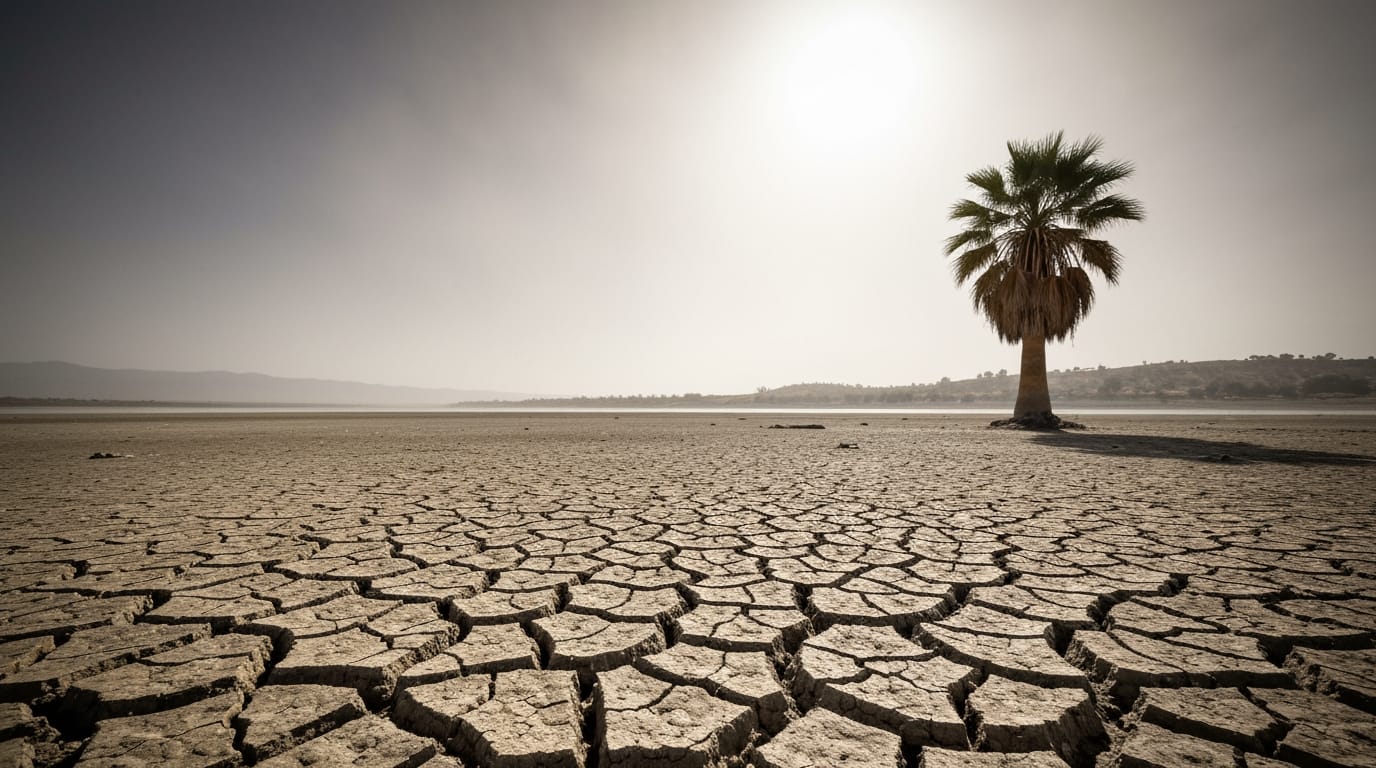
California's largest lake, the Salton Sea, is rapidly shrinking, transforming vast stretches of once-submerged lakebed into a toxic, dust-laden landscape. This environmental catastrophe, fueled by decades of water diversion and a changing climate, is unleashing hazardous dust storms that imperil the health of nearby communities, echoing historical environmental blunders and underscoring a pressing public health crisis in the state's southeastern desert.
The Shrinking Giant: A Troubled History
The Salton Sea, a 316-square-mile, exceedingly shallow body of water situated between the Coachella and Imperial Valleys, emerged in 1905 when the Colorado River overflowed its banks. For much of its history, it was primarily fed by agricultural runoff. By the 1950s, with its wide sandy beaches, it had become a popular holiday destination, attracting tourists and celebrities to its lakeside resorts. However, a combination of a hotter, drier climate and detrimental water policies has led to a dramatic decline in water levels. In the last three decades alone, the lake has shrunk by approximately 20%, losing about 70 square miles of surface area.
The accelerated shoreline retreat of the Salton Sea is largely attributed to policy changes that redirected Colorado River water to San Diego. A key agreement required agricultural water users to increase efficiency and reduce consumption, which in turn significantly decreased the inflow of water into the Salton Sea. This reduction has intensified the lake's salinity, which is now higher than that of the Pacific Ocean, and contributed to other water quality issues like hypoxia, harmful bacteria proliferation, and foul smells. These deteriorating conditions not only threaten the lake's ecosystem but also exacerbate its rapid evaporation, leading to more exposed lakebed, or playa.
A Cloud of Contaminants: Public Health Under Siege
As the Salton Sea recedes, it exposes vast swathes of formerly submerged lakebed, which is laced with a dangerous cocktail of heavy metals, pesticides, agrochemicals, and potentially hazardous microbial byproducts accumulated from agricultural runoff over decades. When desert winds sweep across this parched playa, they pick up these contaminants, generating toxic dust storms that significantly worsen air quality in the surrounding region.
These dust events are not merely an aesthetic nuisance; they are a serious public health threat. Research indicates that the high levels of particulate matter around the shrinking Salton Sea contribute to elevated rates of asthma, wheezing, and other respiratory conditions in nearby communities. Studies have revealed a clear association between higher dust exposure and lower lung function in children living near the Salton Sea, many of whom reside in predominantly low-income and Latino communities that bear a disproportionate burden of this environmental injustice. The situation draws stark parallels to historical health disasters like "Dust Bowl pneumonia" of the 1930s. For individuals like Michelle, who has lived with severe asthma since infancy, the deteriorating air quality poses a life-threatening challenge, necessitating frequent hospitalizations.
Echoes of the Past: The Owens Lake Precedent
The Salton Sea's crisis is a grim reminder of a similar environmental disaster that unfolded nearly a century ago at Owens Lake, approximately 200 miles northeast of Los Angeles. In 1913, Los Angeles began diverting water from the Owens River into its aqueduct system to support the burgeoning city. By 1926, Owens Lake, once a 110-square-mile body of water, had become a dry alkali flat.
This desiccated lakebed transformed into the nation's largest single source of dust, emitting clouds containing particulate matter, cadmium, chromium, chlorine, and iron. At its peak, the dust pollution from Owens Lake was 100 times greater than federal air safety standards, posing significant health risks and even affecting military test flights at the nearby China Lake Naval Air Weapons Station.
After decades of environmental litigation and public pressure, the Los Angeles Department of Water and Power (LADWP) was mandated to undertake extensive dust mitigation efforts. Starting in 2000, LADWP invested over $2 billion to implement measures such as shallow flooding, managed vegetation, and gravel cover across 45 square miles of the lakebed. This monumental effort has successfully reduced dust emissions by 99.4%, transforming the former toxic dust bowl into a productive habitat for migratory birds. However, the ongoing maintenance of these dust controls remains a significant financial and water-intensive undertaking, highlighting the long-term costs of neglecting environmental consequences.
Urgent Calls for Action and Lingering Challenges
The dire situation at the Salton Sea necessitates urgent and comprehensive intervention. Environmental groups and scientists have long warned state authorities of the impending ecological and public health catastrophe, advocating for restoration efforts and a long-term plan to mitigate the impacts of water transfers. Without mitigation, projections indicate that the shoreline retreat will continue, leading to further expansion of the exposed playa and increased pollutant exposure for local communities.
While new wetlands are forming as the sea recedes, offering some habitat for thousands of migrating birds, the overall ecological health is in decline. The increasing salinity alone threatens species like tilapia, a primary food source for many piscivorous birds, with potential elimination if salinity levels continue to rise.
The challenges are multifaceted, encompassing ecological restoration, air quality improvement, and addressing the disproportionate impact on disadvantaged communities. Efforts include community science initiatives to monitor water and air quality, aimed at capacity building and advocacy. Continued monitoring and intervention are crucial to mitigate air pollution and protect the vulnerable populations living downwind of the shrinking lake. The lessons from Owens Lake demonstrate that while costly and complex, remediation is possible, but proactive measures at the Salton Sea are essential to avert a full-scale environmental and public health disaster.