Australian Eucalyptus: A Global Fire Accelerator Reshaping Wildfire Dynamics
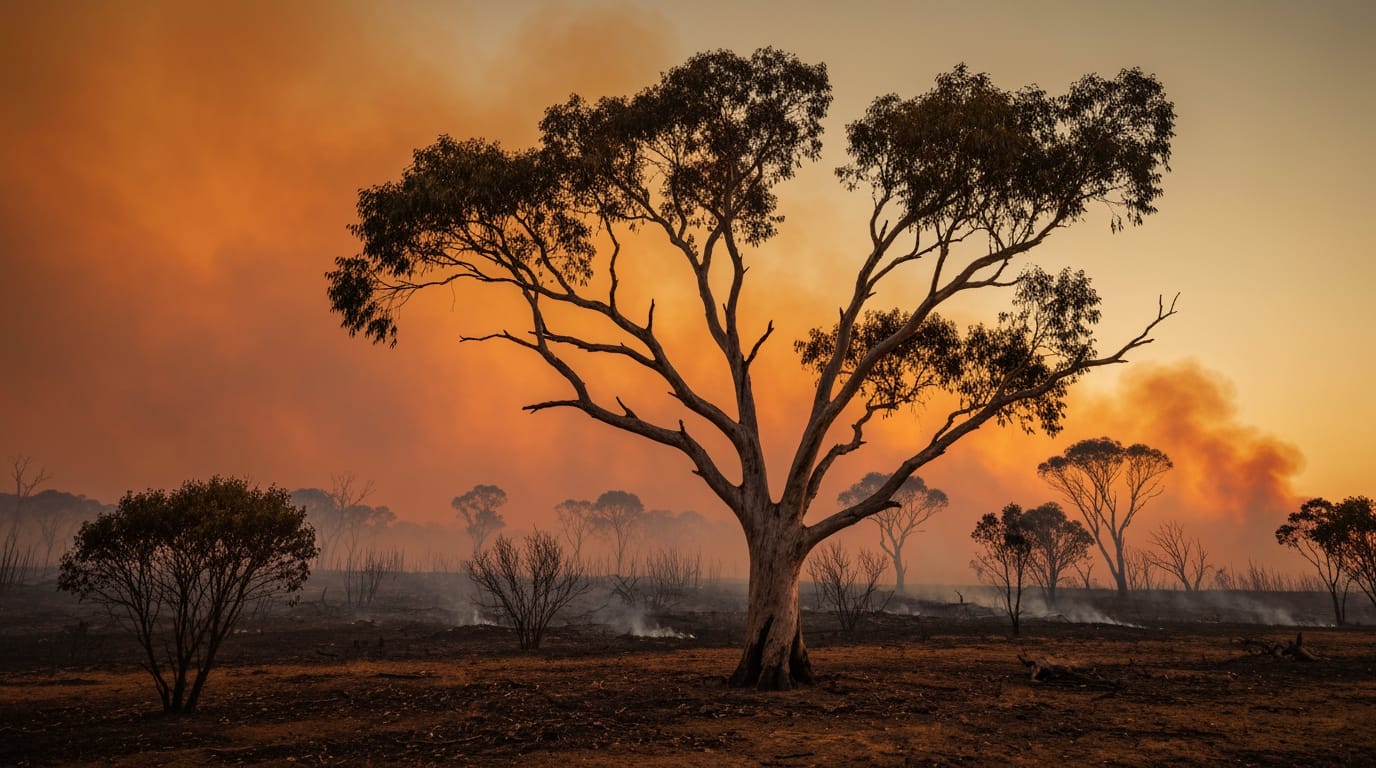
Across continents, a tree synonymous with Australia is increasingly recognized for its role in exacerbating wildfires, challenging ecosystems, and endangering communities far from its native habitat. Eucalyptus species, particularly the widely planted blue gum (Eucalyptus globulus), possess a unique set of characteristics that transform landscapes into tinderboxes, intensifying fire behavior and complicating suppression efforts worldwide. This phenomenon, once largely confined to the Australian bush, is now reshaping wildfire patterns in regions like California and Portugal, prompting a reevaluation of landscape management strategies.
The Fire-Prone Physiology of Eucalyptus
Eucalyptus trees have evolved in a fire-prone environment, developing adaptations that allow them to not only survive but also thrive after intense blazes. However, these very adaptations become significant liabilities when the trees are introduced to new ecosystems. A primary factor is the high concentration of volatile oils within their leaves, which can vaporize under heat and ignite explosively, creating fireballs. These aromatic oils contribute significantly to the intensity and speed of eucalyptus-fueled fires.
Beyond the volatile foliage, the bark of many eucalyptus species presents another critical fire hazard. These trees frequently shed their bark in long, dry strips that accumulate at their bases or hang from branches. These highly flammable bark strips act as "ladder fuels," allowing ground fires to quickly ascend into the tree canopy. More dangerously, burning strips of bark can be carried aloft by strong winds and fire-induced convection columns, igniting new spot fires miles ahead of the main fire front. This "spotting" behavior can overwhelm containment efforts, making wildfires almost impossible to control in dense eucalyptus stands.
Fuel Accumulation and Rapid Regeneration
Eucalyptus trees are also prolific producers of highly flammable leaf litter and debris. Their rapid growth rate contributes to a continuous shedding of leaves and twigs that form deep fuel beds on the forest floor. This litter, rich in oils, resists decomposition by microbes and fungi, creating a persistent and abundant source of fuel. In some areas, accumulations of eucalyptus litter can reach 100 tons per acre, a stark contrast to the approximately 3 tons per acre found under native oak species. This massive fuel load significantly increases the potential for more intense and destructive fires.
Adding to their fire-adaptive nature, many eucalyptus species can rapidly regenerate after a fire. They possess specialized structures, such as epicormic buds hidden beneath their bark and lignotubers at their base, which sprout new growth quickly following a burn. Furthermore, their seeds are often fire-dependent, requiring heat to trigger germination, leading to dense stands of new trees in post-fire landscapes. While beneficial in their native environment for ecological recovery, this aggressive regeneration in introduced areas can quickly re-establish and even expand fire-prone vegetation, perpetuating a cycle of intense blazes.
Global Spread and Consequential Impacts
Introduced globally over the past 150 years for various purposes including timber production, windbreaks, and ornamental landscaping, eucalyptus species now grow in over 90 countries. In regions with climates similar to Australia's, such as the Mediterranean climate zones of California, the Iberian Peninsula, and parts of Africa, these trees have flourished, often displacing native flora.
The consequences of this global spread are starkly evident. In California, where blue gum eucalyptus was widely planted in the 19th century, the trees have been implicated in devastating wildfires. The 1991 Oakland Hills fire, which killed 25 people and destroyed thousands of homes, was largely fueled by dense eucalyptus groves, with some estimates attributing up to 70% of the fire's energy to these trees. Similarly, in Portugal, extensive eucalyptus plantations for the paper industry have contributed to an increased frequency and intensity of wildfires. A 2025 analysis revealed that eucalyptus plantations in Portugal had a burn probability twice as high as natural production forests, with eucalyptus aggressively regenerating after fires to expand these flammable landscapes.
These introduced eucalyptus stands also pose significant ecological threats by altering soil chemistry and reducing water availability due to their rapid water uptake. They create "green deserts" that support less biodiversity compared to native woodlands, impacting plant and bird species. The challenge is particularly acute in the wildland-urban interface, where human settlements directly abut eucalyptus forests, escalating the risk to lives and property.
Managing the Flammable Legacy
Addressing the wildfire risk posed by eucalyptus requires comprehensive and often challenging management strategies. In areas where eucalyptus has become naturalized or invasive, efforts focus on removal and replacement with less flammable native species. However, eucalyptus's vigorous resprouting from stumps makes removal a complex and multi-stage process, often requiring herbicide treatments or grinding.
For existing eucalyptus stands, particularly near communities, fuel reduction is a critical measure. This includes regularly removing accumulated bark and leaf litter, pruning lower limbs to prevent fires from reaching the canopy, and ensuring adequate spacing between trees. These practices aim to reduce the available fuel and disrupt the "ladder effect" that contributes to intense crown fires.
The shift in global wildfire dynamics underscores the unintended consequences of introducing species outside their native ranges, particularly those with strong fire adaptations. While eucalyptus trees offer aesthetic and commercial benefits, their propensity to fuel intense and rapidly spreading wildfires necessitates a balanced approach to land management, prioritizing fire safety and ecological integrity in an increasingly fire-prone world.