Achraf Hakimi and Football's Growing Conundrum: The Battle for Playing Time
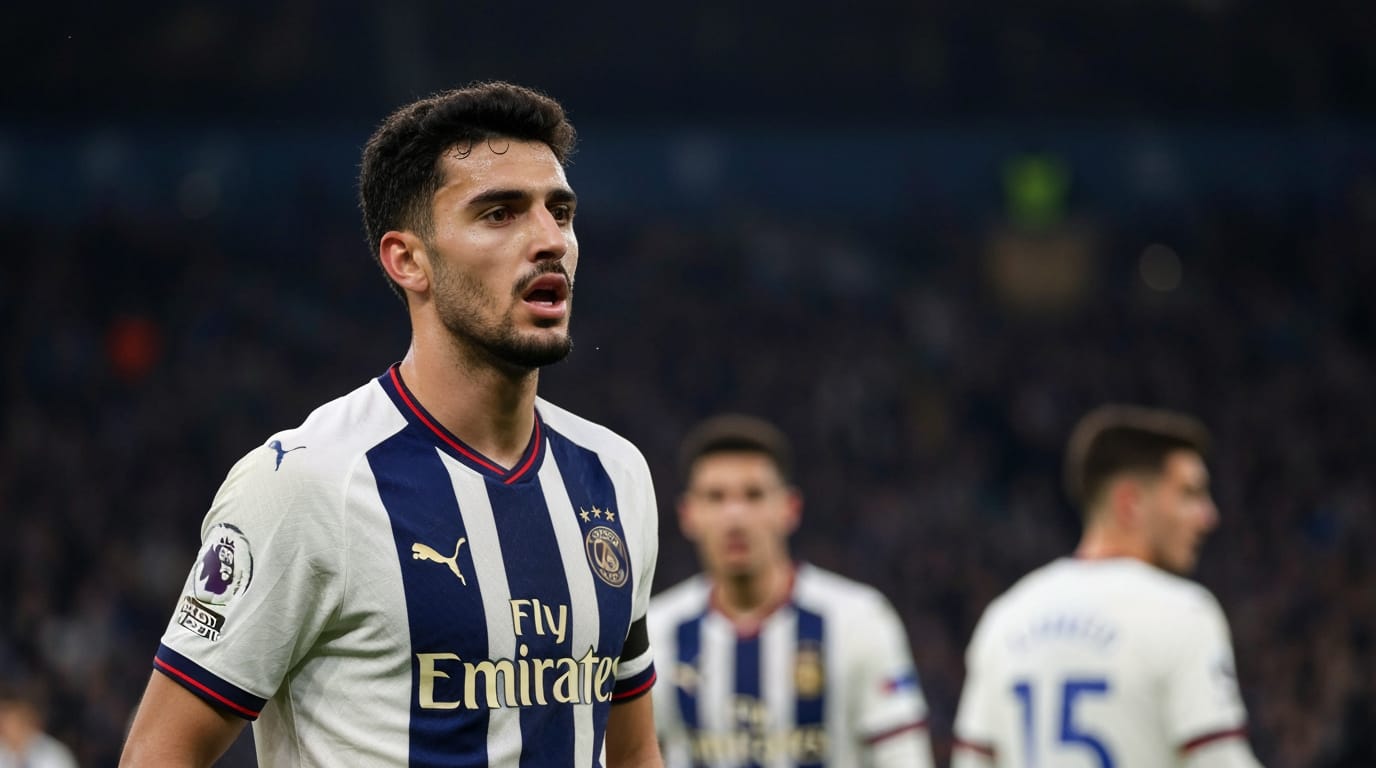
In the high-stakes world of professional football, where immense talent converges and pressure mounts, the allocation of playing time has become a critical and increasingly complex issue. While fans often focus on goals, assists, and trophies, a deeper narrative unfolds behind the scenes: the struggle for consistent minutes on the pitch, a factor that profoundly shapes careers, impacts player development, and tests mental resilience. Achraf Hakimi, the Moroccan international and Paris Saint-Germain's dynamic right-back, stands as a prominent example of a modern elite player whose journey has been significantly influenced by this pervasive challenge.
Hakimi's Odyssey for Minutes: A Career Defined by Opportunity
Achraf Hakimi's path to becoming one of the world's most sought-after full-backs was not a straight shot to stardom, but rather a strategic navigation of playing time opportunities. Born in Spain, Hakimi joined Real Madrid's famed La Fábrica academy at the age of eight, honing his skills for a decade. Despite graduating from the academy and making his senior debut for Real Madrid in 2017, his opportunities in the star-studded squad were limited. In the 2017-2018 season, he made just nine La Liga appearances for Real Madrid, scoring two goals. This scarcity of first-team action, a common hurdle for young talents at elite clubs, prompted a crucial move for his development.
In 2018, Hakimi embarked on a two-year loan spell at Borussia Dortmund in the Bundesliga, a decision that proved to be a turning point. It was in Germany that he truly flourished, gaining invaluable experience and demonstrating his attacking prowess and defensive capabilities. During his time at Dortmund, he amassed 54 appearances in the Bundesliga, contributing seven goals and 14 assists, alongside 17 clean sheets. He also made a significant impact in the Champions League, scoring his first goals in the competition and even registering a brace against Inter Milan in a thrilling comeback victory. This consistent playing time allowed him to evolve from a promising prospect into an established top-tier player.
Upon returning from his successful loan, Hakimi's future at Real Madrid remained uncertain regarding guaranteed minutes. Consequently, he moved to Inter Milan in Serie A for the 2020-2021 season. There, he continued his upward trajectory, making 37 league appearances and scoring seven goals, along with 10 assists. His impactful performances were instrumental in Inter securing the Serie A title, his second consecutive league title across two different clubs. His consistent contribution cemented his reputation as a world-class wing-back. His subsequent transfer to Paris Saint-Germain (PSG) in 2021 for a reported €60 million further underscored his value and the critical role of regular playing time in his career progression. At PSG, Hakimi has continued to feature prominently, making 119 Ligue 1 appearances, scoring 19 goals, and providing 20 assists, contributing to multiple domestic titles and the club's first UEFA Champions League title in 2025.
The Modern Game's Demands: A Tight Squeeze for Playing Time
Hakimi's journey illustrates a broader challenge endemic to modern professional football: the intense competition for playing time within increasingly deep and expensive squads. Top clubs, vying for supremacy across multiple domestic and continental competitions, often assemble large rosters of elite talent. This leads to what is known as "fixture congestion," where teams face a packed calendar of matches almost every few days.
To manage the physical demands of such a schedule and mitigate injury risks, coaches frequently employ squad rotation strategies. While rotation is essential for player health and maintaining performance levels throughout a grueling season, it inherently means that even highly skilled players may not feature in every match or play the full 90 minutes. The average number of changes made to starting lineups in top leagues highlights this trend, with some teams rotating frequently from a large pool of players. This strategic necessity, while vital for team success and player well-being over the long term, creates a challenging environment for individual players seeking consistent game time.
The Unseen Costs: Development and Mental Well-being
Inconsistent playing time can have significant, often unseen, costs for players, particularly impacting their development and mental well-being. For young players, regular match experience is crucial for translating training ground efforts into real-game situations and learning from mistakes under pressure. Without sufficient minutes, the gap between players who play consistently and those who don't can widen, potentially hindering growth and confidence.
The psychological toll of being sidelined or frequently rotated can also be substantial. Football is a high-pressure environment, and professional footballers, despite their success, are not immune to psychological distress. Feelings of frustration, disappointment, and even anxiety can arise when players perceive a lack of playing time, especially if they believe their skill level and effort warrant more. Studies indicate that over a quarter of professional footballers experience symptoms of depression and anxiety, with factors like intense mental demands, performance pressure, and time away from family contributing to these issues. While Hakimi successfully navigated these challenges, his early career moves underscore the proactive steps players must sometimes take to secure the playing time necessary for both professional growth and personal fulfillment.
Navigating the Roster: Coaches' Conundrum and Player Strategies
For coaches, managing playing time is a delicate balancing act. They must weigh tactical needs, opponent analysis, player fitness, and the desire to keep the entire squad motivated. Effective rotation involves strategic decisions aimed at preserving energy, mitigating injuries, and maintaining competitive balance, rather than simply resting players randomly. This often requires clear communication with players about their roles and why rotation is occurring. However, satisfying every player's expectation for playing time is often impossible, leading to potential morale challenges within the squad.
Players, in turn, adopt various strategies to cope with the playing time paradigm. Some, like Hakimi, seek moves to clubs where regular first-team football is more assured, prioritizing minutes over immediate top-tier club affiliation. Others might focus intensely on training, hoping to impress coaches and earn their spot. There's also a recognized debate about whether playing time directly accelerates player improvement, or if underlying talent is the primary driver. However, the consensus among many is that while practice is vital, the "game is the goal," and competitive matches provide unique learning experiences that cannot be fully replicated in training.
Conclusion: An Enduring Challenge in Modern Football
Achraf Hakimi's career serves as a compelling testament to the significance of playing time in the trajectory of a professional footballer. His early decision to seek consistent minutes, first at Dortmund and then Inter, allowed him to unlock his full potential and establish himself as a global star. This individual journey reflects a systemic issue within modern football, where deep squads, relentless fixture schedules, and strategic rotation create an environment where playing time is a fiercely contested commodity.
The challenge of balancing team success with individual player development and well-being remains an enduring feature of the sport. While squad rotation is a necessary tool for coaches, its careful management, coupled with clear communication and a focus on holistic player support, will be crucial in ensuring that football's brightest talents, like Hakimi, continue to thrive both on and off the pitch. The continuous evolution of football tactics and the global demands on players mean that the conversation around playing time will only continue to grow in importance, shaping the careers of future generations of stars.