Active Shooter Grips Brown University, Multiple Victims Reported as Manhunt Continues
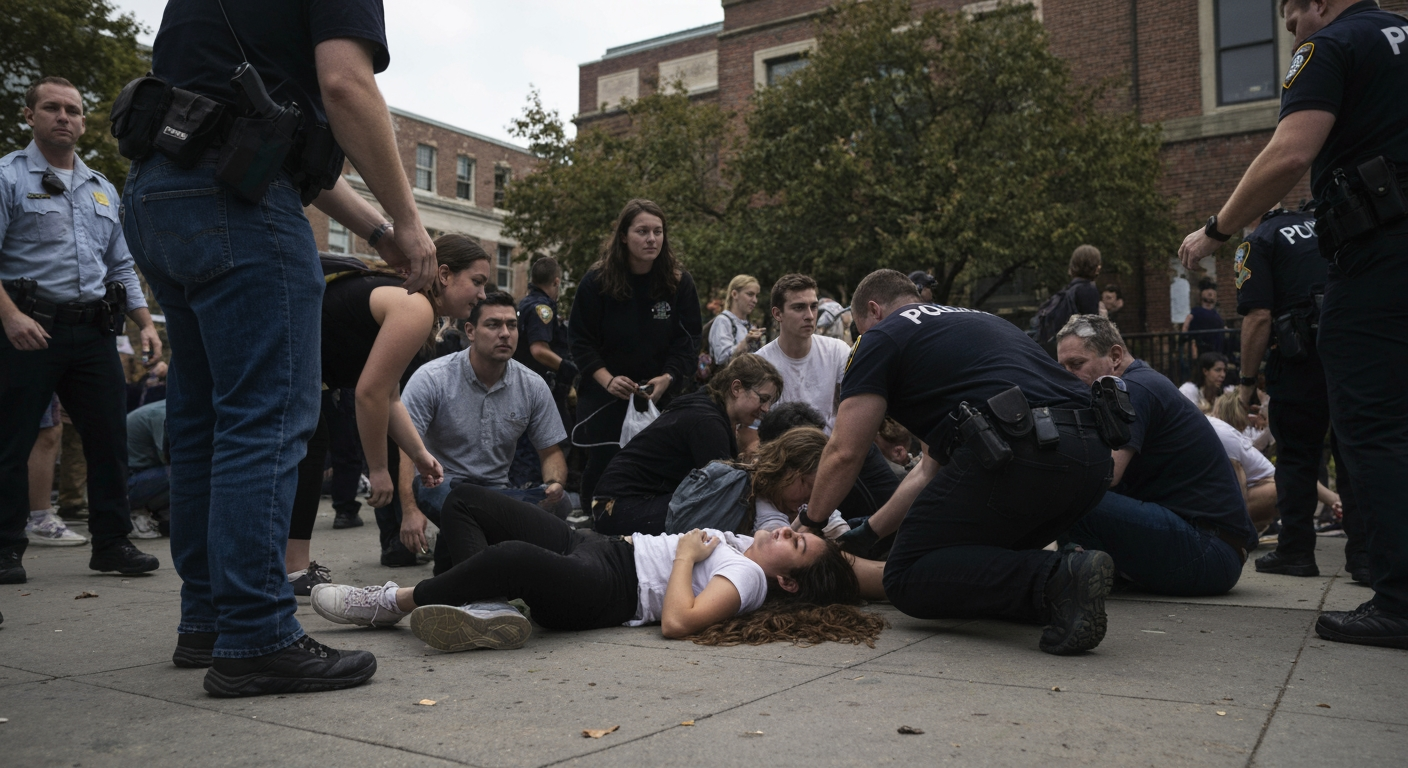
PROVIDENCE, R.I. – An active shooter incident unfolded at Brown University Saturday afternoon, sending shockwaves through the Ivy League campus and leaving multiple individuals injured. Law enforcement officials confirmed that several people sustained gunshot wounds, prompting an immediate lockdown and a widespread search for the perpetrator who remains at large. The harrowing event disrupted the second day of final examinations, trapping students and faculty within campus buildings as police swarmed the area.
The incident began shortly after 4:22 p.m. EST, when the university's alert system, BrownUAlert, issued an urgent notification to the campus community. The initial alert pinpointed the vicinity of the Barus & Holley Engineering building as the site of the active shooter. Students, staff, and visitors were instructed to immediately shelter in place, locking doors, silencing phones, and staying hidden. The university's message also advised adherence to the "run, hide, fight" protocol, a standard emergency response for such critical situations.
Crisis on College Hill: The Immediate Aftermath
The tranquil academic atmosphere of College Hill quickly transformed into a scene of urgent law enforcement activity. Providence Police and Fire Department units converged on Hope Street, near the university, establishing a heavy presence and urging the public to avoid the area. Details regarding the victims' conditions were not immediately released, though university officials confirmed they had been transported to local hospitals. The Barus & Holley building, a prominent seven-story structure housing the school of engineering and physics department, was a focal point of the initial response. This facility, which contains numerous laboratories, offices, and classrooms, was particularly busy on Saturday, as multiple exams were scheduled there between 2 p.m. and 5 p.m.
Initial reports briefly indicated a suspect had been taken into custody, leading to a momentary sense of relief that quickly dissipated when law enforcement officials retracted the statement. Police subsequently clarified that the search for the suspect, or possibly suspects, was ongoing, with no individual apprehended as of early evening. The evolving situation underscored the chaotic and dynamic nature of responding to an active threat on a densely populated campus. University officials continued to update the community, stressing the importance of remaining sheltered until further notice.
Campus Response and Community Support
In the immediate wake of the shooting, Brown University mobilized its resources to support the affected community. Senior administrative leaders convened in an emergency command center to coordinate the ongoing response and provide assistance. Support services were quickly established on-site, and students from the affected areas were relocated to secure locations where they could receive care and assistance. The university expressed its gratitude to law enforcement and emergency medical personnel for their rapid and coordinated efforts.
The incident occurred during a critical period for students, with final exams underway. The psychological impact on the student body, already navigating the pressures of academic assessments, was undoubtedly significant. The call to shelter in place, with its inherent uncertainty and fear, added another layer of trauma to the academic calendar. This event, interrupting a routine day of intellectual pursuit, served as a stark reminder of the vulnerabilities faced by educational institutions in the current climate.
Lingering Concerns Over Campus Security
The active shooter incident at Brown University brings to the forefront persistent concerns surrounding campus safety and emergency preparedness. While the immediate focus remains on the ongoing manhunt and the well-being of the victims, questions may arise regarding the effectiveness of security protocols and communication strategies. Earlier in the year, reports surfaced detailing concerns from officers within Brown's Department of Public Safety (DPS) regarding the handling of previous threats. These concerns, which included allegations of inappropriate responses to bomb and shooting threats and inadequate disclosure of information to the community, highlight a pre-existing dialogue about security measures on campus. Although not directly connected to the current event, such prior anxieties about response protocols could underscore a broader need for continuous evaluation and enhancement of campus security frameworks.
The university's current alerts, instructing students to "run, hide, fight," reflect contemporary best practices for active shooter scenarios, emphasizing individual agency in survival. However, the rapidly changing information regarding a suspect's apprehension, later retracted, illustrates the inherent challenges in managing information flow during a crisis. The ability to disseminate accurate, real-time information is paramount in maintaining trust and ensuring the safety of a large, dispersed community.
An Unsettled Campus and the Path Forward
As the search for the suspect continues, the Brown University community faces a period of profound uncertainty and grief. The incident has shattered the sense of security typically associated with a university campus, leaving behind emotional distress and a heightened awareness of potential threats. The immediate priority remains the apprehension of the individual responsible and providing comprehensive support to those affected by the violence.
The long-term implications of this event will likely include an intensified review of campus security measures, emergency communication systems, and mental health resources available to students and staff. The challenge for Brown University, like many educational institutions grappling with similar tragedies, will be to foster a renewed sense of safety and community while navigating the complex aftermath of a violent intrusion. The coming days will be critical as the university and law enforcement work to restore order and address the profound impact on the lives of those touched by this act of violence.
Related Articles

Ratko Mladić, "Butcher of Bosnia" and Convicted War Criminal, Dies at 84
THE HAGUE, Netherlands – Ratko Mladić, the former Bosnian Serb military commander known as the "Butcher of Bosnia" and convicted of genocide, war crimes, and crimes against humanity, has died at the age of 84. Serbian...

Long-Awaited 9/11 Mastermind Trial Set for 2028, Decades After Attacks
GUANTANAMO BAY, Cuba – Nearly a quarter-century after the devastating terror attacks of September 11, 2001, a military judge has finally set a trial date for Khalid Sheikh Mohammed, the alleged mastermind behind the...