Senegal Enacts Harsher Anti-LGBTQ+ Law, Drawing International Condemnation
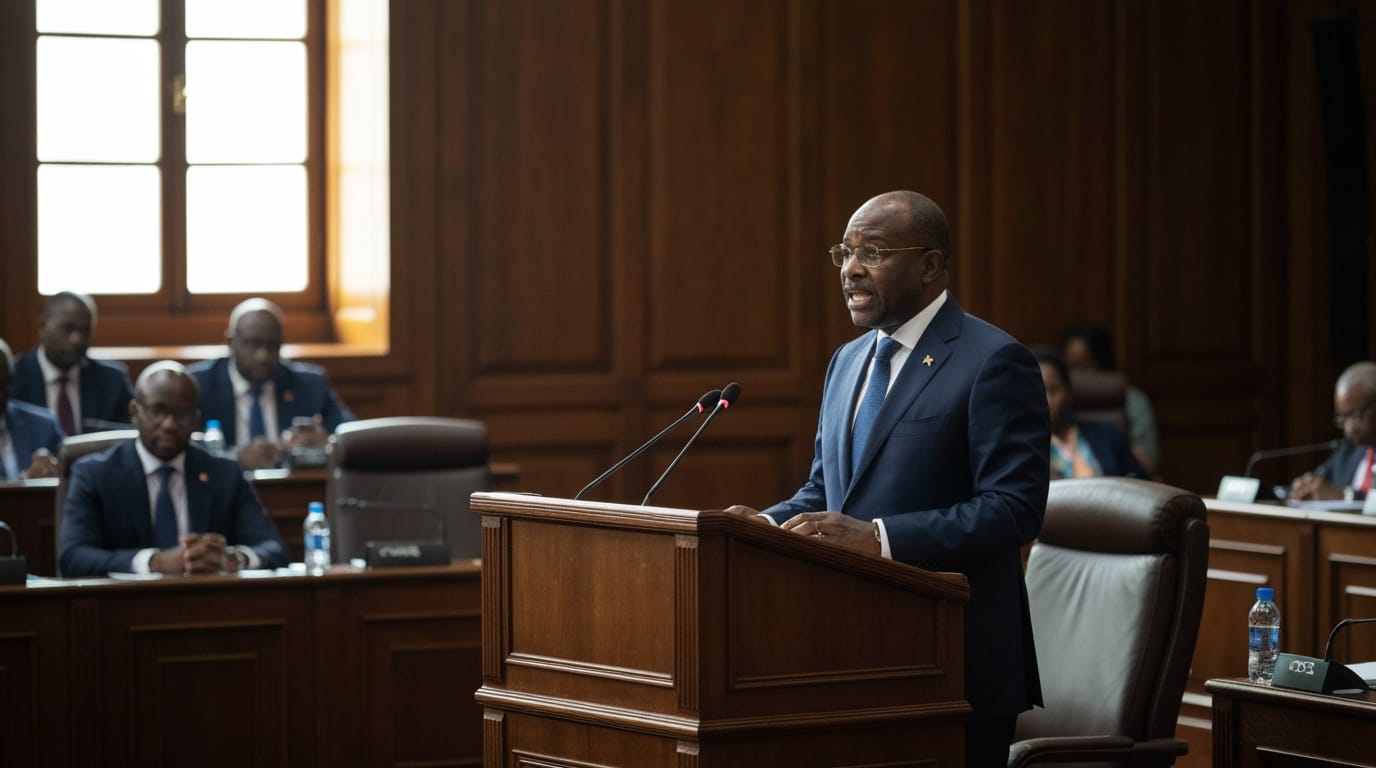
DAKAR, Senegal – Lawmakers in Senegal have overwhelmingly passed a bill significantly toughening penalties for same-sex relations, with individuals now facing up to 10 years in prison for "acts against nature." The legislative move, which saw broad support in the National Assembly, marks an intensification of the state's stance against the LGBTQ+ community and is poised to make Senegal's laws among the most stringent in West Africa. The decision has sparked immediate condemnation from international human rights organizations and some foreign governments, who warn of severe implications for civil liberties and human rights within the West African nation.
Escalation of Penalties and Scope of the Law
The newly approved legislation, which has passed the National Assembly with 135 votes in favor and three abstentions, revises Article 319 of Senegal's Penal Code, drastically increasing the maximum prison sentence for consensual same-sex acts. Previously, such acts were punishable by one to five years in prison and fines. Under the new law, convicted individuals face five to ten years imprisonment. Prime Minister Ousmane Sonko, a key proponent of the bill, emphasized that the maximum penalty would be applied if the act involved a minor.
Beyond criminalizing same-sex relations, the bill also targets the "promotion" or "advocacy" of such relationships, proposing prison terms ranging from three to seven years, along with fines of up to 10 million CFA francs (approximately $18,000 USD). This provision is particularly alarming to human rights advocates, who fear it could stifle free speech, curb the activities of civil society organizations, and impede public health initiatives, such as HIV prevention programs aimed at at-risk populations. The legislation explicitly defines "any sexual act or act of a sexual nature between two people of the same sex" as an "act against nature," solidifying a legal framework that criminalizes homosexual and bisexual individuals.
Legislative Momentum and Government Stance
The push for tougher anti-LGBTQ+ laws has been gaining momentum in Senegal, culminating in the recent parliamentary vote. The bill was approved by the cabinet and then transmitted to lawmakers on Tuesday, February 25, 2026. The National Assembly, where Prime Minister Sonko's PASTEF party holds a majority, debated the bill on March 11, 2026, leading to its swift passage.
Prime Minister Sonko has been vocal in his support for the legislation, framing it as a necessary measure to protect Senegal's cultural and moral values. He has publicly described same-sex acts as "against nature" and urged cross-party support for the bill. This rhetoric aligns with a broader societal sentiment in Senegal, a predominantly Muslim nation where homosexuality is widely considered taboo. Surveys have consistently shown that over 90 percent of respondents oppose same-sex relationships, reflecting deep-seated religious and traditional beliefs.
The government's stance also appears to be influenced by recent events. A wave of arrests in the weeks leading up to the bill's passage, involving over 30 individuals suspected of same-sex relations, intensified public debate. Additionally, some public figures and media outlets have conflated same-sex relations with unrelated child sex abuse cases, further fueling calls for stricter laws. Officials have indicated that the proposed law aims to clarify existing legal ambiguities and prevent perceived "legal insecurity" or abuse, particularly concerning minors. The law now awaits the signature of the president to be formally enacted.
Historical Context and Previous Attempts
Senegal has a long history of criminalizing same-sex conduct. Article 319 of the Penal Code, originating from 1965, has historically penalized "unnatural acts" with imprisonment ranging from one to five years. While the current legislation builds upon this existing framework, it significantly elevates the severity of the penalties.
Attempts to toughen these laws are not new. In December 2021, a group of lawmakers introduced a bill that sought to double the maximum sentence for same-sex relations to 10 years and criminalize the "disseminating or financing of any activity relating to the LGBT+ agenda." This bill was ultimately scrapped by a parliamentary committee, ostensibly because existing laws were deemed sufficient. Further bills were proposed in April 2023 and May 2024, but also failed to pass. This latest legislative effort, however, has successfully navigated the parliamentary process, indicating a stronger political will to enact harsher penalties.
Societal attitudes have remained consistently conservative. In 2013, a Pew Global Attitudes Project survey revealed that 97% of Senegalese residents believed homosexuality should not be accepted by society, a figure unchanged since 2007. Public protests demanding tougher anti-LGBTQ+ laws have occurred, with religious associations frequently organizing demonstrations.
Widespread Condemnation and Human Rights Concerns
The passage of this bill has elicited strong condemnation from human rights organizations and international observers. Human Rights Watch has unequivocally stated that the proposed law constitutes a "violation of multiple internationally protected rights, including equality and non-discrimination." Critics argue that the legislation will exacerbate discrimination, increase arrests, and fuel violence against LGBTQ+ individuals who are already marginalized and stigmatized within Senegalese society.
Luxembourg's Foreign Minister, Xavier Bettel, expressed "deep concern" over the bill, highlighting that attraction to a person of the same sex is not a choice, but a reality. Human rights groups warn that by criminalizing advocacy and promotion, the law could also have a chilling effect on freedom of expression and association, potentially impacting organizations involved in crucial public health work. They also emphasize that the conflation of consensual same-sex relations with child sex abuse, as seen in some public discourse, is misleading and further endangers the LGBTQ+ community.
The bill's critics suggest that, beyond moral and religious justifications, the government might be using this legislation to divert public attention from domestic political tensions, economic challenges, and student protests. The intensification of repressive measures, including increased arrests and social media campaigns targeting suspected LGBTQ+ individuals, underscores the heightened risks faced by this community.
Conclusion
The passage of the tougher anti-LGBTQ+ law in Senegal signifies a significant setback for human rights and individual freedoms in the West African nation. By substantially increasing prison sentences and penalizing advocacy, the legislation is set to deepen the persecution of LGBTQ+ individuals and further isolate Senegal from international human rights norms. While the government frames the law as a defense of traditional values, human rights advocates foresee an escalation of violence, discrimination, and a chilling effect on civil society. As the law awaits presidential assent, its implementation will be closely watched by the international community, highlighting a growing tension between national cultural values and universal human rights principles.


