Lufthansa Pilots Stage Widespread 48-Hour Strike, Disrupting German Air Travel
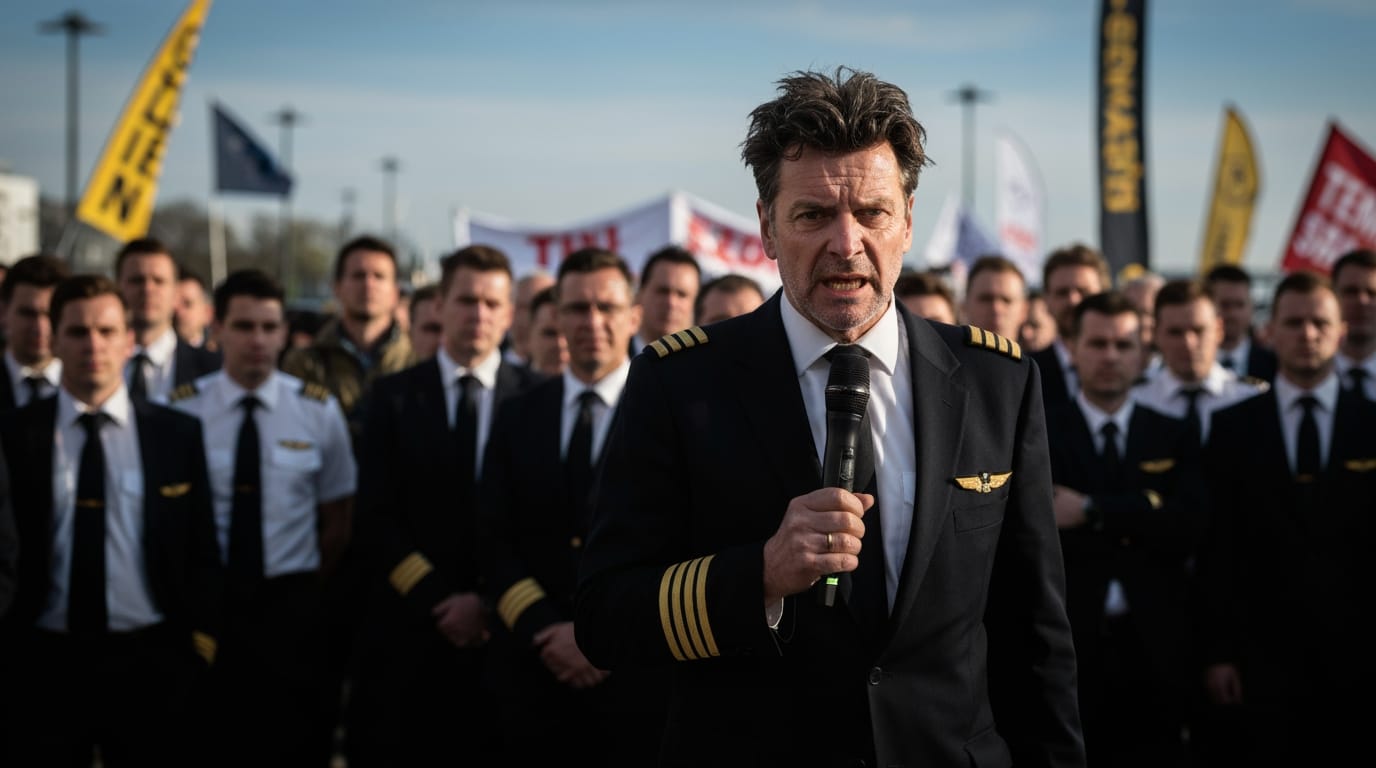
FRANKFURT, Germany – Pilots for Germany's national airline, Lufthansa, launched a 48-hour strike today, March 12, 2026, grounding hundreds of flights and severely impacting air travel across the nation. The industrial action, called by the pilots' union Vereinigung Cockpit (VC), marks a significant escalation in an ongoing dispute over pension benefits and working conditions, leaving tens of thousands of passengers stranded and highlighting persistent tensions within the German transport sector.
The two-day walkout, which began at 12:01 AM local time and is scheduled to continue until 11:59 PM on Friday, March 13, primarily affects flights departing from German airports operated by Lufthansa Passenger Airlines, Lufthansa Cargo, and the regional subsidiary Lufthansa CityLine. Major hubs like Frankfurt and Munich are bearing the brunt of the cancellations, although Lufthansa asserts it will operate more than 50% of its overall scheduled flights, including approximately 60% of its intercontinental services. The airline's cargo operations are also affected, though to a lesser extent, with over 80% of freight flights expected to proceed.
This strike follows a similar 24-hour "warning strike" on February 12, which resulted in the cancellation of more than 800 flights and disrupted travel for an estimated 100,000 to 130,000 passengers. The current 48-hour stoppage is anticipated to cause even broader disruptions. However, in an unusual move, the union has exempted flights to several Middle Eastern destinations—including Egypt, Azerbaijan, Bahrain, Iraq, Israel, Yemen, Jordan, Qatar, Kuwait, Lebanon, Oman, Saudi Arabia, and the United Arab Emirates—due to ongoing geopolitical tensions and humanitarian considerations. Flights operated by other Lufthansa Group subsidiaries, such as Eurowings, Discover Airlines, Austrian Airlines, SWISS, and Air Dolomiti, remain unaffected, as do inbound flights to Germany if their outbound leg departed prior to the strike's commencement.
Deep-Seated Grievances Fuel Industrial Action
At the core of the dispute are two primary issues. For pilots at mainline Lufthansa and Lufthansa Cargo, the contention revolves around the company pension scheme. The Vereinigung Cockpit union, representing approximately 5,200 pilots, is demanding substantially higher employer contributions to the retirement plan. This grievance dates back to 2017, when Lufthansa transitioned from a guaranteed defined-benefit pension model to a capital-market-based defined-contribution system. Pilots argue that this shift, coupled with rising inflation and the airline's cost-cutting measures, has eroded their long-term financial security by transferring greater financial risk onto employees.
Concurrently, pilots at Lufthansa CityLine are striking over stalled negotiations concerning their remuneration structure and the terms of a new collective bargaining agreement. The union contends that Lufthansa is strategically leveraging newly created subsidiaries, such as City Airlines and Discover, to pressure existing employees into accepting less favorable working conditions. This strategy, according to VC, places approximately 800 positions at CityLine at risk under the company's restructuring plans. The union claims that seven rounds of negotiations and mediation attempts have failed to yield a satisfactory resolution, with Lufthansa reportedly failing to present a concrete, negotiable offer since the previous strike in February.
Standoff in the Skies: Management vs. Union
Lufthansa management has expressed strong disapproval of the strike, characterizing it as "completely incomprehensible." Michael Niggemann, a Lufthansa Board Member responsible for human resources, cited the current geopolitical uncertainties, particularly the conflict in the Middle East, as a reason for pilots to avoid such disruptive action. He stated that Lufthansa Airlines already offers a competitive pension package that has seen improvements over the past two years, including a significant increase in pensionable remuneration for pilots. Niggemann emphasized that the low margins at "Lufthansa Classic" – the core airline – leave no scope for further increases, and that strikes will not alter this economic reality. He urged the union to engage in discussions about fleet modernization and future growth to directly impact pilot career prospects, rather than escalating the conflict.
Conversely, VC President Andreas Pinheiro underscored that striking is always a last resort for the union, not an objective in itself. Pinheiro accused Lufthansa of merely signaling a willingness to talk without presenting substantial proposals to address the union's concerns regarding the company pension scheme. Arne Karstens, a spokesperson for the union's collective bargaining committee, reiterated that negotiations would not resume until Lufthansa puts forth a genuinely "negotiable offer". This stalemate underscores a fundamental disagreement over both the substance of the demands and the approach to resolving the long-standing labor issues.
Broader Implications for Travelers and the German Economy
The current pilot strike is not an isolated incident but rather indicative of a broader trend of escalating labor disputes across Germany's transport sector. The economic impact of such repeated disruptions can be substantial, with previous estimations for similar actions reaching tens of millions of euros in direct losses, not including the knock-on effects on tourism and related industries. For travelers, the immediate consequence is widespread inconvenience, with many facing canceled flights, extended delays, and the challenge of finding alternative travel arrangements.
Passengers affected by cancellations due to this internal strike may be entitled to compensation under European Union Regulation 261, as the stoppage is not considered an "extraordinary circumstance" beyond the airline's control. Travel experts advise passengers to monitor their flight status closely, as Lufthansa has implemented an emergency timetable and is working to minimize disruption by utilizing larger aircraft and coordinating with partner airlines.
Looking ahead, the protracted nature of these negotiations and the union's willingness to resort to sustained industrial action suggest that the dispute may continue to affect Lufthansa's operations. The potential for coordinated strikes across other transport sectors, with the rail union EVG having already signaled sympathy and possible future actions, could further exacerbate travel chaos in Germany, particularly as the busy Easter travel period approaches. The ongoing impasse between Lufthansa and its pilots underscores the significant challenges in balancing employee demands for improved conditions with the airline's operational and financial realities in a competitive global aviation landscape.


