Active Shooter Incident Shakes Brown University Campus, Suspect in Custody
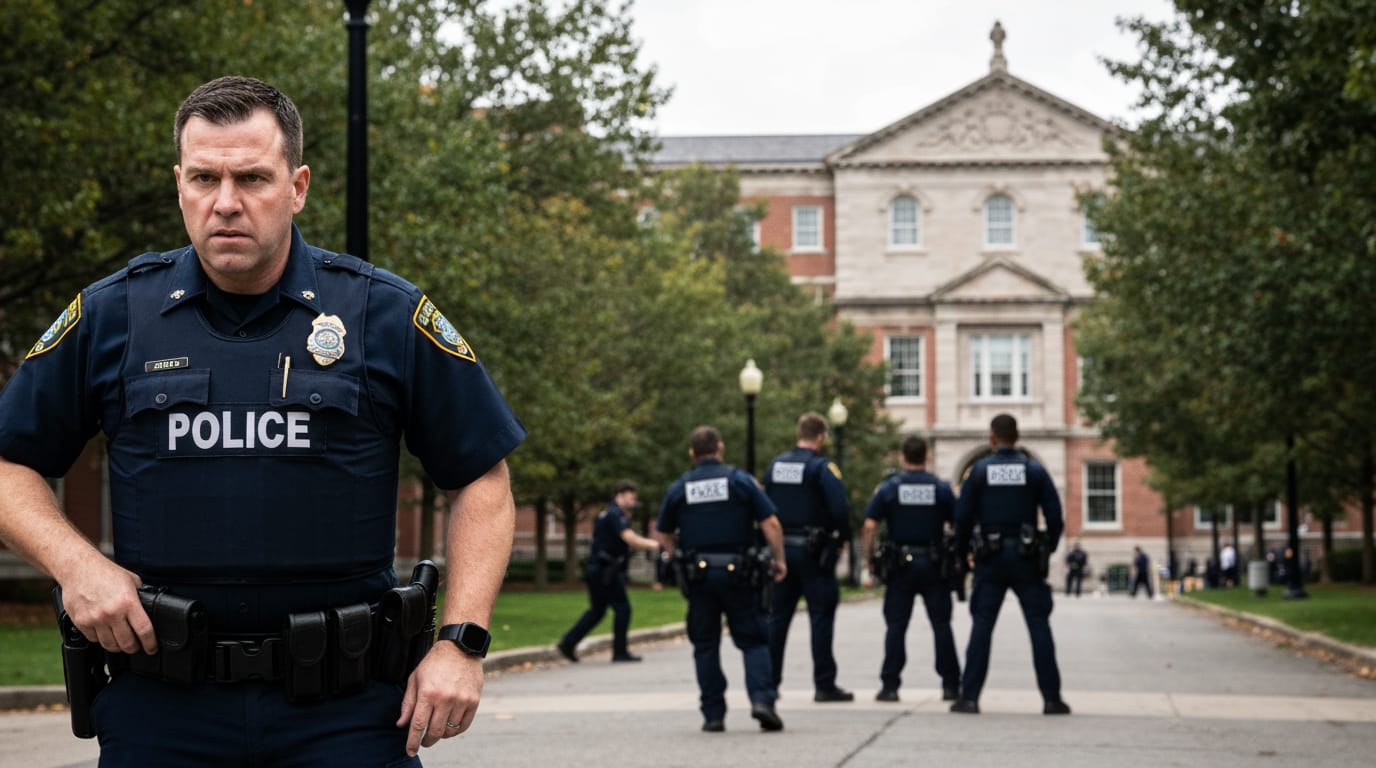
PROVIDENCE, R.I. – A swift law enforcement response and the immediate activation of emergency protocols brought a tense active shooter situation at Brown University to a rapid conclusion Saturday, as police confirmed a suspect was taken into custody on the Providence campus. The incident, which unfolded during the second day of fall semester final exams, prompted an urgent campus-wide shelter-in-place order, plunging the Ivy League institution into momentary chaos.
The initial alert from Brown University’s emergency system, known as BrownAlert, was issued at 4:22 p.m. EST, notifying the community of a hostile intruder near the Barus & Holley building. This critical seven-story structure, a hub for the School of Engineering and Physics Department, quickly became the focal point of a massive police deployment. Within approximately 30 minutes, an update confirmed that a suspect had been apprehended, though the university urged continued sheltering as authorities secured the scene and commenced their investigation.
Campus Gripped by Uncertainty
The Saturday afternoon tranquility of Brown University's campus was abruptly shattered by the emergency alerts. The university's sophisticated BrownSiren outdoor warning system, designed to notify the community of life-threatening emergencies like hostile intruders, was likely activated, followed by widespread BrownAlert messages delivered via web, email, and text. These alerts directed students, faculty, and staff to immediately seek shelter, lock doors, silence their phones, and stay hidden. For those in the immediate vicinity of the threat, the university's established "RUN… HIDE… FIGHT…" guidance, a protocol common in active shooter preparedness, became paramount.
Students described a sudden shift from academic focus to acute awareness of personal safety. With final examinations underway, many were either in campus buildings, libraries, or their residences when the alerts blared. The mandate to shelter in place meant an instant halt to studies and social activities, replacing them with an unnerving vigil. The Barus & Holley building itself is a bustling academic facility, housing 117 laboratories, 150 offices, 15 classrooms, and 29 specialized labs, making the potential for widespread danger particularly high. The prompt and clear communication from the university’s Department of Public Safety (DPS) underscored the gravity of the situation and provided essential instructions for community members to follow during the unfolding event.
Rapid Law Enforcement Intervention
The response from local and campus law enforcement was immediate and overwhelming. Police cars, sirens blaring, converged on the Brown University campus, with a significant presence noted around the Barus & Holley building and surrounding roads. Officers, many in tactical gear, moved quickly to contain the situation, indicating a well-rehearsed and coordinated emergency response effort. The successful apprehension of a suspect within a relatively short timeframe suggests the effectiveness of these rapid deployment strategies and the training exercised by first responders.
Details surrounding the suspect's identity, the motive behind the incident, and whether any shots were fired remained undisclosed in the immediate aftermath. Authorities have not released any information regarding potential injuries, a critical piece of information eagerly awaited by the Brown community and the public. Kristy DosReis, chief public information officer for the city, confirmed that officials were still actively gathering information from the dynamic scene, emphasizing the ongoing nature of the investigation. This period of uncertainty, while a suspect is in custody, often leaves a community grappling with questions and a desire for clarity.
Brown University's Preparedness and Community Resilience
Brown University, an institution with approximately 7,300 undergraduates and over 3,000 graduate students, like many universities across the nation, has invested in robust emergency preparedness plans. These plans, which include the BrownSiren warning system and detailed "Hostile Intruder(s) Emergency Response Guidance," are designed to mitigate harm during such critical incidents. The effectiveness of these systems was put to the test Saturday, and their role in guiding the community's response was evident. The university's Department of Public Safety plays a central role in both proactive planning and reactive management of such emergencies.
The incident occurred at a particularly sensitive time, amidst fall semester final examinations. This period is already a high-stress environment for students, and the added layer of an active shooter threat undoubtedly amplified anxiety across campus. The experience, while fortunately resolved with a suspect in custody, will likely prompt reflection on campus safety protocols and the psychological impact on the university community. The rapid dissemination of information and the prompt actions of law enforcement served to prevent what could have been a far more tragic event, showcasing the importance of preparedness and quick thinking in moments of crisis.
Looking Ahead: Investigation and Recovery
As the immediate danger recedes, the focus now shifts to the meticulous work of investigation and the process of healing and recovery for the Brown University community. Law enforcement agencies will meticulously piece together the events that led to Saturday's incident, seeking to understand the full scope of what transpired. The presence of multiple emergency vehicles and officers on campus for an extended period underscored the thoroughness required to ensure the area was fully secure and all evidence collected.
While the quick apprehension of the suspect is a significant relief, the emotional impact on students, faculty, and staff will likely linger. The university will undoubtedly provide support services to help its community members process the trauma of the event. The incident serves as a stark reminder of the persistent challenges posed by gun violence and the ongoing need for vigilance and preparedness in public spaces, including academic institutions. Brown University, like countless others, will now evaluate its response and continue its efforts to foster a safe and secure environment for learning and living.


