Strengthening Security: US Troops Begin Intensive Training Mission in Nigeria
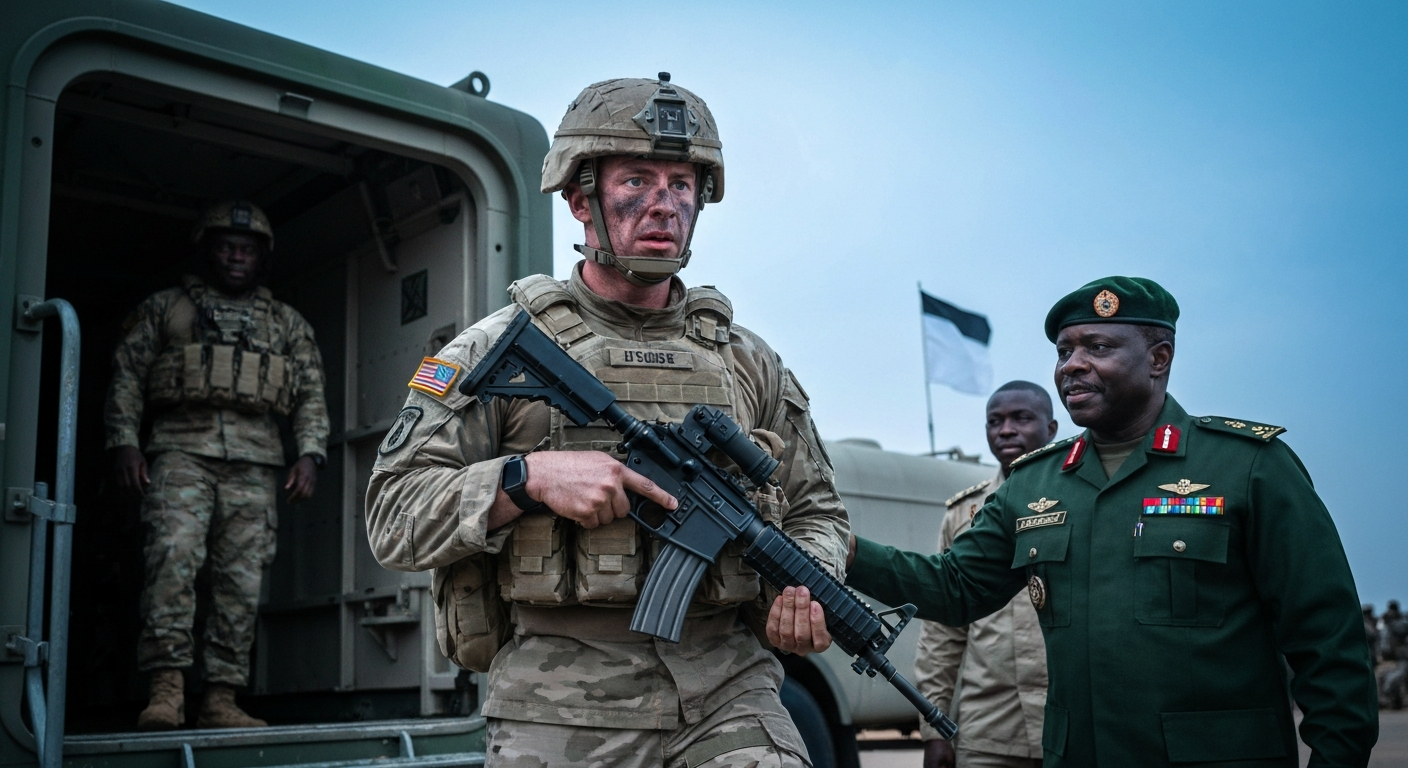
US military personnel have commenced a crucial training mission in Nigeria, marking a significant intensification of security cooperation between the two nations amidst escalating regional instability. The deployment underscores a persistent commitment by the United States to enhance the capabilities of its African partners in confronting complex security challenges, particularly the enduring threats posed by extremist organizations and burgeoning banditry across West Africa. This collaborative effort aims to bolster Nigeria's military prowess, refining tactics, logistics, and operational readiness essential for maintaining peace and stability within the sub-region and beyond.
The arrival of the US forces initiates a multi-week program designed to impart advanced skills and foster interoperability with Nigerian counterparts. While specific units involved from the US side typically include Special Operations Forces or Green Berets known for their expertise in foreign internal defense and unconventional warfare, the focus remains on a train-the-trainer approach. This methodology ensures that the knowledge and skills transferred can be disseminated further within the Nigerian military, creating a lasting impact beyond the duration of the direct engagement. Training modules are expected to cover a wide array of disciplines, including tactical combat operations, intelligence gathering and analysis, logistical support, medical readiness, and counter-improvised explosive device (C-IED) techniques, all tailored to address the asymmetric threats prevalent in the operational environment. The objective is to equip Nigerian forces with the tools and strategies necessary to effectively counter Boko Haram, the Islamic State's West Africa Province (ISWAP), and other criminal elements that destabilize vast swathes of the country and its borders.
This latest deployment is set against a backdrop of increasing insecurity across the Sahel region, an expansive belt stretching across Africa just south of the Sahara Desert. This vast area has become a hotbed for various extremist groups, which exploit porous borders, weak governance, and socio-economic grievances to recruit and operate. Nigeria, as Africa's most populous nation and largest economy, plays a pivotal role in regional security. Its military has been actively engaged in multi-front operations against insurgents in the northeast, separatists in the southeast, and criminal gangs involved in kidnapping and resource conflicts across the north-central states. The US training mission is therefore not merely a technical exercise but a strategic investment in Nigeria's capacity to be a bulwark against the further spread of extremism and to contribute more effectively to multinational efforts, such as the Multinational Joint Task Force (MNJTF) combating Boko Haram in the Lake Chad Basin. This long-standing partnership reflects a shared understanding that regional security challenges require collaborative, sustained solutions that empower local forces.
The US Africa Command (AFRICOM) typically oversees such security cooperation activities, operating under a strategy that prioritizes building partner capacity over direct intervention. This approach is rooted in the understanding that enduring solutions to African security challenges must ultimately be African-led. AFRICOM's engagement with Nigeria aligns with broader US foreign policy objectives in Africa, which include promoting regional stability, counter-terrorism, and strengthening democratic institutions. The training provided is non-combat in nature, focusing purely on enhancing the professionalization and effectiveness of the Nigerian military. Defense officials often highlight that such missions are critical for fostering mutual trust and understanding between the two militaries, paving the way for improved intelligence sharing and coordinated responses to emergent threats. The presence of US trainers also serves as a visible demonstration of international support for Nigeria's sovereignty and its efforts to secure its territory and population.
From Nigeria's perspective, the US training mission is a welcome reinforcement of its ongoing efforts to modernize and professionalize its armed forces. Nigerian military leadership has consistently emphasized the importance of international partnerships in addressing the complex and evolving nature of contemporary security threats. The specialized training from US forces is anticipated to provide Nigerian soldiers with access to cutting-edge methodologies and best practices, which can be difficult to develop internally amidst ongoing operational pressures. This enhancement of capabilities is not just about tactical improvements; it extends to fostering greater institutional resilience, improving human rights compliance, and strengthening logistics and sustainment functions — all vital components of a modern, effective fighting force. By integrating lessons learned from global counter-terrorism operations, Nigerian forces can refine their operational strategies, minimizing casualties and enhancing their overall effectiveness in complex, asymmetric environments.
The arrival of US troops for this training mission symbolizes a critical juncture in the ongoing efforts to stabilize West Africa. It underscores a strategic alignment between the United States and Nigeria, recognizing Nigeria's indispensable role as a regional anchor in combating extremism and promoting stability. As the training progresses, the focus will remain on empowering Nigerian forces to effectively address the multifaceted security challenges they face, ensuring that the skills and knowledge transferred contribute to long-term military effectiveness and ultimately to a more secure and prosperous future for Nigeria and the wider region. The collaborative endeavor reinforces the principle that shared security requires shared responsibility and a concerted investment in the capabilities of partners on the front lines.
Related Articles


Ratko Mladić, "Butcher of Bosnia" and Convicted War Criminal, Dies at 84
THE HAGUE, Netherlands – Ratko Mladić, the former Bosnian Serb military commander known as the "Butcher of Bosnia" and convicted of genocide, war crimes, and crimes against humanity, has died at the age of 84. Serbian...

Long-Awaited 9/11 Mastermind Trial Set for 2028, Decades After Attacks
GUANTANAMO BAY, Cuba – Nearly a quarter-century after the devastating terror attacks of September 11, 2001, a military judge has finally set a trial date for Khalid Sheikh Mohammed, the alleged mastermind behind the...