Africa Braces for Impending El Niño: A Looming "Perfect Storm" Threatens Millions
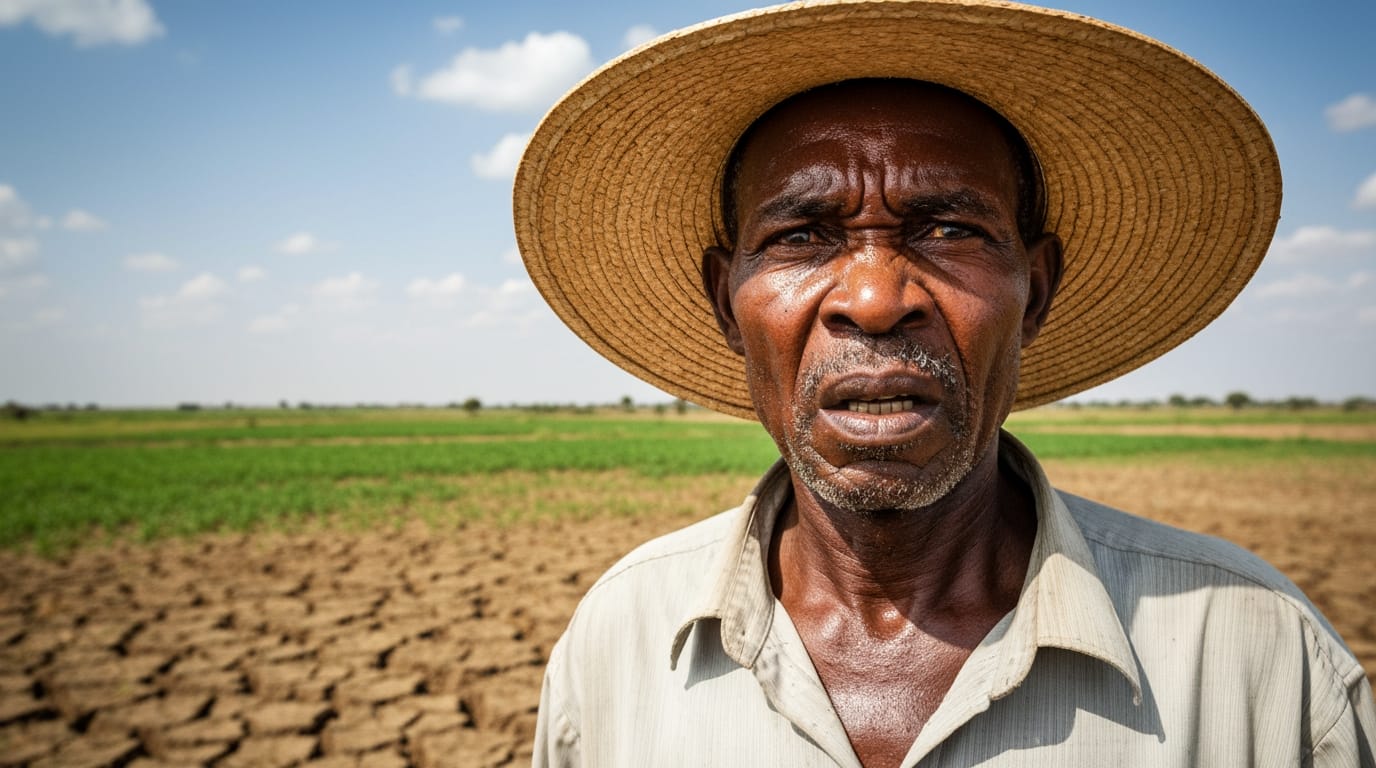
As the world confronts accelerating climate shifts, Africa faces the daunting prospect of a powerful El Niño event intensifying throughout 2026, threatening to unleash a "perfect storm" of interconnected humanitarian crises across the continent. Forecasts indicate a high probability of a strong El Niño developing, raising urgent concerns about its potential to exacerbate existing vulnerabilities and push millions into severe food insecurity, displacement, and disease outbreaks. The critical question remains: Is Africa adequately prepared for the scale of impact this climatic phenomenon could bring?
The Looming Threat of a "Godzilla" El Niño
El Niño, a natural climate pattern characterized by unusual warming of sea surface temperatures in the central and eastern Pacific Ocean, significantly disrupts global weather systems. Current predictions suggest a high likelihood (80-90%) of a moderate to strong El Niño forming from mid-2026, with conditions expected to intensify rapidly through the latter half of the year. The World Meteorological Organization (WMO) has expressed "high confidence" in this outlook, noting that while El Niño itself is a natural phenomenon, its impacts are profoundly amplified by a warming world due to climate change. The previous strong El Niño event in 2023-2024 served as a stark precursor, triggering one of Southern Africa's worst droughts in over a century and contributing to 2024 being the hottest year on record. This current event is poised to fuel an unprecedented wave of extreme weather, with United Nations Secretary-General António Guterres warning that "El Niño conditions will pour fuel on the fire of a warming world".
Africa's Varied Vulnerabilities Under El Niño's Grip
El Niño's influence on Africa is complex and varies significantly by region, but consistently translates into heightened humanitarian challenges. Southern Africa is particularly susceptible to drier-than-average conditions, elevated temperatures, and severe agricultural setbacks. The 2023-2024 El Niño resulted in a devastating mid-season dry spell, the lowest rainfall in 40 years for some areas, leading to widespread crop failure, livestock deaths, and water scarcity across the region. Six nations, including Botswana, Lesotho, Namibia, Malawi, Zambia, and Zimbabwe, were compelled to declare states of emergency due with the drought's impact pushing over 20 million people into crisis-level hunger. The reliance of 70 percent of smallholder farmers on rain-fed agriculture underscores the fragility of food systems in these areas. Furthermore, hydropower-dependent countries like Zambia face potential electricity production shortfalls due to declining water levels.
In East Africa and the Horn of Africa, El Niño typically ushers in increased rainfall and heightened flood risks, particularly during the October to December "short rains" season. The 2023 El Niño already demonstrated this pattern, causing flash floods and displacement in parts of Kenya and Somalia. Conversely, some northern areas within this region, such as Sudan, South Sudan, parts of Ethiopia, and western Kenya, can experience suppressed rainfall during the June-September season. West Africa and the Sahel, already grappling with arid conditions, face an increased risk of drought, raising alarms about potential famine, reminiscent of the devastating 1972 Sahelian drought exacerbated by El Niño.
Beyond Climate: The Compounding Crises
The impending El Niño event does not arrive in isolation, making its potential impact far more perilous. It converges with a landscape of pre-existing acute food insecurity, severe humanitarian funding shortfalls, and economic disruptions, including those stemming from the Middle East conflict. This confluence of factors creates a "particularly high-risk" scenario, where climatic shocks intersect with and amplify existing societal fragilities.
The humanitarian consequences extend beyond immediate hunger. Droughts and floods degrade water and sanitation facilities, escalating the risk and spread of waterborne diseases like cholera, which is already a significant threat in several regions. Displacement of populations due to extreme weather further strains resources and protection services, increasing vulnerabilities for children, women, and other marginalized groups, with potential increases in malnutrition, school dropouts, and gender-based violence. Conflict-affected regions are especially vulnerable, as El Niño impacts can destabilize communities, reduce access to essential resources, and exacerbate existing tensions. The World Food Programme (WFP) highlights that hunger is expected to worsen most severely where climate shocks coincide with existing vulnerabilities, emphasizing that an El Niño of the magnitude of the 2015-2016 event could impact around 60 million food-insecure people.
The Urgency of Preparedness and Action
Recognizing the severe implications, African nations and international partners are striving to enhance preparedness. The African Union Commission (AUC), in collaboration with entities like the African Centre of Meteorological Applications for Development (ACMAD), is spearheading initiatives to strengthen continental coordination, climate service delivery, and anticipatory action for the anticipated 2026/2027 El Niño. Forums like the African Continental Climate Outlook Forum (ACCOF-21) aim to sensitize policymakers and integrate climate information into planning for climate-sensitive sectors. Southern African Development Community (SADC) member states are also developing El Niño early warning systems with international support.
However, significant challenges persist. Many African countries face stretched capacities, financial constraints, and difficulties in cross-sectoral and inter-agency coordination, hindering effective response. There's a persistent tendency for governments to react post-disaster rather than proactively implement mitigation measures, often leading to delayed relief efforts. The funding for crucial humanitarian aid and early warning tools, such as the Famine Early Warning Systems Network (FEWS NET), has reportedly faced cutbacks, further limiting the ability to act before crises escalate. Experts consistently emphasize that the cost of early preparation is considerably lower than the cost of responding to a full-blown crisis. Efforts to build resilience, including climate-smart agriculture, improved access to financial services, and better resource management, are critical but require sustained investment.
A Race Against Time
The impending strong El Niño poses an existential threat to millions across Africa, potentially creating a convergence of climatic and socio-economic crises that could overwhelm response capacities. The scientific community has provided clear warnings, offering a crucial window for anticipatory action. To avert a widespread humanitarian catastrophe, there is an urgent need for concerted, well-funded, and coordinated efforts. This includes robust investment in early warning systems, immediate implementation of preparedness plans, and scalable humanitarian interventions that prioritize the most vulnerable communities. The fate of millions hangs in the balance, underscoring that proactive engagement and resilience-building are not merely options, but imperative for safeguarding lives and livelihoods across the African continent.