Senegal Braces for Historic Referendum Amid Deepening Power Struggle
DAKAR, Senegal – Senegal is on the cusp of a pivotal national referendum that could fundamentally reshape its political landscape, following the National Assembly's unanimous approval of a comprehensive package of constitutional reforms on June 29, 2026. This forthcoming vote, announced by the government, emerges directly from a burgeoning power struggle between President Bassirou Diomaye Faye and the influential Speaker of Parliament, Ousmane Sonko, setting the stage for a critical test of the West African nation's democratic institutions. The proposed amendments aim to significantly rebalance state powers, predominantly by curtailing presidential authority and augmenting the role of the parliament and prime minister.
Redefining Senegal's Political Landscape
The approved constitutional reforms represent a sweeping overhaul designed to shift influence away from the executive branch. Central to these changes is a considerable reduction in presidential powers, accompanied by a corresponding strengthening of the National Assembly and the office of the prime minister. Among the significant proposed amendments, the government would now be required to disclose natural resource agreements to lawmakers, enhancing transparency and parliamentary oversight in a critical economic sector. Furthermore, the reforms seek to expand parliamentary investigative powers, allowing for a more robust check on governmental actions. The existing Constitutional Council is slated for replacement by a new nine-member Constitutional Court, which would supersede the current seven-member body. Other key provisions include the separation of the offices of president and political party leader, imposing tighter limits on the president's ability to dissolve parliament, and restricting decisions made by the executive between a presidential election and the official proclamation of results. Proponents argue these changes are vital for fostering a "better rebalancing of powers" among the executive, legislative, and judicial branches within Senegal's presidential system.
The Roots of the Rift: Faye vs. Sonko
At the heart of these constitutional changes lies an escalating political rivalry between President Bassirou Diomaye Faye and Ousmane Sonko, who currently serves as Speaker of Parliament and whose PASTEF party holds a dominant 130 of 165 seats in the National Assembly. This power struggle intensified dramatically in May 2026, when President Faye dismissed Sonko from his role as prime minister, citing clashes over governance priorities, including the handling of a key International Monetary Fund (IMF) program. Following this dismissal, the Sonko-aligned National Assembly swiftly moved to adopt the constitutional amendments, which many observers interpret as a strategic maneuver to curb presidential powers and bolster parliamentary influence. The measure, proposed by Sonko's PASTEF party, effectively seeks to embed a stronger parliamentary system into the country's constitution.
High Stakes and Public Discourse
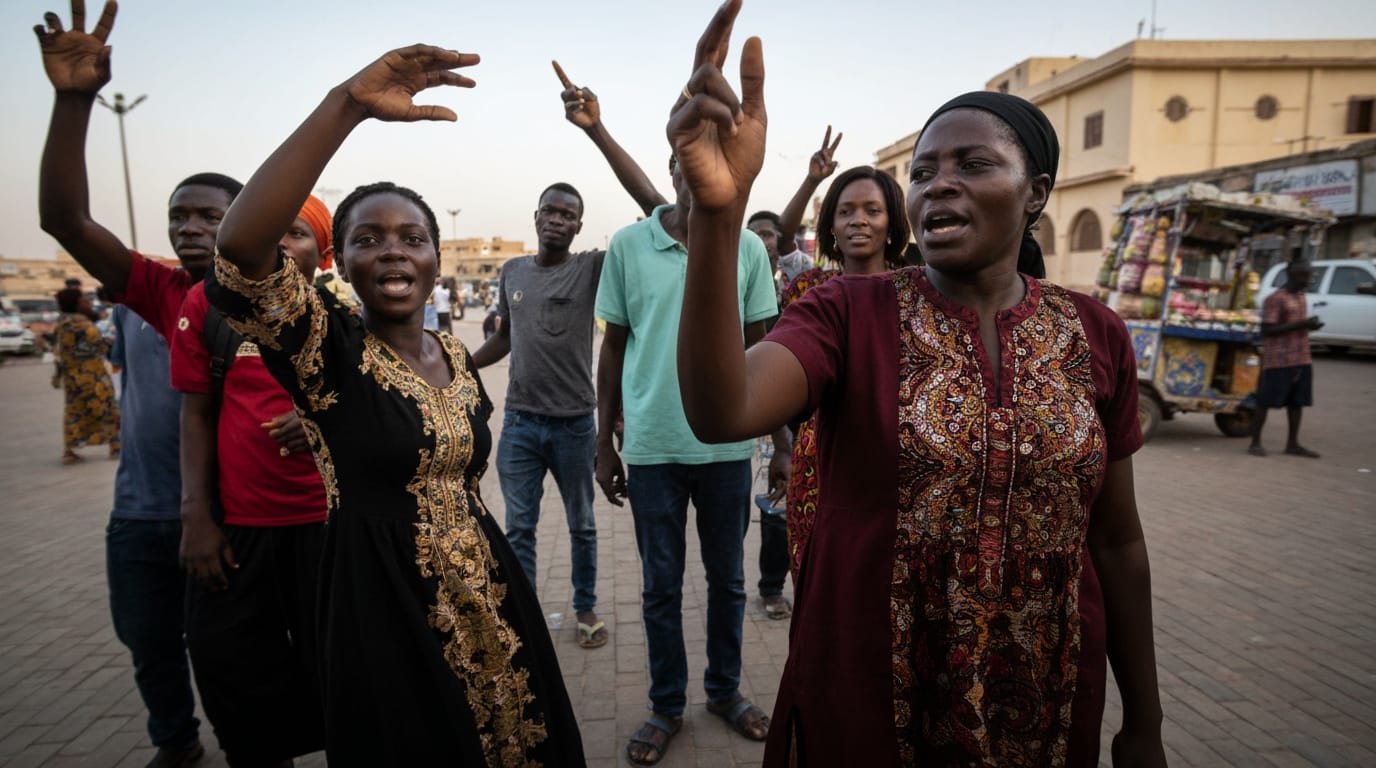
The proposed reforms have ignited a robust public debate, with differing perspectives on their intent and potential impact. Supporters frame the amendments as a necessary step toward democratic modernization and a vital rebalancing of governmental authority. They argue that these changes will enhance accountability and strengthen democratic institutions. However, critics, including presidential coalition leader Aminata Toure, view the reforms with skepticism, suggesting they are a calculated effort to weaken President Faye's influence and amplify the power of the head of the National Assembly, Ousmane Sonko. During the parliamentary session that approved the bill, tensions ran high, marked by heated exchanges, an opposition boycott, and scuffles outside the building where police deployed tear gas against protesters. An opposition lawmaker who attempted to delay the vote was reportedly forcibly removed from the chamber. This public outcry underscores the deep divisions and high stakes surrounding the proposed changes, as citizens grapple with the potential ramifications for their country's governance and stability.
Implications for Senegal's Future
The upcoming referendum carries profound implications for Senegal's democratic trajectory. If approved, the reforms would significantly alter the institutional framework, potentially ushering in an era where parliament, and by extension Speaker Sonko, wields considerable leverage over the executive. While the shared political roots of Faye and Sonko within the ruling PASTEF party may mitigate immediate institutional paralysis, a prolonged rivalry between the two leaders could lead to competing centers of power, slow policymaking, and weaken governmental coherence. For President Faye, the referendum presents an opportunity to secure public legitimacy for institutional reform, aligning with his 2024 election promises of reform and improved governance. For Sonko and PASTEF, it is a chance to solidify a more parliament-centric system within the nation's foundational document. The precise timing of the referendum remains unannounced, but its outcome will ultimately determine the future distribution of power and shape the character of Senegalese democracy for years to come. Ultimately, Senegalese voters will cast the decisive ballots, determining whether this redistribution of power becomes the country's new constitutional settlement.


