Germany Faces Growing Exodus of Immigrants Amidst Integration Challenges
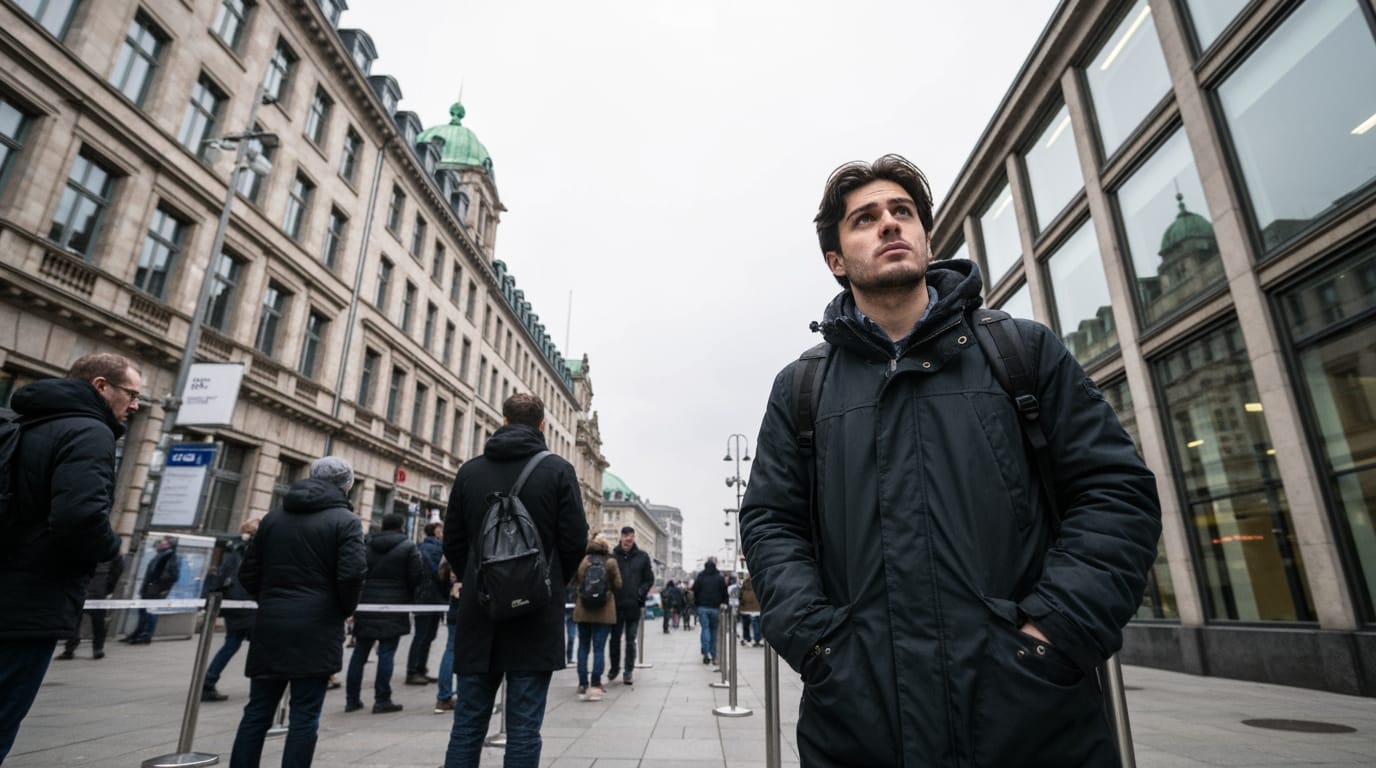
BERLIN — Germany, a nation increasingly reliant on foreign talent to sustain its economy and aging population, is grappling with a concerning trend: a rising number of immigrants are choosing to leave the country. Despite significant efforts to attract skilled workers, systemic barriers, persistent discrimination, and a perceived lack of social integration are prompting many to seek opportunities elsewhere, raising alarms about Germany's long-term economic competitiveness and social cohesion.
The Outflow Paradox: A Nation's Demographic Dilemma
Germany's demographic landscape underscores its critical need for immigration. As of 2024, approximately 20.9% of the population consists of first-generation immigrants, highlighting their integral role in society. The country’s labor market depends heavily on this influx, requiring an estimated 400,000 net immigrants annually just to maintain its workforce potential. However, recent studies paint a stark picture of dissatisfaction among these vital newcomers. Research by the Institute for Employment Research (IAB) indicates that roughly 26% of immigrants have considered leaving Germany within the past year, with about 3% having concrete plans to do so. This inclination to depart is particularly pronounced among the highly educated and economically successful, including professionals in critical sectors such as IT, finance, and healthcare, who are precisely the individuals Germany most urgently needs. For instance, 30-39% of surveyed professionals in knowledge-intensive sectors like IT and financial services indicated they might leave. This "outflow paradox"—attracting talent only to see it depart—poses a significant challenge to the nation's future.
Systemic Hurdles: Bureaucracy, Taxation, and Unrecognized Potential
Several structural issues contribute to immigrants' decisions to leave. Foremost among these is the notorious German bureaucracy. The complexity, slowness, and often digital deficiency of administrative processes, particularly within immigration offices, create immense frustration and can disrupt carefully laid relocation plans. Immigrants frequently face lengthy waiting periods for appointments and unpredictable processing times that can extend for months or even up to a year, hindering their ability to settle and work efficiently. Beyond administrative burdens, Germany's tax system is another frequently cited point of dissatisfaction. Many highly skilled individuals find the high tax burden unattractive, especially when compared to earning potential and quality of life in other countries. This financial disincentive can make alternative destinations, like Switzerland or Canada, more appealing.
A significant challenge also lies in the professional realm, where many immigrants, despite holding advanced degrees and specialized skills, struggle to find employment commensurate with their qualifications. Foreign qualifications are often not readily recognized, leading to underemployment and a pervasive feeling of "wasted talent". For example, only 30% of refugees with a university degree in Germany work in jobs matching their qualifications. This underutilization of skills not only impacts individual career progression but also represents a missed opportunity for the German economy, which is experiencing significant labor shortages.
The Shadow of Discrimination and Social Alienation
Beyond practical impediments, the human experience of discrimination and a lack of social inclusion are powerful drivers behind immigrant departures. Studies reveal that a substantial portion of immigrants, and an even higher percentage of their descendants, have personally experienced discrimination in various aspects of daily life, including at work, in housing, in public spaces, and when interacting with authorities. This prevalent experience of prejudice fosters a sense of not being fully accepted or valued, leading many to feel like "second-class citizens". Christian Dustmann, an expert on migrant emigration, emphasizes that successful integration depends not only on language proficiency but also on a welcoming atmosphere. However, many immigrants report feeling "not at all" or only "slightly" welcome, contributing to social isolation and a lack of emotional connection to Germany.
The current political climate further exacerbates these feelings of exclusion. The rise of populist and far-right parties, coupled with increasingly stringent migration policies from mainstream political actors, has created an environment where many immigrants feel marginalized. Rhetoric that questions the value of immigration or promotes restrictive measures can deeply impact the sense of belonging for those who have chosen Germany as their home. As one refugee advocacy group noted, people cannot be expected to stay where they do not feel safe or respected.
Economic and Societal Implications: A Wake-Up Call
The continuous outflow of immigrants, particularly skilled professionals, carries severe implications for Germany. Economically, it undermines efforts to address critical labor shortages in key industries and endangers the nation's ability to innovate and compete on a global scale. The loss of human capital directly impacts productivity and future growth, given that immigrants already contribute significantly to the workforce, with the entire increase in employment in recent years attributed to individuals with foreign nationality.
Societally, the trend risks tarnishing Germany's image as an attractive and welcoming destination for international talent, potentially deterring future immigrants who are essential for the country's demographic future. The Federal Government's Commissioner for Integration, Reem Alabali-Radovan, described the findings of recent studies as a "wake-up call," urging a renewed focus on creating an environment where every individual feels valued and supported.
Conclusion: Charting a Course for Retention
Germany stands at a critical juncture. While it has successfully attracted a large immigrant population over the years, retaining them, especially the highly skilled, requires a concerted effort to dismantle existing barriers. Addressing bureaucratic inefficiencies, reassessing tax burdens, and ensuring that foreign qualifications are appropriately recognized are crucial first steps. More profoundly, Germany must cultivate a genuinely inclusive society where discrimination is actively combated, and a welcoming culture is not merely an aspiration but a lived reality for all residents. Without these fundamental changes, the drain of valuable human capital will continue, jeopardizing Germany's economic prosperity and its vision of a diverse and integrated society.


