African Parliaments See Rise in Women Lawmakers, Yet Full Equality Remains Distant Goal
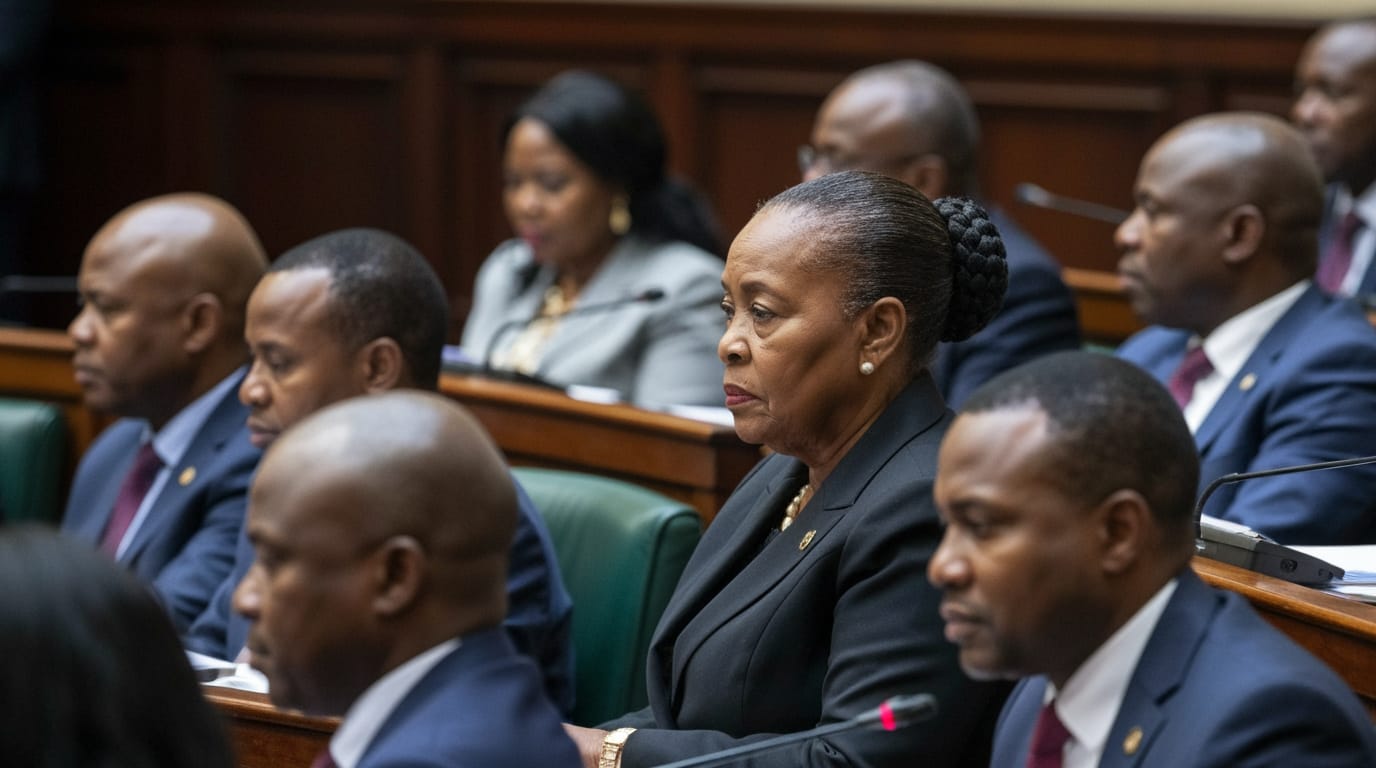
Across the African continent, a notable surge in the representation of women within national parliaments marks a significant, albeit incomplete, step towards gender parity in political leadership. Recent data from the Inter-Parliamentary Union (IPU) reveals that while progress globally remains incremental, Sub-Saharan Africa has emerged as a beacon of advancement, recording the highest regional increase in female parliamentarians in 2023. This upward trend is largely attributable to deliberate policy reforms, including gender quotas, which have fundamentally reshaped legislative bodies in several nations. Despite these gains, deep-seated cultural, economic, and institutional barriers continue to impede the full and equitable participation of women, underscoring that the journey to true political equality is far from over.
The Ascendance of African Women in Legislatures
The landscape of African politics is slowly but surely transforming, with more women occupying seats of power than ever before. The Inter-Parliamentary Union's 2023 report indicates that the share of women in national parliaments globally saw only a marginal rise of 0.4% between January 2023 and January 2024. However, within this global context, the Sub-Saharan African region distinguished itself with a significant breakthrough, experiencing a 3.9% increase in women elected in 2023 – the highest improvement among all regions worldwide. This regional momentum highlights a growing recognition of the crucial role women play in solid and inclusive democratic systems, essential for developing and implementing policies that safeguard gender equality and the rights of women and girls.
Leading this continental shift is Rwanda, which consistently holds the global top position for women's parliamentary representation. As of recent reports, women hold an impressive 61.3% to 63.8% of seats in the Rwandan Chamber of Deputies. This achievement is particularly striking given the global average for women in parliament stands significantly lower. Beyond Rwanda, other African nations have also demonstrated remarkable progress. South Africa boasts 44.7% female representation in its parliament, followed closely by Cabo Verde with 44.4%, Ethiopia with 41.9%, and Senegal with 41.2%. Namibia and Mozambique also show strong female presence, with 40.6% and 39.2% respectively. These figures illustrate a powerful narrative of change, showcasing how political will and concerted efforts can lead to tangible increases in women's political agency.
The Quota Conundrum: A Double-Edged Sword for Representation
A primary driver behind the enhanced representation of women in African parliaments has been the widespread adoption of gender quotas and other affirmative action policies. The IPU report highlights that, on average, legislative chambers implementing some form of quota elected 28.8% women in the past year, a notable contrast to the 23.2% in chambers without such provisions. The impact of these policies is evident in countries like Benin and Sierra Leone, which recorded significant gains in women's parliamentary representation after introducing new quota laws. Rwanda's success story is deeply rooted in its constitutional quota, established in 2003, which mandates a minimum of 30% women in all decision-making bodies, including parliament. This foundational commitment has allowed women to surpass the initial quota, demonstrating the potential of such mechanisms to accelerate progress.
However, the effectiveness and implications of quotas remain a subject of ongoing debate. While undoubtedly successful in boosting numbers, a critical question persists: do these numerical gains translate into substantive power and influence, or are they sometimes a symbolic victory? Research suggests that while quotas place women in public office, their ability to influence policy-making and advance comprehensive gender equality may still be constrained. Critics argue that the mere presence of women in high office does not automatically lead to transformative change, as structural and institutional constraints can limit their capacity to implement a robust feminist policy agenda. For instance, despite Rwanda's world-leading parliamentary representation, the country has yet to see a woman president. The challenge, therefore, lies not just in getting women into parliament, but in empowering them to wield genuine legislative and political power that addresses broader gender inequalities across society.
Persistent Barriers and the Elusive Pursuit of Equality
Despite the encouraging trends, the path to full gender equality in African politics is fraught with persistent challenges. The "equality eludes" aspect of the narrative is evident in the myriad obstacles women encounter, ranging from institutional biases within political parties to profound societal hurdles. Patriarchal political structures, deeply entrenched cultural norms, and socio-economic disparities often marginalize women, limiting their access to public spaces and decision-making platforms.
Specific impediments include inadequate childcare, limited access to healthcare, and significant economic constraints, all of which disproportionately affect women's ability to participate in political life. Financial barriers are particularly acute, as politics is often an expensive endeavor, and women frequently lack the economic resources or party funding enjoyed by their male counterparts. Moreover, the political environment itself can be hostile, characterized by violence, sexual harassment within party ranks, and brutal online attacks. Public perception also plays a critical role, with women candidates often facing intense scrutiny, sexist attacks, and negative stereotyping in media and political discourse.
The uneven nature of progress further highlights the elusive quality of equality. While some nations soar, others lag significantly. Nigeria, for example, stands out as one of the countries with the lowest representation of women in parliament globally, with only 2.7% in the Senate and 4.7% in the House of Representatives as of early 2023. This stark disparity underscores that legislative frameworks and political will vary drastically across the continent. Disturbingly, reports indicate that gender parity in African parliaments may not be achieved until the year 2000 (presumably meaning 2000, 76 years from now, rather than 2030 SDG targets), signaling an exceptionally slow trajectory of change if current rates persist. This projection highlights the urgent need for accelerated efforts and comprehensive strategies beyond merely increasing numbers.
The Impact and The Road Ahead
The increasing presence of women in African parliaments is more than a statistical achievement; it is a critical development for inclusive governance and the advancement of human rights. Women's representation is vital for introducing diverse perspectives, addressing gender-specific issues, and crafting legislation that benefits all segments of society. Studies suggest that higher levels of women's representation are associated with increased budget expenditures on public health and more durable post-conflict peace. In Uganda, for instance, a rise in female parliamentarians has been linked to the enactment of laws crucial to women, such as those addressing female genital mutilation and domestic violence. Female lawmakers also serve as powerful role models, inspiring future generations of women and girls to engage in public life.
Despite the challenges, the positive trajectory in many African nations demonstrates a growing continental commitment to more equitable and inclusive governance. The "African Moment" for women in politics is gaining momentum, challenging long-standing norms and fostering a new era where leadership is increasingly defined by capability rather than gender. However, sustaining this progress and accelerating the pace towards genuine equality demands an unwavering commitment to structural transformation. This includes not only maintaining and strengthening gender quotas but also dismantling systemic barriers within political parties, addressing financial disparities, combating online harassment and violence, and fostering a cultural environment that champions women's leadership. The journey towards full political equality for women in Africa is complex and multifaceted, requiring continuous advocacy, political will, and a societal shift that truly values and empowers women as decision-makers. The numbers are moving in the right direction, but the substance of equality remains a hard-fought battle.


