Algeria's Parliamentary Vote: A Test of Change or Continuity?
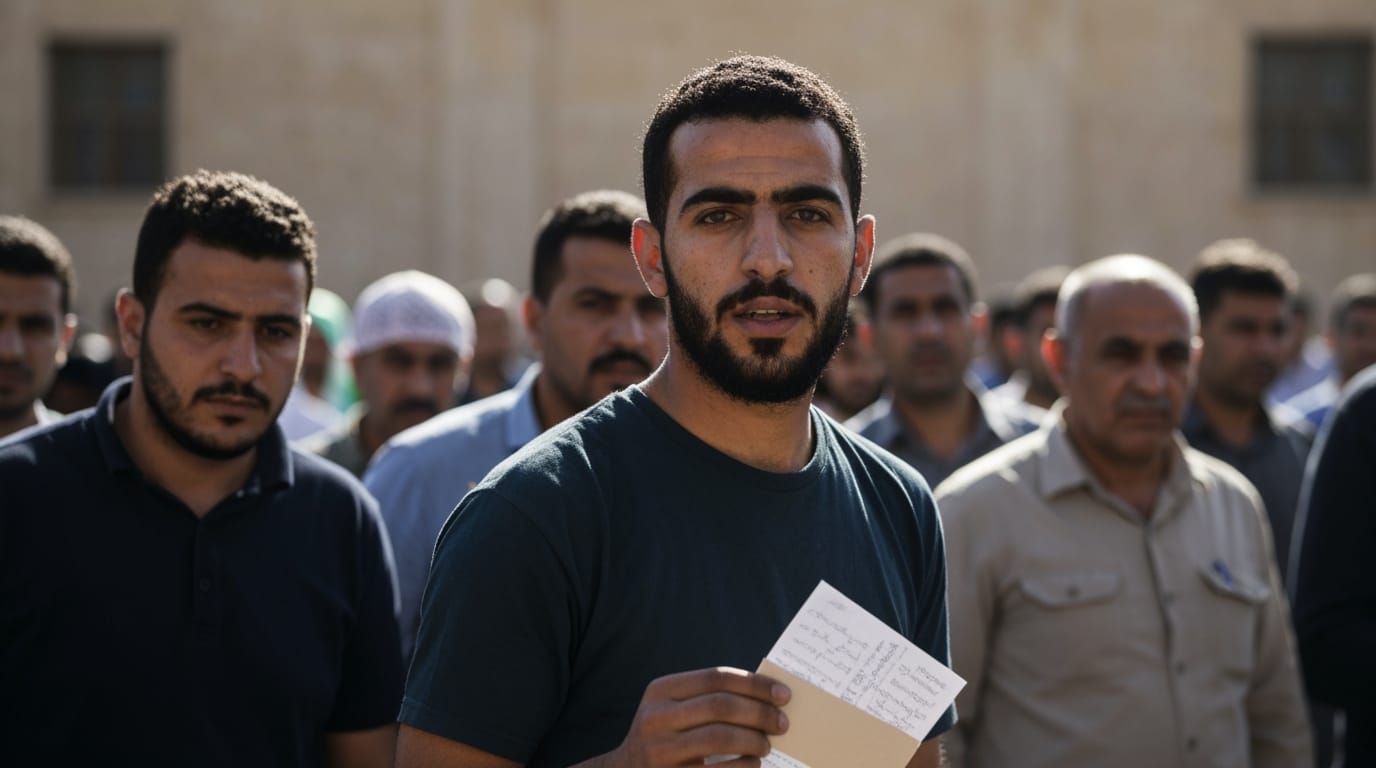
ALGIERS, Algeria – As Algerians prepare to cast their ballots on July 2, 2026, for a new parliamentary assembly, the nation finds itself at a critical juncture, seven years after the historic Hirak protest movement swept through the country. This upcoming election, which will determine the 407 members of the People's National Assembly, is widely viewed as a test of whether genuine political change is taking root or if the nation is settling into a pattern of continuity under existing power structures. The vote unfolds against a backdrop of persistent public skepticism, evidenced by historically low voter turnouts in previous elections, and a government narrative emphasizing institutional strengthening in the wake of significant social unrest.
The Road to the Ballot Box: Promises of a "New Algeria"
The parliamentary elections scheduled for July 2, 2026, are a direct outcome of President Abdelmadjid Tebboune's efforts to steer Algeria through a period of reform following the 2019 Hirak movement. This mass mobilization, which ultimately led to the resignation of long-serving President Abdelaziz Bouteflika, demanded fundamental changes and a transition to a "civilian, not military state." President Tebboune has consistently framed these electoral processes as integral to building a "new Algeria" and solidifying democratic institutions. His administration maintains that the reforms undertaken have successfully bolstered institutions and ensured national stability.
The current vote follows the 2021 parliamentary elections, which were the first of their kind after the Hirak movement and the subsequent constitutional amendments of 2020. These changes introduced a new electoral law and dissolved the previous parliament to pave the way for snap elections. More recently, in March 2026, major constitutional reforms were enacted, including adjustments to the executive power structure and how seats in the Council of the Nation are allocated. The government also points to more limited reforms, such as increased spending on housing and education, as measures designed to alleviate domestic unrest and improve citizens' lives. The Independent National Authority of Elections (ANIE) is supervising the election, with over 24.7 million registered voters, including approximately 854,000 Algerians living abroad, eligible to participate.
Public Apathy and the Shadow of Low Turnout
Despite the official narrative of reform, a significant challenge facing the legitimacy of the upcoming elections is the pervasive public apathy and the expectation of low voter turnout. The 2021 parliamentary elections saw a historically low participation rate of just 23%, a sharp decline from the 35.37% recorded in 2017. This widespread disengagement is a clear indicator of a lack of public confidence in the political system, and analysts anticipate similar trends for the 2026 vote.
The reasons for this skepticism are multifaceted. Critics argue that despite the electoral exercises, executive power largely remains dominant, rendering the parliament's legislative role limited. The military's perceived influence over civilian institutions is another significant concern, with some suggesting a return to praetorian control. The memory of the 2019 elections, which were described as "deeply flawed" and designed to ensure the continuity of the ruling elite, continues to resonate with many Algerians. Furthermore, the 2021 elections were largely seen as failing to usher in a genuine renewal of the political class.
The government's insistence on holding elections under conditions largely inherited from the pre-Hirak era, despite popular dissatisfaction, has further fueled distrust. Even President Tebboune, commenting on a previous election, acknowledged that "voter turnout is not very significant. What counts is the legitimacy provided by the ballot box," a statement that some interpret as a tacit acceptance of low participation as long as the process formally concludes.
Constrained Political Space and Economic Hardship
The environment in which these elections are taking place is characterized by continued restrictions on political activity and freedom of expression. Opposition parties and civil society organizations report that tighter electoral laws have increased state oversight, limiting their ability to genuinely compete. Activists associated with the Hirak movement have faced prosecution and restrictions, with human rights groups like Amnesty International and Human Rights Watch raising concerns about the ongoing clampdown on dissent. Critical voices, including journalists and those expressing opinions online, continue to be targeted, creating a climate where public debate around the elections is significantly constrained. The government, however, dismisses such criticisms, asserting that its reforms have expanded political participation while safeguarding stability.
Adding to the political challenges are severe economic difficulties impacting the daily lives of Algerians. A persistent cost-of-living crisis, marked by the depreciation of the dinar and surging food prices, has deepened public disengagement from a political process many view as irrelevant to their immediate struggles. Reports indicate violence in marketplaces and families struggling to afford basic necessities. For many citizens facing such hardships, the prospect of a predetermined parliament offers little hope for tangible improvements in their circumstances.
A Fragmented Opposition and the Question of Engagement
The landscape of political opposition in Algeria remains fragmented, though some shifts are noticeable for the 2026 elections. Historically, a significant portion of the opposition, including parties like the Socialist Forces Front (FFS) and the Workers' Party (PT), boycotted the 2021 vote, deeming the process insufficiently reformed. However, some of these parties are reportedly participating in the 2026 elections, reflecting an ongoing internal debate within opposition ranks about whether engagement or boycott offers a more effective path to influence and change.
The outgoing parliament, formed after the 2021 elections, saw the National Liberation Front (FLN) secure a plurality of seats (105 out of 407), followed by the Movement of Society for Peace (MSP) and the National Democratic Rally (RND). While no single party achieved an outright majority, these results typically reinforce a pro-government bloc that tends to support the president's policies. The upcoming election is widely anticipated to yield a similar composition, reinforcing the existing pro-government majority and signaling policy continuity.
Conclusion: A Winding Path to Transformation
As Algeria approaches its parliamentary elections, the central question of whether the nation is truly on a path to profound change or merely maintaining a façade of reform remains unanswered. The government, under President Tebboune, presents the elections as a vital component of a "new Algeria" and a testament to strengthening institutions following the Hirak movement. It highlights constitutional reforms and efforts to address social welfare as evidence of progress.
However, the persistent low voter turnout, the perceived dominance of executive power, restrictions on political freedoms, and a deepening economic crisis cast a long shadow over these claims. Critics and human rights organizations point to a shrinking civic space and a continued lack of genuine political pluralism. While the Hirak movement successfully dislodged a long-standing president and sparked a desire for a more democratic state, the subsequent electoral processes have largely been seen by many as insufficient to meet these demands. The 2026 parliamentary elections, therefore, represent not just a democratic exercise, but a reflection of the ongoing tension between a state seeking to consolidate its narrative of stability and a populace yearning for more fundamental and visible transformation. The coming months will reveal if the newly elected assembly can bridge this gap and usher in the "real change" many Algerians have long awaited.


