Russia's Unprecedented Fuel Crisis: A Litmus Test for Putin's Stability Amidst Intensified Ukrainian Strikes
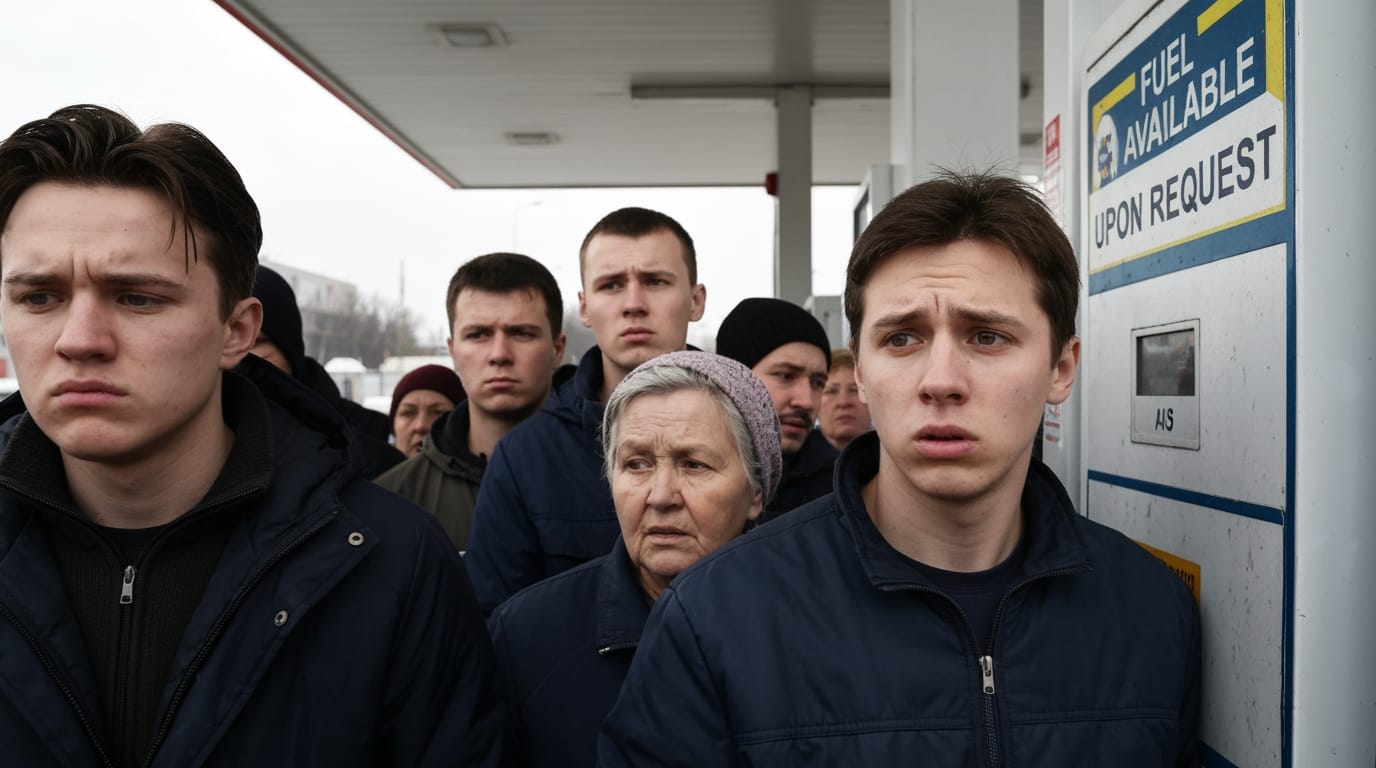
Russia, one of the world's foremost energy producers and exporters, is grappling with an escalating domestic fuel crisis, a direct and unprecedented consequence of a sustained campaign of Ukrainian drone attacks on its critical oil infrastructure. The widespread shortages, rationing, and soaring prices at the pump have forced President Vladimir Putin to publicly acknowledge the "obvious" problems, triggering a rare moment of public frustration and raising questions about the Kremlin's ability to maintain economic stability and public morale amidst the ongoing conflict. This crisis, intensifying since mid-2025, has exposed vulnerabilities in Russia's industrial capacity and its implicit social contract with its citizens, presenting a significant challenge to Putin's administration.
The Anatomy of a Shortage: Refining Capacity Under Siege
The genesis of Russia's severe fuel shortages can be traced to a dramatic increase in Ukrainian drone attacks targeting Russian oil refineries, terminals, and pipelines. This strategic offensive, significantly ramped up from August 2025, has inflicted substantial damage, crippling a significant portion of Russia's refining capabilities. Industry sources indicate that Russian gasoline production has plummeted by approximately 25% compared to June of the previous year, while overall oil processing in June reached its lowest level in over two decades, down 25% from a year ago. Experts, including the International Energy Agency (IEA), have described the level of disruption as "unprecedented" in the history of the conflict, with roughly one-third of Russia's total oil refining capacity now offline.
The physical manifestation of these attacks is evident across the vast Russian landscape. Reports confirm that at least 56 of Russia's 83 federal entities have implemented mandatory fuel rationing, or are experiencing restrictions imposed by private fuel companies. Long queues at gas stations have become a common sight, with some motorists reporting waits of several hours to fill their tanks. In some areas, pumps have run dry, leading to gas station closures. The situation is particularly acute in Russian-annexed Crimea, where authorities declared a state of emergency and temporarily halted civilian gasoline sales due to disrupted logistics and oil infrastructure. Even Moscow, typically shielded from such economic shocks, has seen gasoline limits and frustrated drivers. The Kapotnya refinery, a major fuel supplier to the Moscow region, has been hit multiple times and is expected to remain offline until at least the end of 2026.
Kremlin's Response: Downplaying, Importing, and Diluting
In the face of growing public discontent and undeniable evidence, President Putin acknowledged the existence of fuel problems, though he maintained that the shortages were "not critical" and "temporary." This admission marks a departure from the Kremlin's usual narrative, highlighting the undeniable impact of the Ukrainian strikes within Russia's borders. To mitigate the crisis, Moscow has initiated several measures. The Kremlin confirmed it is actively negotiating with other countries to import fuel, a rare step for a nation known for its vast energy reserves. Kazakhstan has been cited as a potential source for 50,000 metric tons of AI-92 gasoline.
Domestically, Russia has banned exports of gasoline and jet fuel, and is considering a comprehensive ban on diesel exports. In a move that underscores the severity of the supply crunch, the government is reportedly contemplating a temporary relaxation of environmental standards, potentially allowing the production and import of lower-quality Euro-2 standard gasoline and diesel until July 2027. This standard, with higher sulfur content, was banned in Russia in 2013. Furthermore, the State Duma passed tax code changes to create government subsidies aimed at funding fuel imports. While the Kremlin publicly seeks to reassure its citizens, an order from Prime Minister Mikhail Mishustin for the state statistics agency to suspend weekly public reports on fuel prices suggests an attempt to manage public perception, though the agency later stated it would continue publishing data.
Economic Ripple Effects: Eroding the Social Contract
The fuel crisis is not an isolated incident but rather exacerbates Russia's broader economic struggles, which have been compounded by the costs of the war, labor shortages, and international sanctions. The Russian economy has seen stagnant growth figures of 1% for 2025 and projections for 2026, juxtaposed against inflation rates of 5% to 9%. The Kremlin's budget deficit has doubled over the past year, and depleted reserves have eroded Russia's economic cushion, making it harder to control inflation and interest rates. The fuel shortages add to these pressures, potentially hindering agricultural operations and other key sectors reliant on consistent fuel supplies.
For ordinary Russians, the crisis represents a tangible breach of the implicit social contract where citizens accept authoritarian governance in exchange for stability and economic benefits, including historically subsidized fuel prices. With increased tax burdens on the population and reports of President Putin soliciting "donations" from oligarchs, the financial strain on both the populace and the elite is intensifying. Maksim Blant, an economic analyst, posits that the fuel shortage could become a "trigger that could cause the whole economy to go down," particularly against the backdrop of an "unprecedented budget deficit."
Political Pressure and Public Discontent: The War Comes Home
The fuel crisis has brought the realities of the war directly to the doorsteps of ordinary Russians, a factor that could increasingly challenge President Putin's political standing. Social media platforms are awash with videos of frustrated motorists, long lines, and even reports of brawls erupting at gas stations, highlighting the simmering public anger. Satirical memes, including one mocking a past Putin statement about Russia no longer being just a "gas station," have circulated widely, reflecting a sense of disillusionment. A recent Gallup poll, conducted between March and May, indicated increasing economic pessimism among Russians, with 60% believing economic conditions were worsening, even before the fuel situation fully deteriorated.
Ukrainian President Volodymyr Zelenskyy has openly stated that the drone campaign against Russian infrastructure is intended to weaken Russia's war effort and pressure Moscow into ending the conflict. The ongoing disruption of daily life through fuel shortages chips away at the Kremlin's narrative of a successful military campaign and an impervious domestic front. The political difficulty for Putin to maintain the war effort increases as the stalemate continues and the war's consequences become more acutely felt at home. The crisis presents a stark contrast to Russia's self-image as an energy superpower, forcing it to confront vulnerabilities it once projected onto its adversaries.
Conclusion: A Race Against Repairs and Public Patience
Russia's escalating fuel crisis is more than just an economic inconvenience; it is a profound indicator of the war's widening impact, testing the resilience of Russia's economy and the patience of its populace. The ongoing "race between Ukrainian drones and Russian repair teams" will determine the crisis's longer-term trajectory. While the Kremlin scrambles to import fuel, repair damaged infrastructure, and reassure its citizens, the unprecedented nature of these shortages signals a significant and growing pressure point for President Putin. The crisis serves as a stark reminder that even a global energy giant is susceptible to targeted disruptions, and that the domestic consequences of war can eventually reach even the most insulated populations. The question remains how long the implicit social contract can withstand the strains of economic hardship and daily frustrations brought about by a conflict fought far from home, yet increasingly felt within Russia's own borders.


