Japan Embraces Joint Custody, Reshaping Nation's Divorce Landscape
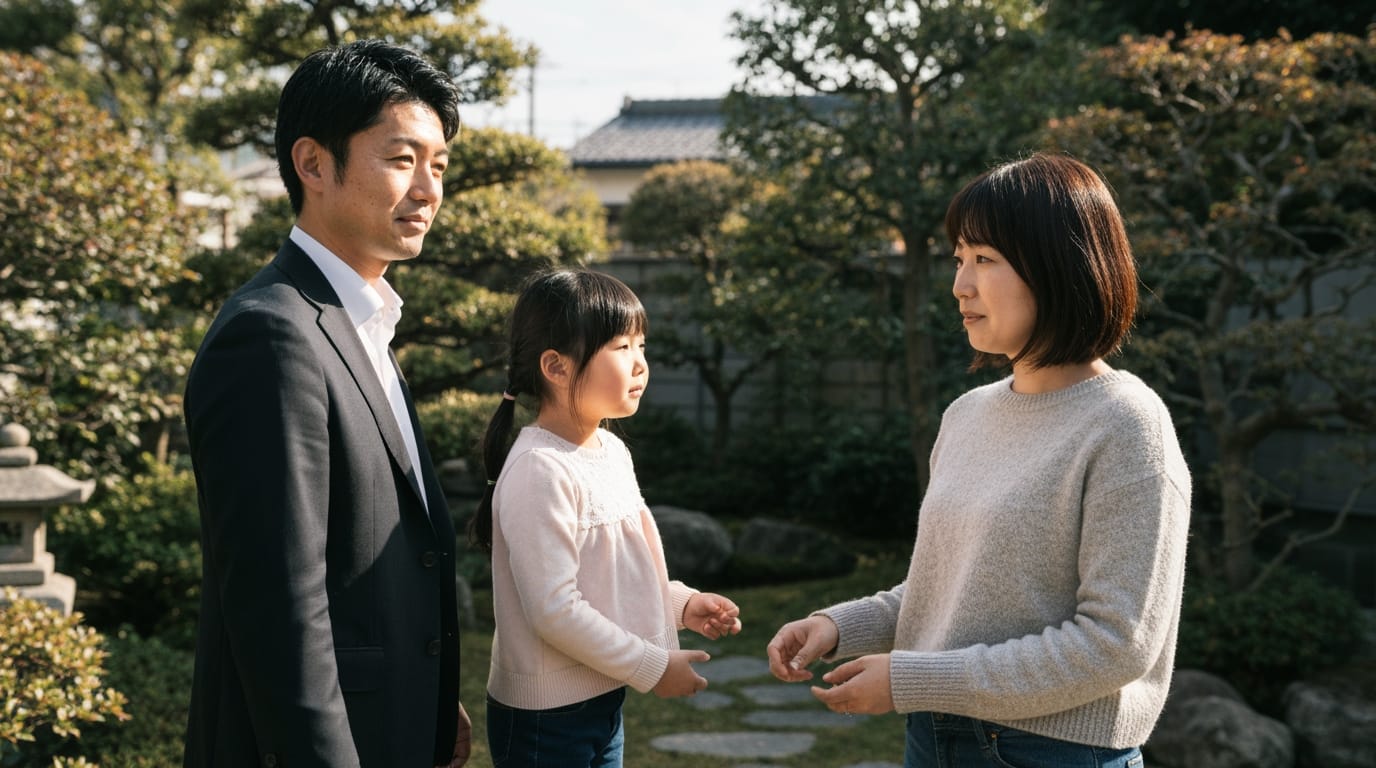
Tokyo, Japan – Japan has ushered in a new era for divorced families with the implementation of a landmark joint custody law, effective April 1, 2026. This pivotal revision to the Civil Code, the first significant overhaul in family law in over a century, dismantles a long-standing sole custody system that had made Japan an outlier among developed nations. While proponents hail the change as a vital step towards ensuring children maintain relationships with both parents, the reform also ignites fervent debate, particularly regarding the potential risks for survivors of domestic violence.
A Century of Sole Custody Ends: The Old System's Grip
For generations, Japan's legal framework mandated sole custody following a divorce, meaning only one parent held "parental authority" (shinken) over children. This system, in place since 1947, effectively left the non-custodial parent with no legal standing in critical decisions concerning their child's education, medical care, or residence. While legally gender-neutral, mothers were typically granted custody in the vast majority of cases, largely due to courts prioritizing primary caregiving history. The consequences of this arrangement were often severe: a 2021 government study revealed that approximately one-third of children whose parents divorced ultimately lost all contact with the non-custodial parent within five years. This reality spurred criticism from various quarters, including international organizations and parents who found themselves abruptly cut off from their children, leading to calls for modernization and alignment with global standards.
The New Framework: Choice and Shared Responsibility
Under the revised Civil Code, divorcing parents now have the option to choose between joint custody or retaining sole custody through mutual agreement. If parents are unable to reach a consensus, a family court will intervene to determine the most appropriate arrangement, prioritizing the child's best interests. Joint custody under the new law signifies a shared "parental authority," requiring both parents to make major decisions collaboratively, such as relocation, school choice, and significant medical treatments. However, the parent primarily caring for the child on a day-to-day basis can still make routine decisions, including those related to meals and extracurricular activities, independently. The reform also extends its reach to families already divorced before April 1, 2026, allowing them to petition family courts to transition to a joint custody arrangement. This retroactivity is anticipated to generate a significant volume of applications.
Addressing Financial Realities: Child Support Reforms
Beyond custody, the new legislation introduces critical reforms to Japan's child support system, historically criticized for its weak enforcement. The revised law establishes a statutory minimum child support amount of ¥20,000 (approximately $125 to $130 USD) per child per month. This amount can now be claimed provisionally, even without a full agreement or court order, aiming to provide immediate financial stability for custodial parents. Furthermore, the changes grant unpaid child support claims priority over other debts and simplify collection procedures, enhancing the likelihood of consistent payments from non-custodial parents. These financial provisions are viewed as essential complements to the custody changes, recognizing that shared responsibility extends beyond decision-making to economic support for children's upbringing.
Hopes and Apprehensions: The Domestic Violence Debate
The introduction of joint custody has been met with a spectrum of reactions, balancing optimism for children's welfare with serious concerns from women's rights advocates and domestic violence support groups. Supporters believe the law will foster stronger parent-child bonds, allowing children to benefit from the continued involvement of both parents after divorce. Many parents, particularly fathers, who felt marginalized by the previous sole custody system, see this as a long-awaited opportunity to play a meaningful role in their children's lives.
However, a significant wave of apprehension centers on the potential for joint custody to expose survivors of domestic violence (DV) and child abuse to continued contact and control from abusive former partners. Critics highlight that Japan's family courts have historically faced challenges in identifying and adequately responding to DV claims. While the new law includes safeguards, stipulating that courts must grant sole parental authority if joint custody would harm a child's welfare due to physical or mental risk, or if violence makes joint decision-making impracticable, concerns persist. Advocates worry that emotional abuse or coercive control can be difficult to prove in court, potentially forcing vulnerable spouses into ongoing interactions that perpetuate abuse. A petition opposing joint custody, citing fears over domestic violence, garnered over 240,000 signatures in 2024, demonstrating the depth of public concern. Protests have also taken place, with participants expressing fears that the system could impede escape from abusive situations.
The new law necessitates careful consideration and robust implementation of these safeguards to balance the benefits of shared parenting with the imperative to protect vulnerable individuals.
A Continuing Evolution for Japanese Families
Japan's new joint custody law represents a monumental shift, fundamentally altering the landscape of divorce and family dynamics across the nation. By ending a century-old practice, the country aligns itself with international norms, aspiring to prioritize the "best interests of the child" by promoting involvement from both parents. Yet, the debate surrounding its implementation underscores the complex social challenges inherent in such a profound legal change. The success of this reform will ultimately hinge on the nuanced application of the law by family courts, the effectiveness of child support enforcement, and the vigilance with which safeguards against domestic violence are upheld. As Japanese families navigate these new legal pathways, the coming years will reveal the true impact of this transformative legislation on children, parents, and society at large.


