American Homeowners Turn to Homegrown Power as Energy Costs Soar
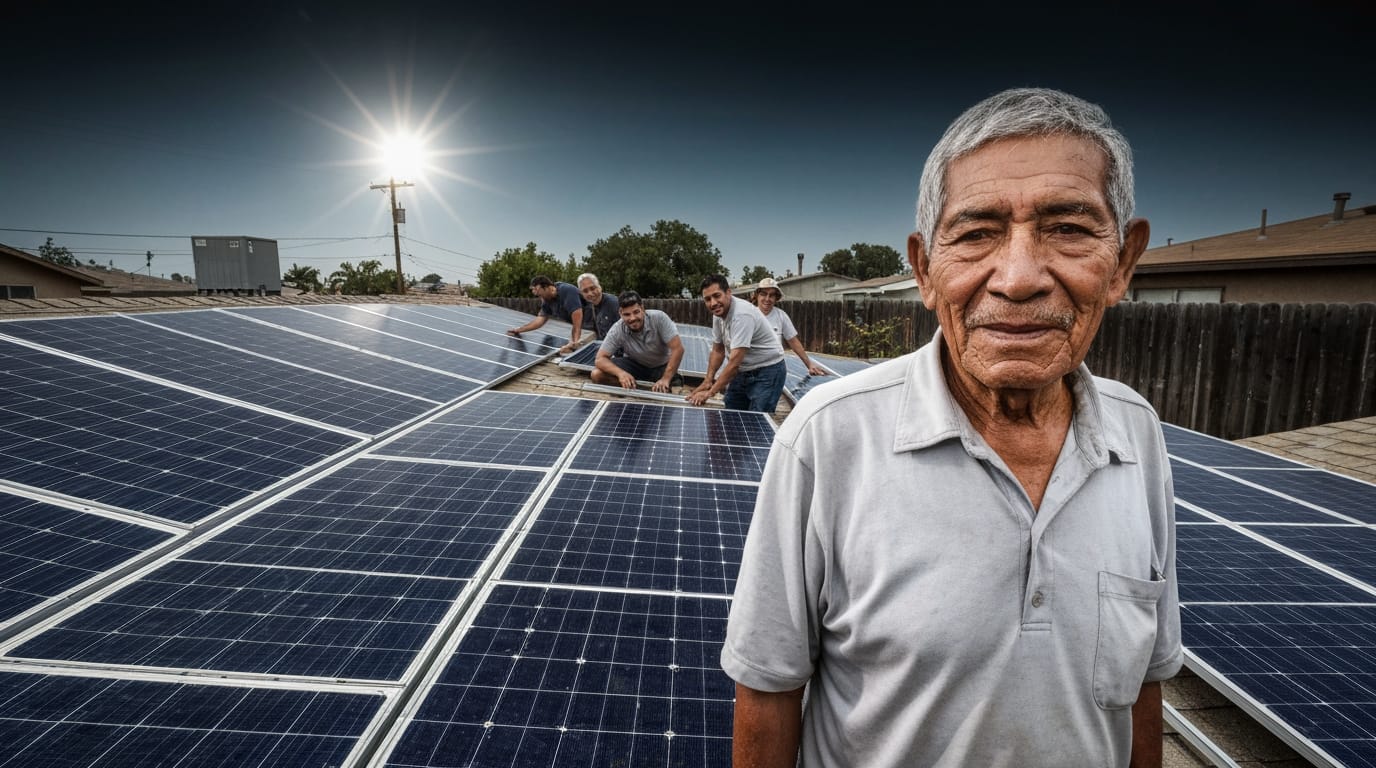
WASHINGTON D.C. — A growing number of American households are actively combating the relentless climb of energy bills by investing in self-sufficient, homegrown power solutions. Faced with escalating electricity costs and an increasing desire for energy independence, homeowners across the nation are accelerating the adoption of residential solar panels and integrated battery storage systems, fundamentally reshaping the domestic energy landscape. This shift represents a proactive response to economic pressures and a broader move toward sustainable living, promising both financial relief and enhanced resilience for millions.
The Escalating Energy Burden on American Households
For many American families, the cost of keeping the lights on has become a significant financial strain. In early 2026, electricity prices saw an increase of over 10% year-over-year, outpacing the general rate of inflation. This surge has left approximately one in three U.S. households, or over 80 million Americans, struggling to pay or falling behind on their utility bills. Debts that were once typically in the hundreds of dollars now frequently reach $6,000 or more, forcing difficult choices between essential utilities and other necessities like food or medicine.
The national average for household electricity spending reached $1,760 in 2023, ranking second only to gasoline expenditures. Forecasts indicate residential electricity costs are projected to climb an additional 13-18% by 2026. Contributing factors to these rising costs include infrastructure changes required for data centers, which consume a substantial share of generated energy, and the passing of these increased operational costs onto consumers by power companies. The volatility of traditional energy sources, tied to global markets and susceptible to international conflicts, further underscores the appeal of more stable, localized alternatives.
The Solar Surge: Powering Homes with the Sun
In response to these financial pressures and a burgeoning environmental consciousness, residential solar energy adoption has seen a notable advancement across the United States. As of 2024, approximately 4.2 million single-family homes, representing nearly 5% of all eligible homes nationwide, are equipped with solar installations. This equates to an estimated 105 to 126 million solar panels adorning residential rooftops across the country.
The benefits of installing a solar array extend beyond mere energy cost savings, though that remains a primary motivator. Homeowners with solar systems can significantly reduce their monthly utility bills, with exact savings dependent on factors such as electricity consumption, system size, local electricity rates, and hours of direct sunlight. Moreover, solar installations are increasingly recognized as a valuable home improvement. Homes equipped with solar panels in the U.S. now sell for an average of 6.9% more than comparable properties without them, a substantial increase from the 4.1% premium documented in 2019. For a median U.S. home valued at approximately $417,000, this 6.9% premium translates to an additional property value of roughly $28,000-$29,000. Considering the average residential solar installation costs around $19,000, homeowners are realizing an immediate return on investment of approximately $10,000. This value impact can vary regionally, with Seattle leading the nation with a 9.3% premium for solar homes, while California shows a healthy 5.4% premium despite its market saturation.
The residential solar market experienced significant growth in previous years, with installations surging 24% year-over-year in the first three quarters of 2023. While 2024 saw a contraction in installations, primarily due to higher interest rates and policy changes in key states like California, a modest recovery is projected for 2025.
Beyond the Panels: Battery Storage and Grid Resilience
While solar panels generate clean electricity, the integration of home battery storage systems is increasingly becoming a crucial component for true energy independence and resilience. These systems act as large, rechargeable power banks, storing excess electricity generated by solar panels during peak production hours or drawn from the grid during off-peak times. This stored energy can then be utilized when solar production is low, during peak pricing periods to reduce costs, or crucially, to provide backup power during grid outages.
The U.S. residential energy storage market is experiencing rapid growth, projected to reach approximately $8.09 billion by 2025 and nearly $38.50 billion by 2033. This expansion is driven by a combination of factors including declining battery costs, supportive policies, and the increasing frequency of power shut-offs due to severe weather events and grid constraints, which heighten awareness of reliance on the utility network. Homeowners are increasingly pairing batteries with rooftop solar systems to optimize self-consumption and ensure backup power. The residential storage market expanded 608 megawatts in Q2 2025, marking a 132% increase year-over-year, with California, Arizona, and Illinois leading this growth.
The cost of installing home battery storage typically ranges between $6,000 and $18,000, with the average homeowner spending about $10,000. The size of the battery system, measured in kilowatt-hours (kWh), is the biggest cost factor, with systems ranging from 5 to 40 kWh. Brands and installation complexities also influence the final price.
Navigating Incentives and Overcoming Hurdles
Several incentives at both federal and state levels are making homegrown power solutions more accessible and affordable for American homeowners. The federal Residential Clean Energy Credit, also known as the Investment Tax Credit (ITC), allows homeowners to claim a tax credit equal to 30% of the total installation cost for qualified new clean energy property, including solar panels and battery storage systems. This credit is available through December 31, 2025, with no annual or lifetime dollar limit, and can be carried forward to future tax years if it exceeds the tax liability. The average American homeowner can receive a solar tax credit value of about $8,991 based on an average system cost of $29,970.
Beyond federal incentives, many states offer their own programs, including rebates, additional tax credits, and net metering policies. States like California, New York, Massachusetts, New Jersey, and Maryland are noted for offering some of the strongest solar rebate and incentive programs, significantly reducing upfront costs. For instance, California's Self-Generation Incentive Program (SGIP) provides rebates for solar battery storage systems. Some states also offer property tax exemptions, ensuring that solar installations do not increase property valuations for tax purposes.
Despite these strong incentives, challenges remain. The initial upfront cost of solar and battery systems, even with credits, can be substantial. Furthermore, policy changes, such as cuts to net metering in California, have created financial uncertainties for some solar customers, impacting the economic returns of feeding excess energy back to the grid. The residential solar market also experienced a 31% decline in installations in 2024 compared to 2023, the first annual contraction since 2017, mainly due to higher interest rates and policy shifts.
Demographic trends indicate that while solar adoption continues to shift toward less affluent households over time, the median income of solar adopters in 2023 was still about $115,000 per year, compared to a U.S. median of $75,000 for all households. This suggests that while progress is being made in making solar more broadly accessible, there are still barriers for lower-income households.
A Brighter, More Independent Future
The collective movement of American homeowners toward homegrown power represents a significant cultural and economic shift. By embracing solar energy and battery storage, individuals are not only insulating themselves from volatile energy markets and rising utility bills but also contributing to a more diversified and resilient national energy infrastructure. This push towards decentralized energy generation, supported by robust incentives and ongoing technological advancements, paints a picture of a future where energy independence is not just an aspiration but an achievable reality for an increasing number of American families. While challenges persist, the sustained demand for cost savings and energy security continues to fuel this transformative trend.