Amnesty International Relaunches Hong Kong Office 'In Exile' Amid Rights Concerns
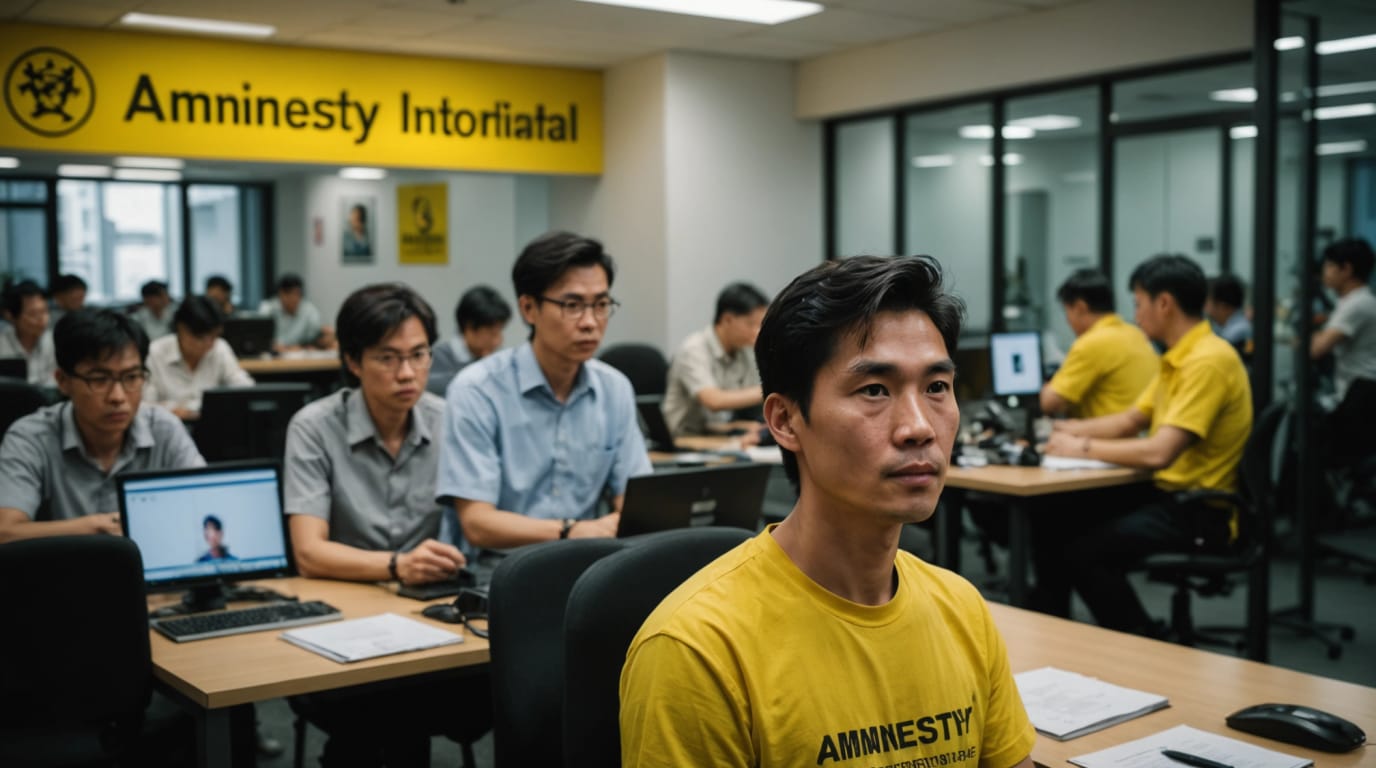
Amnesty International has officially relaunched its Hong Kong branch "in exile," marking a significant move more than three years after the organization withdrew from the Chinese financial hub. The decision to reopen, albeit remotely, underscores the persistent concerns regarding human rights and freedoms in Hong Kong following the implementation of a sweeping national security law.
Security Law Prompts Relocation
In 2021, Amnesty International closed its two Hong Kong offices, citing the national security law imposed by Beijing as the primary reason. The organization stated that the law made it "effectively impossible" for human rights groups to operate freely and without fear of reprisal within the region. This law, enacted after large-scale pro-democracy protests in 2019, criminalizes acts of subversion, secession, terrorism, and collusion with foreign entities. Its implementation has led to a significant reshaping of Hong Kong's political and social landscape, drawing widespread international condemnation.
A Stand for Human Rights
Amnesty International's Secretary General, Agnes Callamard, emphasized the organization's unwavering commitment to defending human rights. She stated that the relaunch of the Hong Kong branch "demonstrates the resilience of our movement, our determination never to be silenced, and our commitment to defending human rights no matter the challenges we face." The new branch is officially registered in Switzerland and will be operated by Hong Kong diaspora activists located in various countries, including Australia, Canada, Taiwan, the United Kingdom, and the United States. This marks the first time Amnesty International has established a section founded and operated entirely "in exile."
Focus on Political Prisoners and Transnational Repression
Fernando Cheung, a former Hong Kong lawmaker who has joined the relaunched branch as a board member, outlined the organization's priorities. These include raising awareness about "prisoners of conscience" and combating transnational repression. Cheung highlighted the deteriorating human rights situation in Hong Kong, citing the recent jailing of a social worker in connection with a 2019 protest as an example. He believes that operating from abroad will provide greater freedom to speak out, connect with international groups, conduct research, and respond to events on the ground.
Crackdown and Deteriorating Freedoms
The Hong Kong government's crackdown on dissent has intensified since the implementation of the national security law. As of this month, authorities have arrested 322 individuals and convicted 163 under the national security law and a subsequent homegrown security law enacted last year. Furthermore, police have issued bounties for 19 overseas pro-democracy activists, signaling a growing effort to silence dissenting voices both within and outside Hong Kong. This has resulted in the closure of numerous NGOs and media groups. According to reports, 90 NGOs and 22 media groups closed between June 30, 2020, and December 31, 2023.
Diaspora Activists Respond
Joey Siu, one of the overseas activists targeted with a bounty, expressed hope that the relaunched Amnesty International office would provide encouragement to Hong Kongers both at home and abroad during a difficult period. She described the move as "a gesture of courage in response to repression." The targeting of overseas activists highlights a concerning trend of the Hong Kong government extending its reach beyond its borders to suppress dissent.
Looking Ahead
Amnesty International's reopening of its Hong Kong branch in exile represents a continued effort to monitor and address human rights concerns in the region. While operating from a distance presents challenges, it also offers a degree of freedom and flexibility that was no longer possible within Hong Kong. The organization's focus on political prisoners, transnational repression, and advocacy for fundamental freedoms will be crucial in holding the Hong Kong government accountable and supporting those who continue to fight for human rights in the face of increasing restrictions. The move also serves as a reminder of the ongoing impact of the national security law on civil society and the importance of international scrutiny in safeguarding human rights in Hong Kong.


