Vatican 'Trial of the Century' Rocked by Mistrial Declaration, Casting Shadow on Reforms
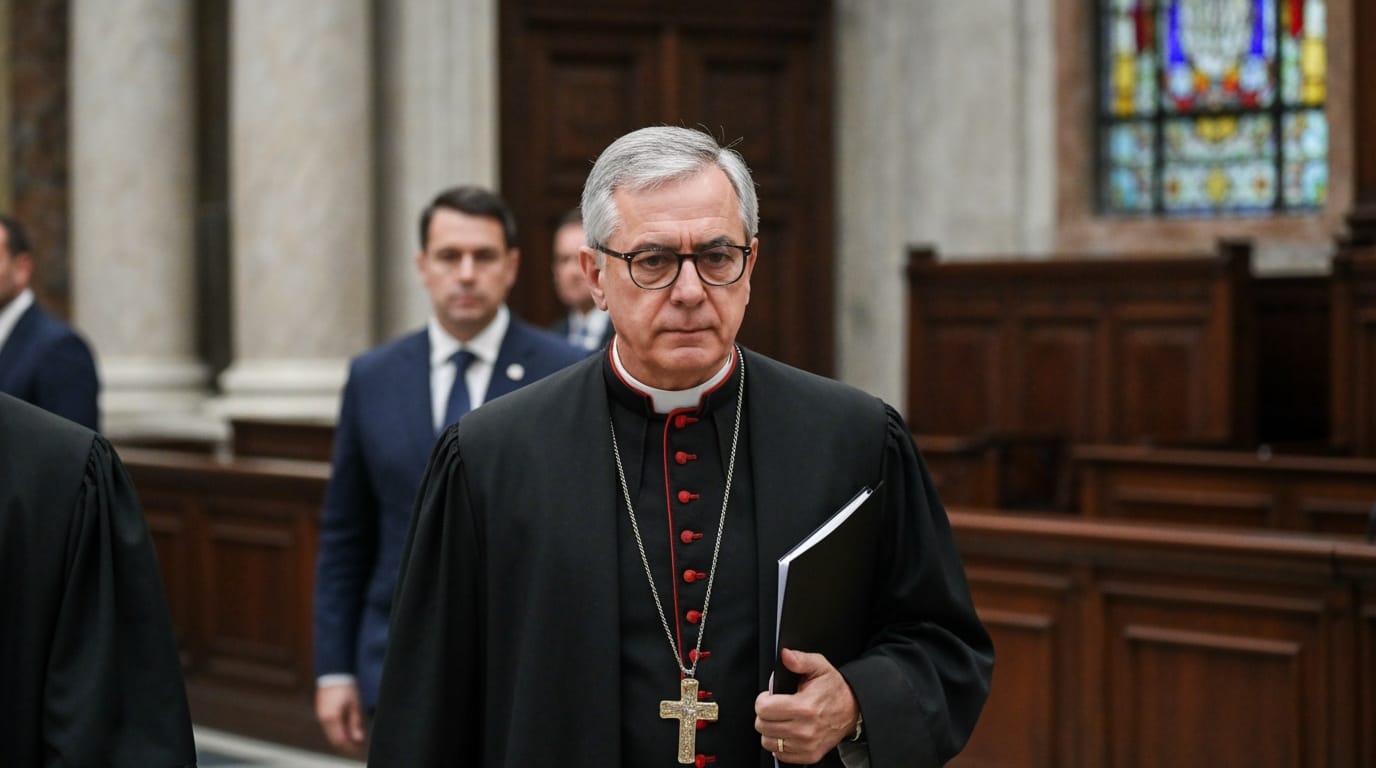
VATICAN CITY – In a dramatic turn that has sent shockwaves through the Holy See, the Vatican appeals tribunal today declared a mistrial in the high-profile fraud case involving Cardinal Angelo Becciu and several co-defendants. The stunning decision, which nullifies the original indictments and mandates a new trial set for June 22, marks a significant setback for Vatican prosecutors and Pope Francis' long-standing efforts to reform the opaque financial practices of the world's smallest state. The ruling cited procedural errors made by both Pope Francis and the prosecution, raising profound questions about the fairness of the initial proceedings and the future of judicial independence within the Vatican.
Procedural Flaws Undermine Landmark Verdict
The appeals tribunal's 16-page ruling delivered a decisive blow to the prosecution, asserting that fundamental procedural errors had tainted the initial indictment and necessitated a fresh start. This declaration of a mistrial effectively invalidates the convictions handed down in December 2023, which saw Cardinal Becciu sentenced to five years and six months in prison for embezzlement and aggravated fraud, alongside guilty verdicts for eight other individuals. Defense lawyers hailed the decision as a vindication, arguing that their clients had been at an unfair disadvantage from the outset, with prosecutors reportedly withholding crucial evidence—a claim that resonated with the appeals court. The implications of a Vatican court overturning an indictment partly due to actions of the reigning pontiff are considered immensely significant, even historic, challenging the perception of papal infallibility in administrative matters.
The London Deal: A Multi-Million Euro Quagmire
At the heart of the "trial of the century" was the Vatican Secretariat of State's ill-fated investment of approximately 350 million euros (around $413 million) in a luxury property development in London's upscale Chelsea district. The opulent building, a former Harrods warehouse, was intended for conversion into high-end apartments, but the deal quickly devolved into a financial quagmire. Prosecutors alleged that a web of brokers and Vatican officials conspired to fleece the Holy See of tens of millions of euros through exorbitant fees and commissions. Further compounding the losses, the Vatican was purportedly extorted for an additional 15 million euros ($16.5 million) to secure full control of the property. This complex transaction, initiated in 2014 when Cardinal Becciu was the Vatican's third-highest-ranking official in the Secretariat of State, became the focal point of the extensive two-year investigation.
Cardinal Becciu: From Papal Contender to Accused
Cardinal Angelo Becciu, once a powerful figure within the Vatican bureaucracy and even considered a potential papal candidate, found himself at the center of the controversy. He was charged with embezzlement stemming from the original London investment, with the tribunal determining that canon law explicitly prohibited the use of church assets for such speculative ventures. Beyond the London deal, Becciu also faced accusations of aggravated fraud related to payments totaling over half a million euros to Cecilia Marogna, a self-styled intelligence expert from his native Sardinia. Marogna allegedly spent these Vatican funds on luxury goods and vacations. Becciu, however, maintained his innocence throughout, asserting that the payments to Marogna were authorized by Pope Francis himself for the legitimate purpose of securing the release of a Colombian nun held hostage by militants in Mali. His December 2023 conviction, which he consistently denied and had appealed, was viewed by many as a testament to Pope Francis' commitment to holding even the highest-ranking prelates accountable.
A Lingering Challenge to Vatican Financial Reforms
The mistrial decision undeniably presents a significant obstacle to Pope Francis' ambitious agenda of financial reform and transparency. Since his election, Pope Francis has made it a priority to cleanse the Vatican's financial institutions, which have been plagued by scandals for decades, including historical allegations of money laundering and questionable investments by the Vatican Bank (IOR). Reforms under his pontificate have included the establishment of a Secretariat for the Economy, the overhaul of the IOR to meet international banking standards, and the implementation of new laws aimed at greater accountability. The cardinal's trial itself was initially presented as a clear demonstration of the Pope's resolve to crack down on financial misconduct at all levels. However, the appeals court's finding of procedural errors, including those attributed to the pontiff's actions, has reignited long-standing concerns about the independence of the Vatican's judiciary and the potential for papal authority to influence legal proceedings. This ruling serves as a stark reminder of the complex and deeply entrenched challenges in transforming centuries-old administrative practices within the Holy See.
What Lies Ahead: A New Chapter in a Protracted Legal Battle
The declaration of a mistrial in such a high-profile case means that the Vatican's "trial of the century" is far from over. The setting of a new trial date for June 22 opens a fresh chapter in this protracted legal saga, promising further scrutiny of the Vatican's financial dealings and judicial system. For Cardinal Becciu and the other defendants, it offers a renewed opportunity to present their case under what the appeals court has indicated should be more procedurally sound conditions. For the Vatican, the mistrial is a moment of reckoning, forcing a re-evaluation of its investigative and prosecutorial methods. The outcome of the upcoming trial will not only determine the fate of the accused but will also significantly shape the perception of justice and accountability within the Holy See, impacting Pope Francis' legacy of reform and the Vatican's standing on the global stage.


