Belgian Diplomat to Face Trial for 1961 Killing of Congo's First Prime Minister, Patrice Lumumba
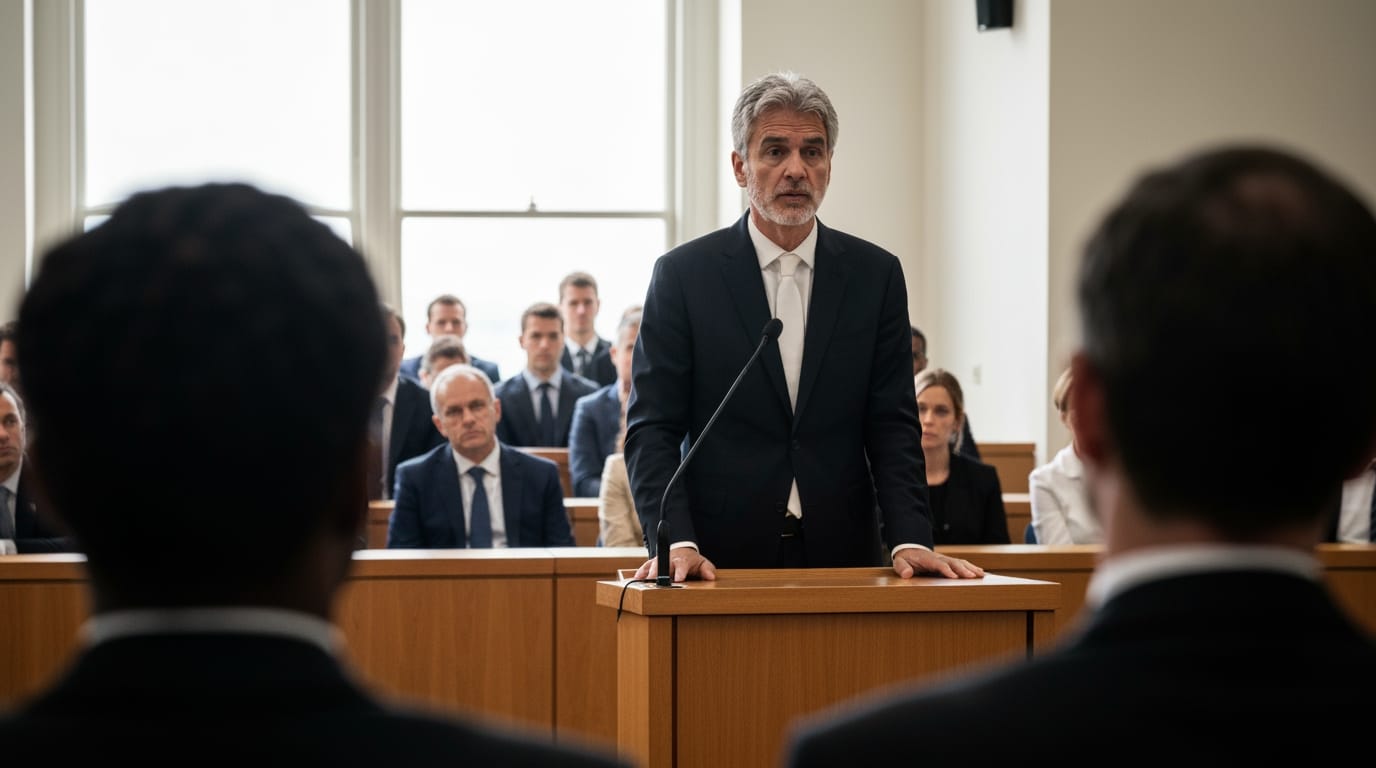
Brussels, Belgium – More than six decades after the assassination of Patrice Lumumba, the Democratic Republic of Congo's revered first prime minister, a Brussels court has ordered a 93-year-old former Belgian diplomat, Étienne Davignon, to stand trial on charges related to his alleged complicity in the 1961 murder. The landmark decision marks a pivotal moment in Belgium's reckoning with its colonial past and the long-unanswered questions surrounding the death of an icon of African independence, signaling a potential breakthrough in a relentless pursuit of justice by Lumumba's family.
A Historic Ruling in a Decades-Old Quest for Truth
The ruling, issued on Tuesday, March 17, 2026, represents the first time a Belgian official will face prosecution for the assassination of Lumumba. Davignon, who was a junior diplomat in what was then the Belgian Congo at the time of the events, is the sole surviving individual among 10 Belgians whom Lumumba's family has accused of involvement in the killing. Prosecutors have charged Davignon with "participation in war crimes," specifically citing his alleged role in the "unlawful detention and transfer" of Lumumba, depriving him of a fair and impartial trial, and subjecting him to "humiliating and degrading treatment." The court further broadened the scope of the trial to include the murders of Lumumba's political associates, Maurice Mpolo and Joseph Okito, who were killed alongside him. This development has been hailed by the Lumumba family and their legal representatives as a historic precedent for addressing crimes committed under European colonial rule, asserting that the passage of time cannot erase legal responsibility for the gravest offenses.
Lumumba's Vision and the Tumultuous Dawn of Independence
Patrice Émery Lumumba emerged as a powerful voice for Congolese independence, becoming the nation's first prime minister in June 1960, shortly after gaining freedom from Belgium. A fervent anti-colonialist and pan-Africanist, Lumumba envisioned a unified and truly independent Congo, free from foreign interference, and aimed to utilize the country's vast mineral wealth for the benefit of its people. His strong nationalist stance, however, quickly put him at odds with former colonial power Belgium and the United States, particularly amidst the heightened tensions of the Cold War.
Almost immediately following independence, the nascent Congolese state plunged into crisis. An army mutiny and the secession of the mineral-rich Katanga province, supported by Belgium, destabilized Lumumba's government. Lumumba's appeals for international assistance were met with lukewarm responses, and his subsequent overtures to the Soviet Union for support raised alarms in Western capitals, which perceived him as a communist sympathizer. These geopolitical pressures, combined with internal political rivalries, culminated in his ouster from power just months after taking office.
A Gruesome End and Decades of Evasion
In January 1961, Lumumba was captured, transported to Katanga, and subjected to brutal treatment. On January 17, 1961, he, along with Mpolo and Okito, was executed by a firing squad in the presence of Katangan and Belgian officials. What followed was a deliberate and horrifying attempt to erase any trace of the leader. Belgian police commissioner Gerard Soete, acting on orders, dismembered Lumumba's body and those of his companions, dissolving them in sulfuric acid. Soete later infamously admitted to keeping some of Lumumba's remains, including a gold-capped tooth, as macabre souvenirs.
For decades, the truth surrounding Lumumba's death remained obscured, shrouded in rumors and official silence. The return of Lumumba's tooth to his family in 2022 by Belgium marked a symbolic, albeit belated, acknowledgment of the grim historical episode and an attempt to reconcile with the past. At the time of the handover, then-Belgian Prime Minister Alexander De Croo reiterated the government's "apologies" for its "moral responsibility" in Lumumba's disappearance, acknowledging a "painful and disagreeable truth."
Belgium's Ongoing Reckoning and Global Precedent
The journey towards this trial has been a long and arduous one, largely driven by the unwavering efforts of Lumumba's family. A 2002 Belgian parliamentary investigation concluded that Belgium bore "moral responsibility" for Lumumba's death, though no individual prosecutions were initiated at the time. The current charges against Davignon stem from a 2011 lawsuit filed by Lumumba's children, which argued that the assassination constituted a war crime, thus bypassing statutory limitations that might otherwise apply.
This trial, if it proceeds, holds immense significance not only for Belgium and the Democratic Republic of Congo but also for broader international justice. It forces a direct confrontation with the lingering shadows of colonialism and the accountability of former colonial powers for actions taken during that era. The potential conviction of a high-ranking official, even at 93 years old, could establish a powerful precedent, influencing how nations worldwide address historical injustices and pursue truth and reconciliation for past atrocities. As the legal process unfolds, it will undoubtedly draw global attention to a dark chapter of history and the enduring fight for justice.