Ancient Noblewoman's 5,000-Year-Old Remains Unearthed in Peru, Revealing Women's Pivotal Role in Early Civilization
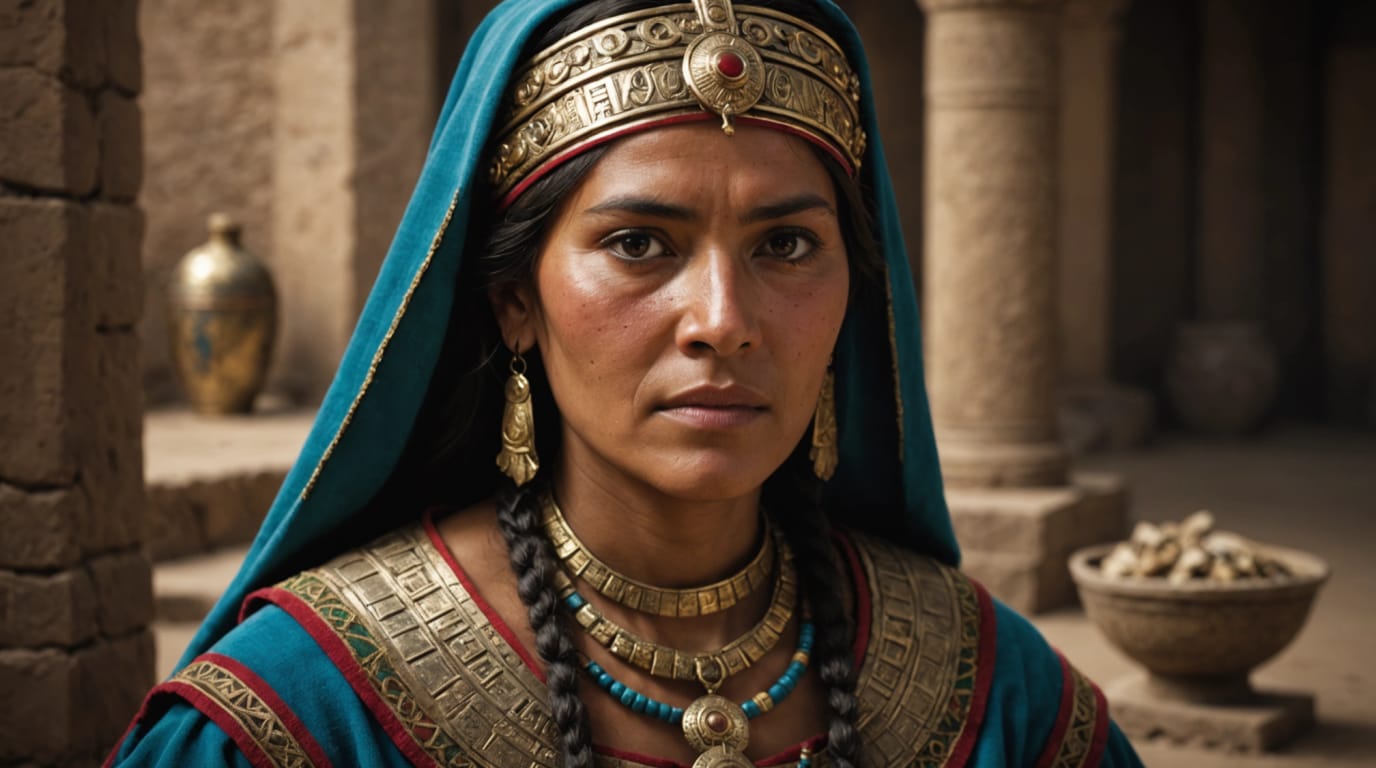
Archaeologists in Peru have announced the discovery of the 5,000-year-old remains of a noblewoman at the sacred city of Caral, a finding that sheds light on the significant role women played in what is considered the oldest center of civilization in the Americas. The remarkably preserved mummy, dating back to 3,000 BC, offers a rare glimpse into the social hierarchy and funerary practices of the Caral civilization, which thrived around the same time as ancient cultures in Mesopotamia, Egypt, and China.
Discovery at Aspero
The remains were found at Aspero, a sacred site within the Caral complex. Interestingly, Aspero was used as a municipal garbage dump for over three decades before being transformed into an archaeological site in the 1990s. The location of such a significant burial within a former refuse area highlights the evolving understanding of the site's historical importance and the potential for further discoveries.
Archaeologist David Palomino told reporters that the discovery "corresponds to a woman who apparently had elevated status, an elite woman." The careful preservation of the remains, including skin, nails, and hair, along with the elaborate wrapping in multiple layers of fabric, further supports this assessment.
Elaborate Burial and Trousseau
The noblewoman's remains were found wrapped in a shroud made of several layers of fabric and a mantle of macaw feathers. Macaws are colorful birds belonging to the parrot family, native to the Amazon region. The inclusion of macaw feathers suggests trade or contact between the Caral civilization and communities in the Amazon basin.
The woman's funerary trousseau, presented at the culture ministry, included a toucan's beak, a stone bowl, and a straw basket. These objects likely held symbolic or practical significance, reflecting the woman's status and role in Caral society. Preliminary analyses indicate that the remains belong to a woman between 20 and 35 years old, standing approximately 1.5 meters (5 feet) tall. She was also found wearing a headdress, a clear indicator of her elevated social standing.
Challenging Gender Norms
Palomino emphasized that the find challenges the traditional view that rulers were primarily men. He stated that the discovery demonstrates that women "played a very important role in the Caral civilization." This finding contributes to a growing body of evidence suggesting that women held positions of power and influence in ancient Andean societies.
Other recent discoveries support this assertion. In 2012, the remains of 58 noble women, including four queens or princesses, were found at Huarmey Castle in the Ancash region. One of these remains, dubbed the "Wari Queen," was found with an abundance of jewelry and textiles. Similarly, the tomb of the Lady of Cao, a woman of the Mochica hierarchy, was discovered in 2005, containing emblems of power such as crowns, diadems, and ceremonial truncheons.
The Caral Civilization
Caral society developed between 3000 and 1800 BC. The city is located in the fertile Supe valley, about 180 kilometers (113 miles) north of Lima and 20 kilometers (12 miles) from the Pacific Ocean. Caral is considered the oldest city in the Americas and a United Nations World Heritage Site since 2009.
Unlike other ancient civilizations that developed in contact with each other, researchers believe Caral developed in complete isolation. The city's sophisticated urban planning, monumental architecture, and complex social organization demonstrate a remarkable level of cultural development.
Implications and Future Research
The discovery of the noblewoman's remains provides valuable insights into the social, political, and religious life of the Caral civilization. The elaborate burial and funerary trousseau suggest a complex belief system and a hierarchical social structure. The find also highlights the importance of women in Caral society, challenging traditional assumptions about gender roles in ancient civilizations.
Further research and analysis of the remains and associated artifacts will undoubtedly reveal more about the life and times of this elite woman and the broader Caral civilization. This discovery underscores the importance of continued archaeological investigation in Peru, which holds a wealth of information about the ancient history of the Americas. Recent archaeological discoveries in Peru include a 5,000-year-old ceremonial temple and skeletal remains in the Zaña district of northwestern Peru, and a 4,000-year-old temple discovered in the Lambayeque region. These discoveries continue to enrich our understanding of the diverse and complex societies that thrived in ancient Peru.
The unearthing of the noblewoman's tomb serves as a potent reminder of the critical roles women played in shaping early societies. As investigations progress, archaeologists and historians anticipate uncovering even more details about the Caral civilization and the influential women who helped shape its course.


