U.S. and Ecuador Launch Joint Offensive Against Narco-Terrorism Amid Escalating Crisis
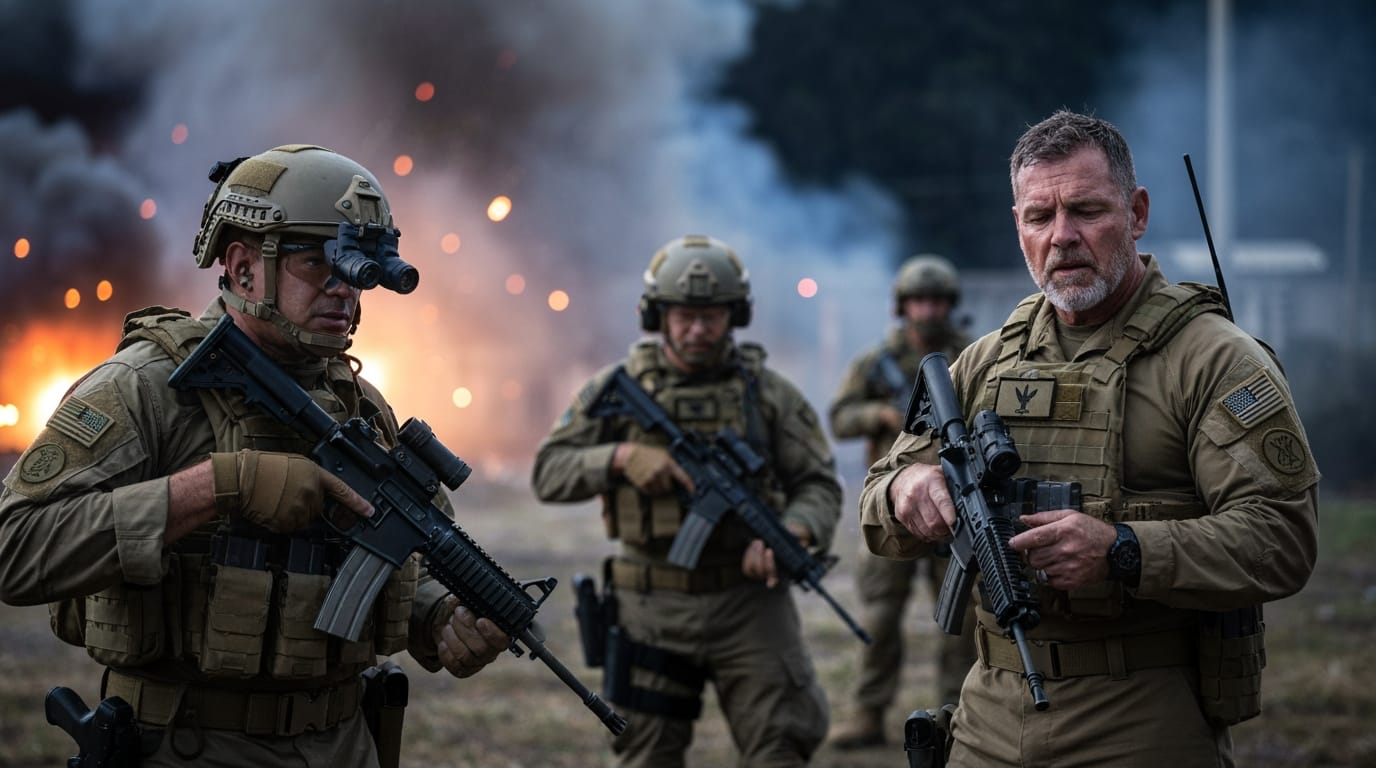
QUITO, Ecuador – In a significant escalation of efforts to curb rampant drug trafficking and soaring violence, the United States and Ecuador have launched joint military operations targeting what both nations describe as "narco-terrorist" organizations operating within the South American country. The coordinated offensive, announced in early March 2026, marks a new phase in the battle against powerful criminal groups that have plunged Ecuador into an unprecedented security crisis, transforming a once-peaceful nation into a critical logistical hub for global illicit drug flows.
Ecuador's Descent into Turmoil: A Nation Under Siege
Ecuador's current security predicament has been years in the making, evolving from a relatively tranquil nation to one of Latin America's most violent. The crisis, which gained significant momentum around 2018, is primarily fueled by conflicts between increasingly powerful criminal organizations with deep connections to transnational drug trafficking. Geographically sandwiched between Colombia and Peru, the world's two largest cocaine producers, Ecuador has become an indispensable transit point for narcotics destined for international markets in North America and Europe.
Authorities estimate that approximately 70% of the cocaine produced in Colombia and Peru now passes through Ecuador's ports, making the country a crucial link in the global drug supply chain. This surge in trafficking has ignited a brutal turf war among local gangs and international cartels, leading to a dramatic spike in homicides, extortion, and other violent crimes. The country's homicide rate, for instance, rose sharply from 6.7 per 100,000 people in 2020 to 44.5 in 2025, the highest in South America.
In response to the escalating violence, Ecuadorian President Daniel Noboa, who took office in 2023, declared an "internal armed conflict" in January 2024, deploying the military to confront and neutralize these armed groups. This declaration recognized criminal organizations like Los Choneros and Los Lobos as "terrorist organizations and belligerent non-state actors," signaling a hardened stance against their operations. These groups, often working in concert with Mexican syndicates such as the Sinaloa Cartel and Jalisco New Generation Cartel, have expanded their influence through prison networks, port operations, and cross-border smuggling. Beyond drug trafficking, these criminal entities also engage in illegal gold mining, which serves as both a significant source of income and a means for money laundering.
A New Era of Joint Military Action
The latest joint operations signify a deepening of security cooperation between the United States and Ecuador. The US Southern Command (SOUTHCOM) confirmed the launch of these strikes, stating that they involve "decisive action" against illicit drug trafficking and "designated terrorist organizations." While specific operational details remain classified, officials from both nations emphasized the comprehensive nature of the offensive.
President Noboa had previously initiated discussions with US officials, including US Southern Command chief Francis Donovan and the head of US special operations in the region, Mark Schafer, to coordinate strategies for information sharing and operational coordination at critical points like airports and seaports. The current operations are believed to primarily involve intelligence sharing, logistical support, and specialized training for Ecuadorian commandos from the US side. American special forces advisors are reportedly assisting in planning operations and analyzing intelligence, while Ecuadorian troops conduct the on-ground raids. The initial focus of these operations included Colombian armed groups like the Comandos de la Frontera, active along the border, with plans to expand efforts against domestic gangs such as Los Lobos and Los Choneros.
U.S. Commitment and Strategic Interests
The United States has steadily increased its commitment to supporting Ecuador's fight against organized crime. This bolstered cooperation became particularly evident after President Noboa came to power in 2023. In September 2024, the US signed a $25 million bilateral security cooperation agreement aimed at strengthening Ecuador's security and justice institutions through technical assistance, capacity building, and equipment.
Further demonstrating its resolve, the US announced a $20 million investment in September 2025 to aid Ecuador in combating organized crime. A significant move that month was the official designation of Los Lobos and Los Choneros as terrorist organizations, providing additional legal and financial avenues for combating these groups. The US has also reportedly engaged in aggressive counter-narcotics policies across the Western Hemisphere, including 41 attacks against suspected drug vessels in the Caribbean and Pacific since September 2025, which resulted in 152 fatalities.
While President Noboa's previous proposal to reopen a permanent US military base in Ecuador was rejected by a referendum, a temporary deployment of US Air Force personnel to the former base in Manta did occur in December 2025, indicating alternative forms of collaborative presence. These actions underscore Washington's strategic interest in stabilizing a region vital for trade and security, and in stemming the flow of illicit drugs impacting its own borders.
Looking Ahead: Challenges and Prospects
The joint anti-drug strikes represent a forceful response to Ecuador's deepening security crisis. The aim is not only to disrupt drug trafficking networks but also to dismantle the criminal organizations that have eroded the country's stability and public safety. However, the long-term effectiveness of such operations remains a subject of analysis. While crackdowns can send strong messages and temporarily impact illicit operations, some experts caution that strategies heavily reliant on firepower alone may not offer lasting solutions to complex security challenges rooted in broader socio-economic issues.
The success of this joint venture will depend on sustained cooperation, comprehensive strategies addressing the root causes of crime, and a careful balance between security measures and potential humanitarian concerns. As Ecuador strives to reclaim its peace and stability, the combined efforts with the United States signal a determined push to confront the pervasive threat of narco-terrorism and restore order to the beleaguered South American nation.


