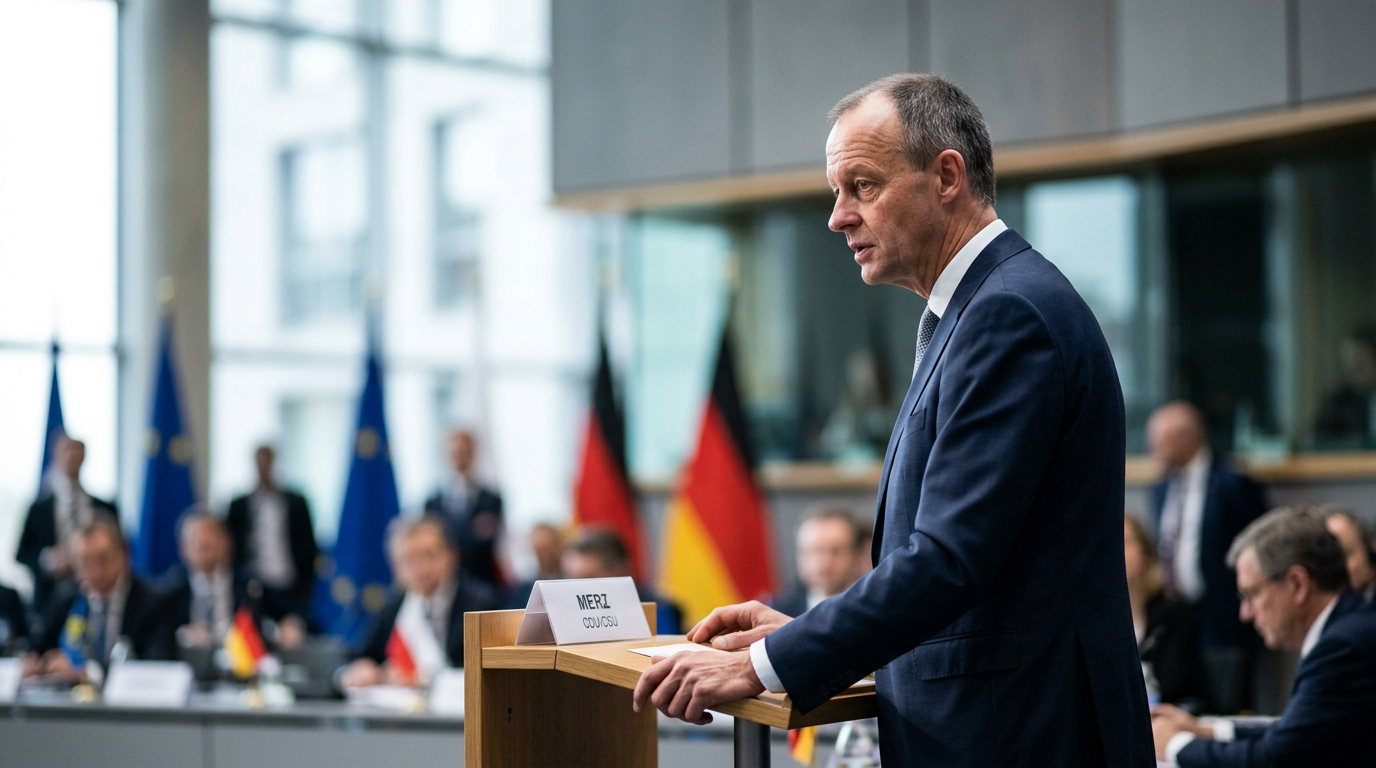
Appeals Court Allows Further USAID Cuts by Musk's DOGE Amidst Legal Battles
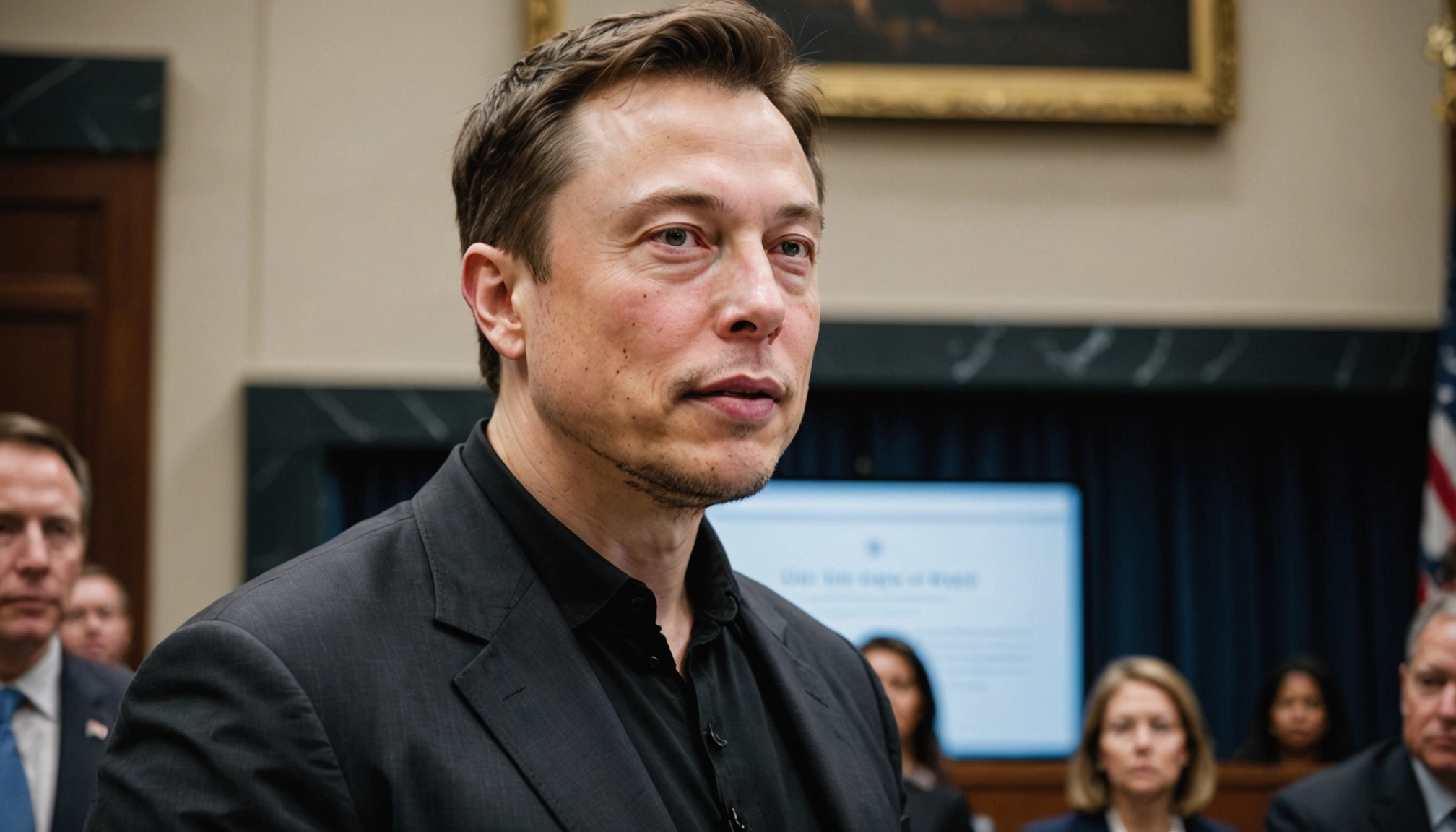
A federal appeals court has cleared the way for Elon Musk's Department of Government Efficiency (DOGE) to proceed with further cuts to the U.S. Agency for International Development (USAID), marking the latest development in a series of legal challenges surrounding the dismantling of the foreign aid agency. This decision follows a previous ruling by a lower court that deemed DOGE's actions as likely unconstitutional, highlighting the ongoing conflict between the executive branch and the judiciary over the future of U.S. foreign assistance.
The legal battles began in mid-February 2025 when USAID employees and contractors filed a lawsuit against Musk and DOGE, alleging violations of the Constitution's Appointments Clause. U.S. District Judge Theodore Chuang initially sided with the plaintiffs, issuing a preliminary injunction that blocked DOGE from making further cuts to USAID's staff, contracts, and infrastructure. The judge also ordered the restoration of access to email, payment, and other electronic systems for USAID employees and contractors.
Constitutional Concerns and Separation of Powers
Judge Chuang's initial ruling raised significant constitutional concerns, stating that Musk and DOGE appeared to have overstepped their authority by dismantling an agency created by Congress. The judge emphasized that such actions deprived Congress of its constitutional power to decide the fate of USAID. This decision was based, in part, on Musk's public statements and social media posts, including one where he claimed to have "fed USAID into the wood chipper."
The lawsuit argued that Musk and DOGE were wielding power reserved for those who win elections or are confirmed by the Senate, thus violating the Appointments Clause. Attorneys for the plaintiffs asserted that the dismantling efforts effectively halted or reversed many of the agency's functions. Norm Eisen, executive chair of the State Democracy Defenders Fund, described the actions as "performing surgery with a chainsaw instead of a scalpel, harming not just the people USAID serves but the majority of Americans who count on the stability of our government."
The Scope of the Cuts and Their Impact
The Trump administration, with the support of Musk and DOGE, initiated a plan to significantly reduce USAID's operations. Reports indicated that the administration aimed to eliminate over 90% of USAID's foreign aid contracts, totaling approximately $60 billion in overall U.S. assistance. This included terminating 5,800 out of 6,200 multiyear USAID contract awards, resulting in a cut of $54 billion. Additionally, 4,100 out of 9,100 State Department grants were slated for elimination, amounting to a $4.4 billion reduction.
These cuts have had a devastating impact on communities worldwide that rely on USAID funding for essential services. Programs in Sudan, Ukraine, and other countries have faced disruption, affecting over 120 million people. The suspension of funding has led to major reductions in life-saving medical treatments, nutrition assistance, and protection services, disproportionately impacting women and children. Experts have warned that these cuts could lead to preventable deaths and accelerate the spread of diseases such as HIV and tuberculosis.
Global Repercussions and Humanitarian Concerns
The USAID funding cuts have triggered a global humanitarian crisis, with aid organizations struggling to fill the void left by the U.S. government's withdrawal. The African health authority, CDC Africa, estimates that setbacks in healthcare due to the cuts could result in two to four million deaths. Specific projects have been derailed, including food security initiatives in Zimbabwe and programs to combat the sexual exploitation of children in Romania.
The sudden suspension of funding has also eroded trust and credibility with communities and authorities, increasing insecurity and access challenges for aid workers. Many NGOs have been forced to suspend or downsize programs, drastically reduce staff, and close offices. The politization of humanitarian aid has resulted in unmet needs, increased inequality, and operational inefficiencies.
Conflicting Estimates and Ongoing Uncertainty
While initial reports suggested that USAID spending could be cut by as much as 90%, more recent calculations from the Center for Global Development (CGD) indicate that the actual cuts may be closer to 34% of all USAID awards by dollar value. These estimates are based on leaked lists of canceled and retained USAID programs, but the exact figures remain uncertain due to incomplete data and differing methodologies.
The CGD's analysis suggests that certain sectors, such as private sector competitiveness, higher education, and political competition, may have been entirely eliminated. Other sectors, including infrastructure, good governance, basic education, and family planning, have experienced cuts of 90% or more. At the country level, Ukraine, Ethiopia, and the Democratic Republic of the Congo have seen the largest absolute dollar cuts, while Liberia, Afghanistan, and Palestine have experienced the largest cuts as a percentage of their economies.
The Path Forward and Potential Reversals
Despite the appeals court's decision, the legal battles surrounding USAID's dismantling are likely to continue. The Trump administration's actions have faced widespread criticism from aid organizations, legal experts, and members of Congress. There is still a possibility that Congress could intervene to reverse the cuts and restore funding to USAID.
Even if the cuts are not fully reversed, there will be an immediate challenge to rebuild the capacity to oversee and finance existing awards while developing new project proposals and issuing new awards. The long-term effects of the USAID dismantling on global health, development, and humanitarian assistance remain to be seen, but the potential consequences are significant.
The decision by the appeals court to allow further cuts to USAID marks a concerning turn of events in the ongoing struggle over the agency's future. While the legal challenges continue, the immediate impact of these cuts will be felt by vulnerable populations around the world who rely on U.S. foreign assistance for survival and well-being. The international community must now grapple with the consequences of these actions and work to mitigate the damage caused by the dismantling of USAID.
Related Articles

Ratko Mladić, "Butcher of Bosnia" and Convicted War Criminal, Dies at 84
THE HAGUE, Netherlands – Ratko Mladić, the former Bosnian Serb military commander known as the "Butcher of Bosnia" and convicted of genocide, war crimes, and crimes against humanity, has died at the age of 84. Serbian...

Long-Awaited 9/11 Mastermind Trial Set for 2028, Decades After Attacks
GUANTANAMO BAY, Cuba – Nearly a quarter-century after the devastating terror attacks of September 11, 2001, a military judge has finally set a trial date for Khalid Sheikh Mohammed, the alleged mastermind behind the...