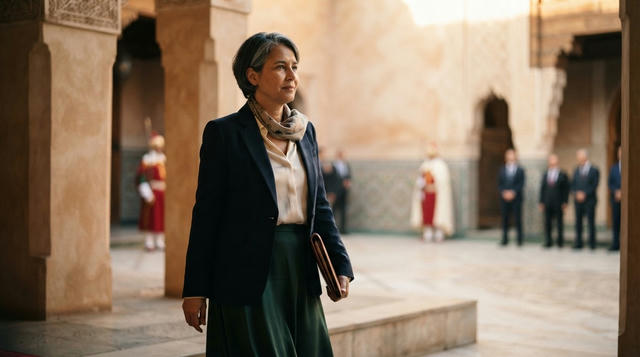
Arab Women Reshape Public Discourse, Amplify Voices Across the Region
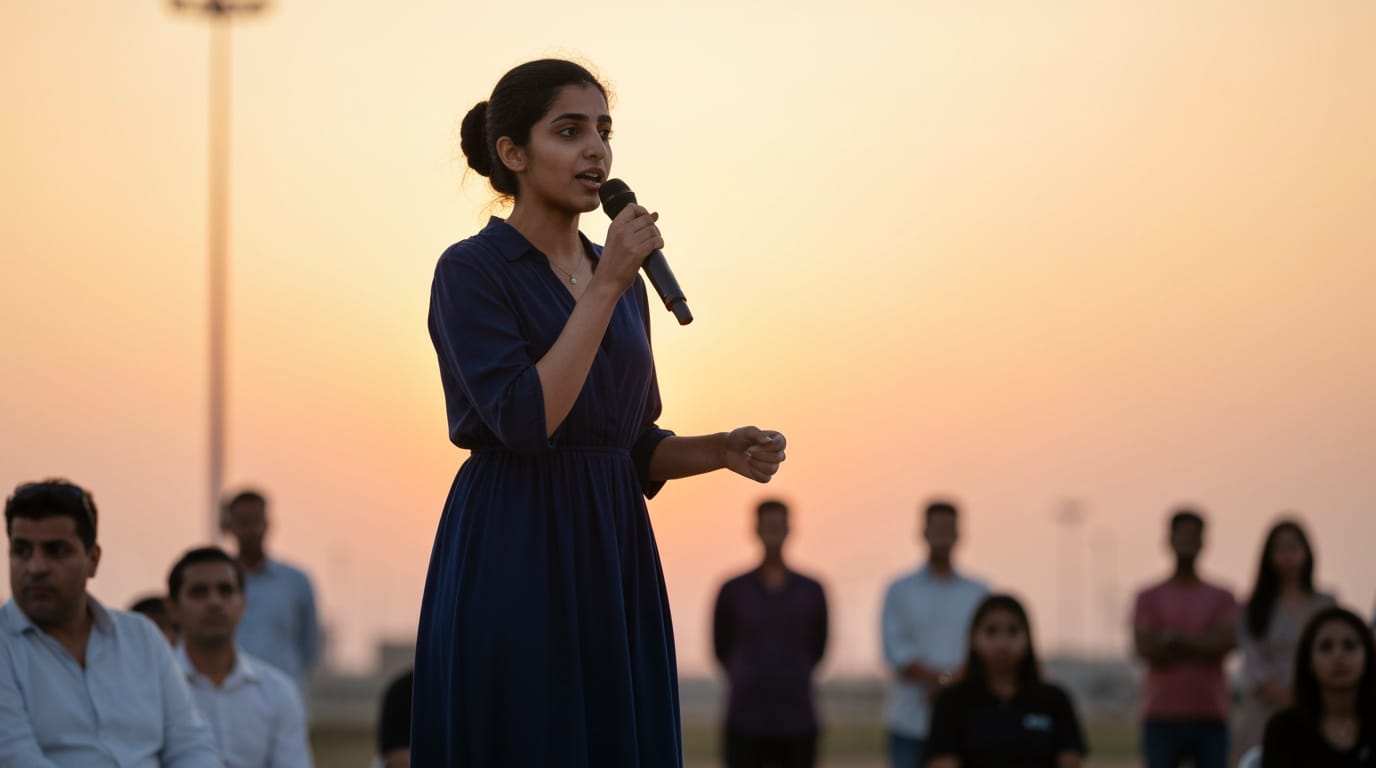
A profound and transformative shift is underway across the Arab world as women increasingly step into the public sphere, seizing the microphone to advocate for change, lead institutions, and shape national narratives. Moving beyond traditional roles, these women are not only breaking long-standing societal barriers but are actively redefining power structures and contributing to the economic, social, and political development of their nations. This burgeoning movement, rooted in a rich history of activism and propelled by modern platforms, signals a new era of female empowerment and public engagement in a region often mischaracterized by monolithic stereotypes.
The Shifting Landscape: A New Era of Visibility and Influence
For decades, the voices of Arab women in public life were often muted or confined to specific domains. However, recent years have witnessed a significant acceleration in their visibility and influence, challenging deeply entrenched norms. This intentional shift is largely fueled by expanding access to education, visionary leadership, and strategic empowerment initiatives. Across many Arab countries, women's university enrollment rates now frequently surpass those of men, creating a highly educated and motivated generation ready to engage in professional and public life.
This educational advancement has translated into tangible gains in various sectors. In the United Arab Emirates, for example, women hold two-thirds of public sector jobs, with a notable 30% in leadership positions. Syrian women recently marked a historic milestone with the appointment of the first female head of its Central Bank in December 2024. While the average representation of women in Arab parliaments remains the lowest globally at 10%, this figure reflects the highest rate of increase from a historically low baseline. Crucially, 11 Arab nations have adopted gender quotas to boost political representation, with the UAE leading the region with 50% female parliamentary representation, followed by Iraq at 29% and Tunisia at 26%. Beyond politics, Arab women are also demonstrating entrepreneurial prowess, launching businesses at record rates in fields such as fashion, fintech, and education, transforming these ventures into powerful vehicles for empowerment and societal change.
Navigating Obstacles: Persistent Barriers and Resilient Activism
Despite these remarkable advancements, the journey for Arab women to achieve full equality and public voice remains fraught with significant challenges. Deeply ingrained conservative ideologies and patriarchal systems continue to present formidable obstacles. The Arab world grapples with the largest overall gender gap globally, with estimates suggesting it will take 153 years to achieve parity. Discriminatory laws persist in some countries, impacting women's ability to work, their personal status, and even requiring spousal permission for employment. Unequal division of domestic labor, lack of affordable childcare, and unfair wages further restrict women's economic participation and career progression. Societal norms often reinforce traditional images of women as primarily caregivers, sidelining their professional ambitions. Sexual harassment in the workplace also remains a prevalent concern, hindering career advancement for many highly qualified women.
However, these challenges have not deterred a vibrant and persistent women's rights movement. Arab women have been actively engaged in social, legal, and political struggles for decades. The historical roots of this activism can be traced back to the late 19th and early 20th centuries, with early feminists advocating for education and public roles, often alongside nationalist movements. The establishment of the first Arab women's periodical, Al-Fatah magazine, in 1892, and the pan-Arab feminist conferences in Cairo in the late 1930s and 1940s, highlight a long-standing commitment to gender equality.
Modern-day activism continues this legacy, with numerous organizations working tirelessly to champion women's rights and leadership. Groups like the Arab Women Organization of Jordan (AWO), the Center of Egyptian Women Legal Assistance (CEWLA), KAFA in Lebanon, and the Arab Women's Leadership Institute (AWLI) provide legal aid, training, mentorship, and advocacy, fostering solidarity and driving policy changes.
Trailblazers at the Mic: Influential Voices and Their Impact
The increasing presence of Arab women on the public stage is exemplified by a growing number of influential figures who command attention and inspire change. Manal al-Sharif, recognized by TIME as one of the 100 most influential people in the world, is a powerful advocate for women's rights in the Muslim and Arab world, notably for her impactful speech at the Oslo Freedom Forum. Princess Reema bint Bandar Al-Saud made history as Saudi Arabia's first female ambassador, signaling a significant shift in diplomatic representation. In Lebanon, Raya al-Hassan became the first female interior minister, shattering a prominent political glass ceiling.
Beyond politics, women are making their mark in diverse fields. Sheikha Alanoud Bint Hamad Al-Thani, Deputy CEO and Chief Business Officer at Qatar Financial Centre, was named a Young Global Leader by the World Economic Forum, showcasing economic leadership. Sheikha Lubna Al Qasimi broke ground as the first woman in the UAE to hold a cabinet position, serving as a powerful symbol of progress in governance. Princess Ameerah Al-Taweel of Saudi Arabia is a prominent voice campaigning for women's rights and youth empowerment, using platforms like the Arab Women of the Year awards to deliver moving speeches. Dena Takruri, a Palestinian-American journalist and co-host on the Arab Radio and Television Network, actively challenges Western stereotypes of Arabs, providing an objective and nuanced perspective that resonates with many. These individuals, among many others, are not only achieving personal success but are also creating vital role models for future generations.
The Digital Megaphone: Social Media and Youth Engagement
The digital age has provided a new and powerful platform for Arab women to amplify their voices and organize for change. Social media, in particular, has become an indispensable tool, enabling women to bypass traditional media gatekeepers and engage directly with local and global audiences. The Arab Spring uprisings underscored the potent role of digital platforms, with women actively using social media to voice dissent, organize protests, and challenge discrimination. While their extensive participation in these movements did not always translate into sustained roles in post-conflict decision-making, it undeniably showcased their power to mobilize and influence public opinion.
This digital activism has been instrumental in raising awareness about critical issues such as gender-based violence and advocating for legal reforms. The increased visibility of women in public spaces, whether online or offline, has been linked to greater women's empowerment and even a reduction in intimate partner violence. Organizations like UN Women are actively working to ensure safe and inclusive digital spaces, combating digital violence that aims to silence women's voices.
Conclusion: Forging a Future of Inclusive Discourse
The rise of Arab women to the mic represents more than just individual achievements; it signifies a profound societal evolution towards greater inclusivity and dynamic public discourse. From parliamentary floors to entrepreneurial ventures, from grassroots activism to global stages, Arab women are increasingly asserting their right to speak, to lead, and to shape the future of their communities and the world. Their determined efforts are not only dismantling stereotypes but are also demonstrably impacting policy, fostering economic growth, and contributing to more equitable and just societies.
While significant barriers remain, the momentum generated by these trailblazers, coupled with the strategic support of women's organizations and the democratizing power of digital platforms, suggests that the collective voice of Arab women will continue to grow louder and more influential. This ongoing transformation is essential not only for gender equality but for the comprehensive development and resilience of the entire Arab world, proving that when women rise to the mic, societies inevitably benefit.