Argentina's Property Overhaul Sparks Nationwide Fury as Milei Confronts Legislative Headwinds

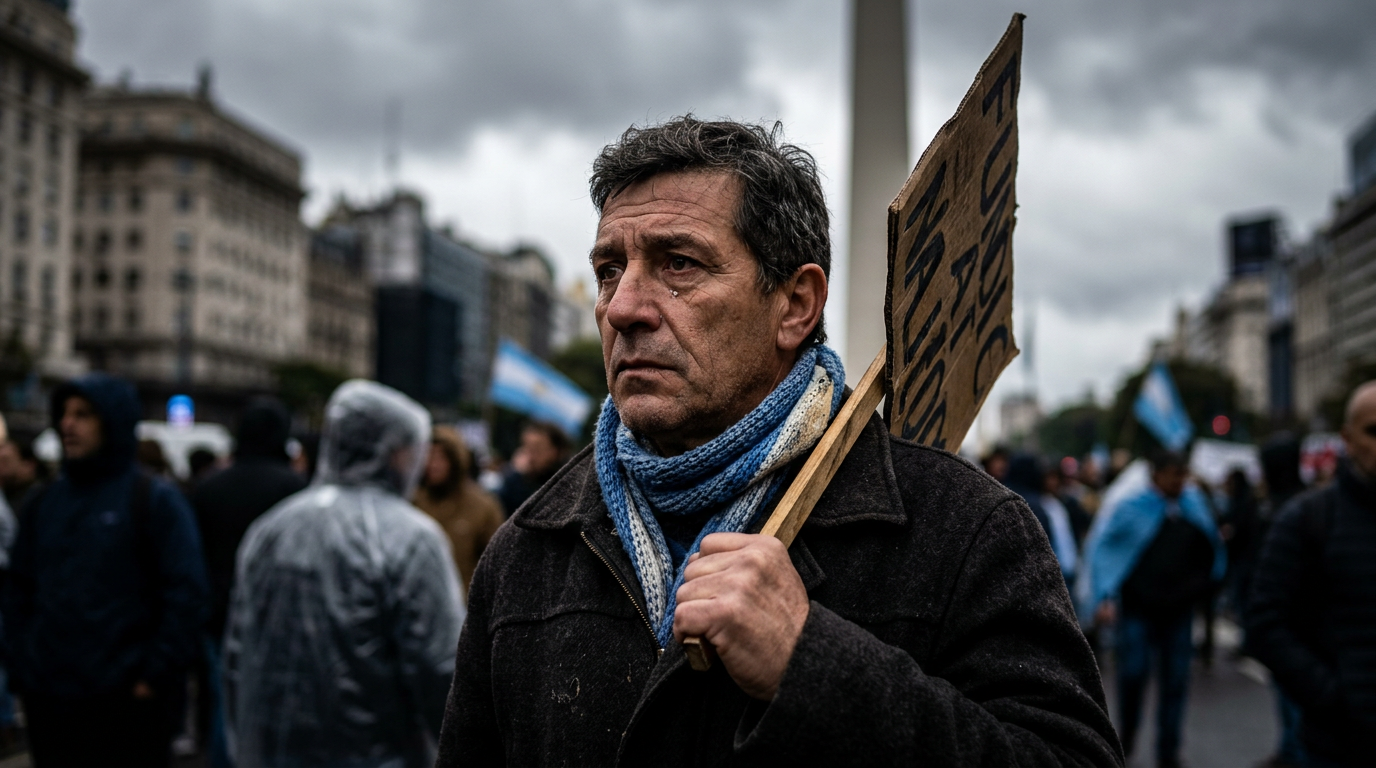
BUENOS AIRES – Argentina is embroiled in a contentious debate over President Javier Milei's sweeping property reform bill, a cornerstone of his administration's ambitious deregulation agenda. The legislation, initially introduced as part of a broader "mega-decree," aims to significantly alter land ownership rules, expedite evictions, and overhaul the country's rental markets. These proposed changes have ignited a firestorm of protests across the nation, forcing the government to backtrack on some of its most controversial provisions amidst widespread public anger and legislative challenges.
The Genesis of Radical Deregulation
Since taking office in December 2023, President Javier Milei, a self-proclaimed anarcho-capitalist, has pursued a radical agenda to dismantle what he perceives as decades of overregulation and state intervention in Argentina's economy. Faced with rampant inflation and widespread poverty, Milei declared an economic emergency, allowing him to bypass Congress through a Decree of Necessity and Urgencia (DNU) 70/2023. This extensive decree, comprising 366 articles, sought to modify or repeal over 300 laws, touching upon diverse sectors including energy, healthcare, labor rights, and real estate. The DNU was presented as a "shock therapy" necessary to steer the nation out of its economic crisis and attract much-needed foreign investment.
The property bill, central to this deregulatory push, was designed to signal a new era of economic openness. Milei's government argues these reforms are crucial for strengthening property rights and stimulating investment in a country historically plagued by economic instability. However, the utilization of a DNU to enact such far-reaching changes has drawn criticism for circumventing democratic processes and undermining congressional debate, particularly given Milei's lack of a majority in either house.
Unpacking the Controversial Property Bill
The original property bill, introduced in March, proposed drastic changes to Argentina's land ownership laws. A key provision involved the elimination of caps on foreign land ownership, which had previously been limited to 15% of national rural territory under the 2011 Rural Land Law. This particular measure aimed to open up Argentina's vast rural lands to international buyers, with a version introduced this week suggesting a cap of 25% at national and provincial levels.
Beyond foreign ownership, the bill included several other significant alterations. It sought to expedite eviction procedures, significantly shortening judicial deadlines and allowing property owners to initiate forced evictions with public forces after just a 10-day non-payment notice. This aspect has been a major point of contention, with tenant organizations arguing it eliminates contractual equity and removes mandatory mediation processes. The legislation also aimed to ease property recovery after state appropriation and remove land-use restrictions following fires, a move critics contend commercializes ecological destruction. Furthermore, the bill targeted communal land ownership by repealing historic protective regulations, a move that could leave rural and indigenous communities vulnerable and threaten their ancestral territories.
The decree also drastically reformed the housing rental market. It repealed the 2020 rent control law, which had mandated three-year lease terms and required rent payments in pesos. Milei's reforms lifted these restrictions, allowing landlords and tenants to freely negotiate rent levels, revision frequencies, and even the currency for payment, aiming to re-energize a market that had seen a significant decline in formal listings under the previous regulations.
A Nation Divided: Protests and Opposition
The proposed property reforms have ignited a firestorm of protests across Argentina, uniting a diverse coalition of labor unions, opposition leaders, indigenous groups, environmental activists, and even public figures like pop stars and football players. Thousands have taken to the streets of Buenos Aires, converging outside Congress with banners proclaiming "The homeland is not for sale" and Argentine flags.
A primary concern among protesters is the perception that the bill constitutes a "selling off" of the country's national heritage and sovereignty, particularly through the provisions related to foreign land ownership. Indigenous groups have voiced strong opposition, highlighting that the repeal of communal land ownership protections directly threatens their ancestral territories and cultural survival. Critics also argue that the changes to land-use regulations after fires could lead to environmental degradation, prioritizing financial gain over biodiversity.
The expedited eviction procedures have also drawn fierce condemnation. Opponents warn that this will disproportionately impact vulnerable tenants and exacerbate housing insecurity. The broader sentiment among many is that the bill represents a "direct attack on housing, communal, and ecological rights" and could lead to the "colonisation, fragmentation, fracture and balkanization of the homeland." The protests, often met with security forces responding with tear gas and water cannons, underscore the deep societal divisions ignited by Milei's rapid and expansive reform agenda.
Government Concessions Amidst Mounting Pressure
Facing intense social pressure, a lack of legislative consensus, and Milei's approval ratings lingering near their lowest levels, the government was compelled to make significant concessions. On Wednesday, August 5, lawmakers watered down the legislation, withdrawing the most contentious chapter that would have increased the cap on foreign ownership of rural land. While Milei's original bill in March had sought to eliminate these caps entirely, and a more recent version aimed for a 25% limit, this portion of the bill has now been shelved.
The decision to retreat on foreign land ownership was confirmed by Milei's top senator, Patricia Bullrich, after a meeting of Senate bloc leaders. Despite these concessions, labor unions and social organizations maintained their calls for protests outside the Senate, where the bill continues to be debated. Organizers emphasize that the remaining text of the bill still contains provisions that they view as detrimental to housing, communal, and ecological rights, including the rapid eviction authorizations and the repeal of the Fire Management Law.
The Rental Market Experiment: Early Impacts
While other aspects of the property bill have triggered widespread outrage, the deregulation of Argentina's rental market, enacted in December 2023, has shown different initial outcomes. Milei's repeal of the 2020 rent control law, which had been criticized for creating a housing shortage, aimed to stimulate the market by removing restrictions on lease terms, rent adjustments, and currency of payment.
Reports indicate that these changes have led to a significant increase in rental listings. For instance, traditional rental listings on Zonaprop, a major real estate platform, skyrocketed by 180%, from 5,500 before the reform to 15,300, with a third of this increase occurring within just one month. The Ministry of Deregulation also reported that the rental housing supply in the Buenos Aires metropolitan area was 212% higher by June 2024 than in December 2023.
Proponents of the deregulation argue that it has made the rental market more dynamic and accessible. Real (inflation-adjusted) rents have reportedly fallen by almost 27% in the first seven months following deregulation. Landlords, who previously faced disincentives due to strict controls, are now more willing to offer properties for rent, including the option to sign contracts in any currency, providing a hedge against Argentina's high inflation. This has been presented by the government as a "cultural success" and a "textbook case" for Milei's deregulatory efforts, providing more options for tenants and boosting the formal rental sector.
Looking Ahead: A Contentious Path
As the "Inviolability of Private Property" bill progresses through the Senate, its future remains uncertain. The government's decision to withdraw the most controversial elements related to foreign land ownership demonstrates the significant power of public protest and legislative pressure in Argentina. However, the remaining provisions, particularly those concerning expedited evictions and communal land rights, continue to fuel opposition and social unrest.
President Milei's ambitious reform agenda, driven by a commitment to drastic economic liberalization, faces an ongoing test of political will and public acceptance. The ongoing debates and protests highlight the deep ideological chasm within Argentina regarding the nation's economic future and the role of the state in protecting citizens' rights versus promoting market freedoms. The ultimate form and impact of this property bill will undoubtedly shape the trajectory of Milei's presidency and the social fabric of Argentina for years to come.
Related Articles


Ratko Mladić, "Butcher of Bosnia" and Convicted War Criminal, Dies at 84
THE HAGUE, Netherlands – Ratko Mladić, the former Bosnian Serb military commander known as the "Butcher of Bosnia" and convicted of genocide, war crimes, and crimes against humanity, has died at the age of 84. Serbian...


Long-Awaited 9/11 Mastermind Trial Set for 2028, Decades After Attacks
GUANTANAMO BAY, Cuba – Nearly a quarter-century after the devastating terror attacks of September 11, 2001, a military judge has finally set a trial date for Khalid Sheikh Mohammed, the alleged mastermind behind the...