Artemis II Poised for Historic Lunar Voyage, Ushering in New Era of Deep Space Exploration
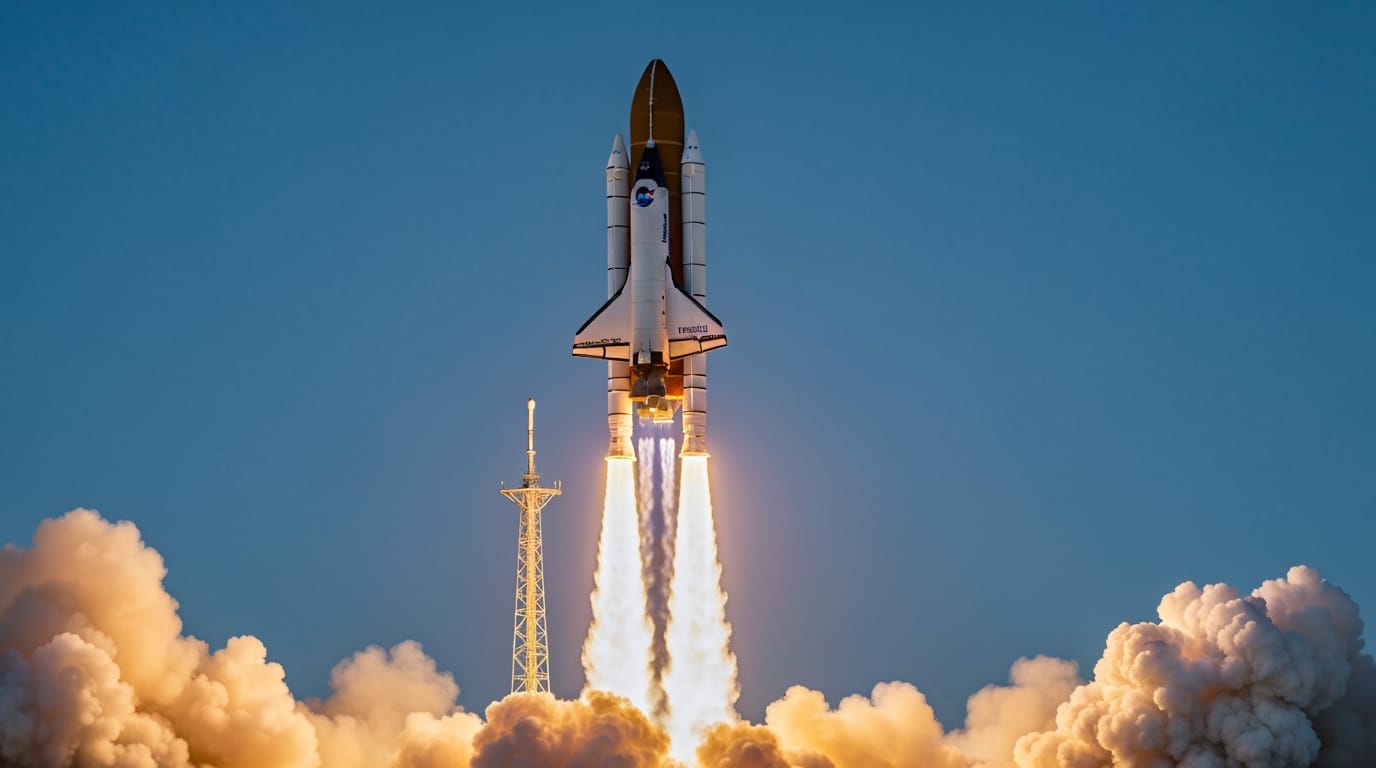
CAPE CANAVERAL, Fla. – Humanity stands on the precipice of a new chapter in space exploration as NASA's Artemis II mission is set to launch today, April 1, 2026, from Kennedy Space Center. This landmark mission will send four astronauts on a perilous yet inspiring journey around the Moon, marking the first time humans have ventured beyond low Earth orbit since Apollo 17 in 1972. More than a mere repeat of past feats, Artemis II serves as a critical test flight for the Orion spacecraft and Space Launch System (SLS) rocket, paving the way for a sustained human presence on the lunar surface and eventually, expeditions to Mars. The 10-day mission is designed to push the boundaries of human capability in deep space, meticulously testing the systems essential for future lunar landings and long-duration space travel.
A Crew Forged for the Cosmos
The diverse crew of Artemis II comprises NASA astronauts Commander Reid Wiseman, Pilot Victor Glover, and Mission Specialist Christina Koch, alongside Mission Specialist Jeremy Hansen from the Canadian Space Agency (CSA). This quartet represents a mosaic of experience and groundbreaking "firsts." Victor Glover is set to become the first person of color to travel around the Moon, while Christina Koch will be the first woman to undertake such a lunar flyby. Jeremy Hansen, a London-born Canadian astronaut, will make history as the first non-American to venture beyond low Earth orbit. Commander Reid Wiseman, a seasoned Navy veteran and pilot, will be the oldest person to leave low Earth orbit. The crew has undergone extensive training, preparing for every contingency of this ambitious mission, embodying the spirit of international collaboration that defines the Artemis program. They boarded the Orion spacecraft earlier today, a pre-launch tradition dating back to the Gemini program, signing their names on the wall of the "White Room" before entering the capsule.
The Mighty SLS and Orion: A Test of Next-Generation Technology
At the heart of the Artemis II mission is the powerful Space Launch System (SLS) rocket, the most formidable operational booster in the world, standing at an imposing 322 feet (98 meters) tall. The SLS Block 1 variant, launching from Kennedy Space Center's Launch Complex 39B, will propel the Orion spacecraft and its crew into space with 8.8 million pounds of thrust. This marks only the second launch of the SLS and the inaugural crewed flight for this colossal rocket and the Orion capsule. The Orion spacecraft, named "Integrity" by the crew, is designed to carry and sustain the astronauts beyond Earth orbit and safely return them home. Its European Service Module (ESM), provided by the European Space Agency, is crucial for life support, power, and propulsion in deep space.
The mission profile involves a multi-trans-lunar injection (MTLI) and a free-return trajectory around the Moon, meaning the spacecraft will not enter lunar orbit but instead loop behind the Moon, leveraging Earth-Moon gravity for its return. This trajectory will take the crew approximately 4,700 miles (7,600 km) beyond the Moon, setting a new record for the farthest distance humans have ever traveled from Earth, surpassing the 248,655 miles achieved by Apollo 13. The early hours of the mission will see the crew performing critical checkouts of the spacecraft's life support systems and conducting an in-space rendezvous and proximity operations demonstration using the spent Interim Cryogenic Propulsion Stage (ICPS) as a target. The rigorous 10-day journey is a comprehensive test of Orion's capabilities, including its life support, navigation, communication, and heat shield systems, all vital for ensuring the safety of astronauts on future, longer-duration missions.
Overcoming Hurdles: Delays and Technical Refinements
The path to the Artemis II launch has been punctuated by several delays and technical challenges, underscoring the inherent complexities and risks associated with deep space missions. Originally targeted for late 2024, then early 2026, the launch was postponed multiple times due to a combination of hardware issues, weather disruptions, and safety concerns. Notably, investigations into issues with Orion's life support system and unexpected damage to its heat shield, observed after the uncrewed Artemis I reentry, contributed to the setbacks. More recently, a liquid hydrogen leak detected during a "wet dress rehearsal" in February 2026, followed by a helium flow issue in the rocket's upper stage, necessitated moving the SLS and Orion back to the Vehicle Assembly Building for repairs and troubleshooting. These delays, while frustrating, highlight NASA's unwavering commitment to safety and meticulous preparation. As Canadian astronaut David Saint-Jacques noted, such delays are a strong possibility for test missions, emphasizing that any issue identified ensures the safety of the crew.
Looking to the Lunar Future and Beyond
Artemis II is more than just a flight around the Moon; it is a foundational step in NASA's broader Artemis program, which aims to establish a long-term human presence on the Moon and utilize it as a proving ground for human missions to Mars. The program represents a strategic shift from a race for milestones to a systematic approach focused on repeated operations, sustained presence, and developing lunar infrastructure.
Recent announcements from NASA have outlined a revised roadmap for the Artemis program. While Artemis III was initially planned as the first human landing since Apollo, it will now focus on technology tests in low Earth orbit, including rendezvous and docking capabilities with commercial lunar landers from SpaceX and Blue Origin. The first human landing on the Moon is now targeted for Artemis IV in 2028, with plans for subsequent missions to build a lunar base. This phased approach prioritizes building reliable systems over speed, reflecting lessons learned from the program's development. The scientific data gathered during Artemis II, particularly concerning human health and system performance in deep space, will be invaluable for planning future lunar and Martian expeditions. The mission also underscores the growing importance of international collaboration, with contributions from agencies like ESA and CSA paving the way for a truly global effort in space exploration.
Artemis II stands as a testament to human ingenuity and the enduring drive to explore. With its successful execution, the mission will not only mark a historic return to the lunar vicinity but also validate the critical systems necessary for humankind's permanent return to the Moon and the ambitious journey to Mars. The world watches as the crew of Artemis II prepares to embark on this audacious voyage, setting the stage for a future where humanity lives and works among the stars.


