Asia at a Crossroads: Reshaping Global Order Amidst Shifting Power Dynamics
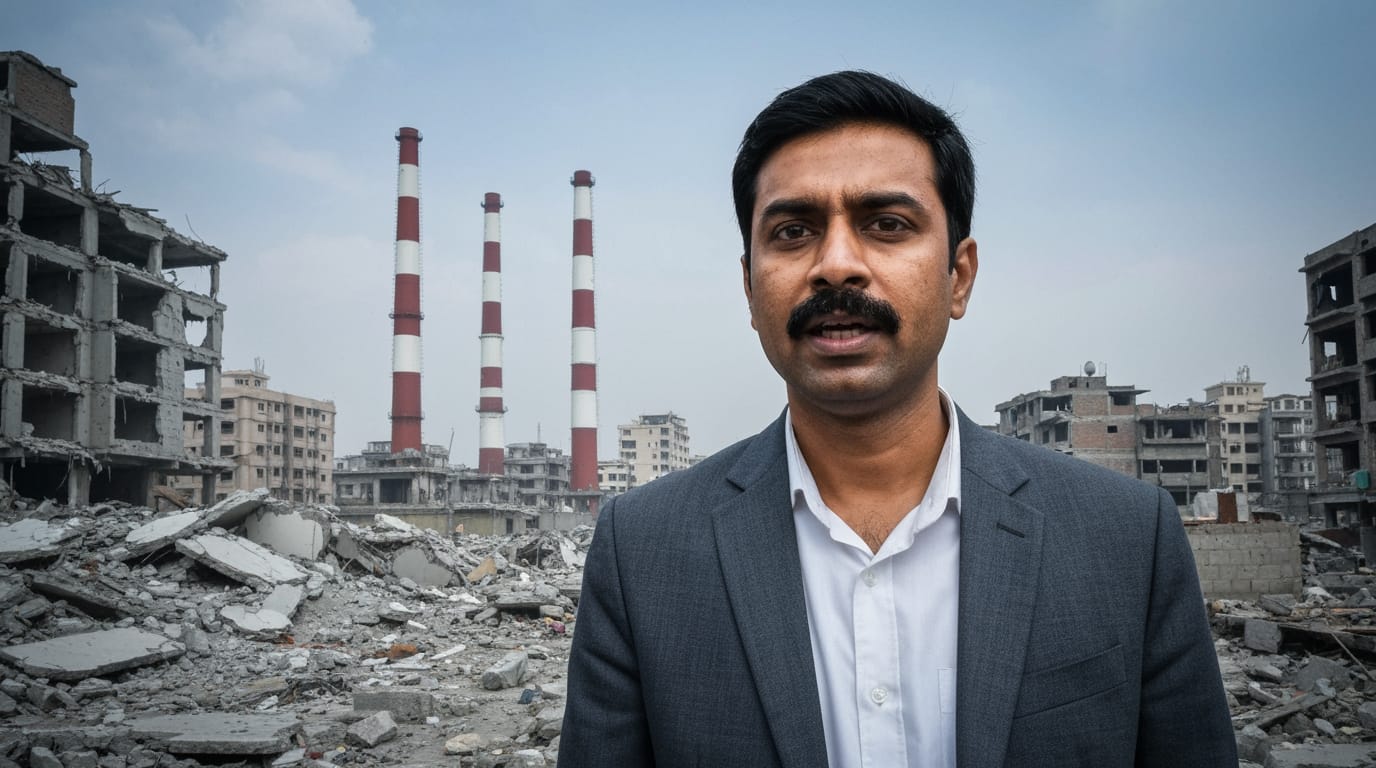
The post-World War II global order, long anchored by Western institutions and American leadership, is undergoing a profound transformation, opening an unprecedented era of opportunity and challenge for the Asian continent. As the traditional unipolar system gives way to a more multipolar world, Asia, with its burgeoning economies, technological prowess, and growing diplomatic influence, stands poised to play a defining role in shaping the international landscape of the 21st century. This seismic shift presents Asian nations with a unique chance to assert greater agency, forge new alliances, and champion alternative models of global governance, even as they navigate complex internal and external pressures.
The Crumbling Pillars of a Post-War Consensus
For decades, the international system largely operated under the framework of the U.S.-led liberal order, characterized by open markets, multilateral institutions, and democratic norms. However, this established structure is now experiencing significant strain. Factors such as the United States' perceived disengagement from its international role, rising protectionism, and a growing skepticism toward globalized systems have accelerated the erosion of this consensus. The U.S. shift towards prioritizing national interests and "Made in America" policies, coupled with strategic competition, particularly with China, signals a fundamental reorientation away from the prior vision of a borderless, liberal world. This retreat has paved the way for a more fragmented and competitive global environment, often described as a "multiplex" or multipolar order, where power is diffused among several major centers of influence.
Asia's Economic Ascent: A New Gravitational Center
Against this backdrop of global reordering, Asia's economic might has emerged as a central determinant of future international relations. The continent, home to over 4.7 billion people, has witnessed an unparalleled surge in economic power and geopolitical influence. By 2023, Asian economies accounted for over half of global output when measured in purchasing power parity (PPP), a dramatic increase from their relatively modest share in the early 2000s. The International Monetary Fund (IMF) estimates Asia's nominal GDP at approximately $42.2 trillion, representing about 36% of global economic output, surpassing North America and Europe.
This remarkable growth is fueled by robust industrialization, an expanding manufacturing base, rapid urbanization, and a dynamic embrace of technological innovation. Countries like China, India, and Vietnam have transformed into global manufacturing hubs, while South Korea and China lead advancements in fields such as artificial intelligence (AI) and 5G technology. Asia is rapidly becoming a global hub for tech innovation and trade, with projections indicating that the continent's fintech revenues could exceed North America's by 2030. This economic dynamism not only sustains Asia's own momentum but also positions it as a dominant source of global economic expansion, contributing an estimated 70% of global GDP growth over the decade leading up to 2025.
Forging Regional Cohesion and Alternative Global Frameworks
In response to the evolving global landscape, Asian nations are actively pursuing deeper regional cooperation and exploring alternative governance models. The proliferation of regional organizations and free trade agreements highlights a concerted effort to strengthen intra-Asian connectivity and reduce reliance on external powers. Initiatives such as the Association of Southeast Asian Nations (ASEAN), the Regional Comprehensive Economic Partnership (RCEP), and the Asia-Pacific Economic Cooperation (APEC) are critical in facilitating trade, enhancing infrastructure connectivity, and fostering regional integration. RCEP, in particular, offers duty-free access to a combined market of 2.2 billion people, underscoring the potential for increased intra-regional trade.
Moreover, there is a growing impetus for Asian and Global South nations to lead a "re-globalization" process, challenging the Western-centric nature of past international systems. The development of alternative institutions, such as the BRICS development bank, reflects a strategic move to bypass Western dominance and promote trade in local currencies. This shift signifies a desire to champion a rules-based order that is inclusive and reflective of diverse civilizational perspectives, rather than solely based on Western values.
Navigating Geopolitical Crosscurrents and Internal Divides
Despite the immense opportunities, Asia's path to shaping a new world order is fraught with significant complexities and challenges. The intensifying rivalry between the United States and China casts a long shadow over the region, compelling many nations to engage in a delicate balancing act. This competition spans trade, technology, military capabilities, and diplomatic influence, creating a complex interplay that can either stabilize or destabilize regional security. Countries in Southeast Asia, for instance, are increasingly finding it difficult to maintain a neutral stance, with the U.S.-China dynamic influencing their economic and security policies.
Furthermore, internal rivalries and historical grievances within Asia, such as trade and security disputes between Japan and South Korea, or territorial disputes, pose obstacles to seamless collective action. While Asian nations emphasize regionalism built on consensus and non-interference, the diversity of political systems and national interests can complicate unified responses to global challenges. Economic vulnerabilities also persist, with concerns that trade wars and protectionism could undermine the growth of export-dependent Asian economies. While China is a powerful rising force, its ambitions for global leadership are also viewed with some skepticism, and it faces challenges in offering alternative universal values and public goods to match its economic and military might.
A Pivotal Moment for Global Redefinition
The perceived collapse of the old world order truly presents a pivotal moment for Asia. The continent’s economic power, technological advancements, and commitment to regional integration offer a substantial foundation for asserting greater influence on the global stage. Asia can champion a more equitable, multipolar, and inclusive international system, leading efforts in "re-globalization" and sustainable development.
However, realizing this potential will require adept navigation of the intricate geopolitical landscape, particularly the U.S.-China rivalry, and addressing internal divisions. The ability of Asian nations to foster robust, inclusive cooperation, manage inherent complexities, and articulate a compelling vision for a new global order will ultimately determine the extent of their leadership. As the world transitions into an unpredictable future, Asia stands ready to redefine the global narrative, balancing opportunity with the formidable challenges that lie ahead.


