US-Iran Deal Hailed as 'Victory' by Hezbollah, Redrawing Regional Power Dynamics
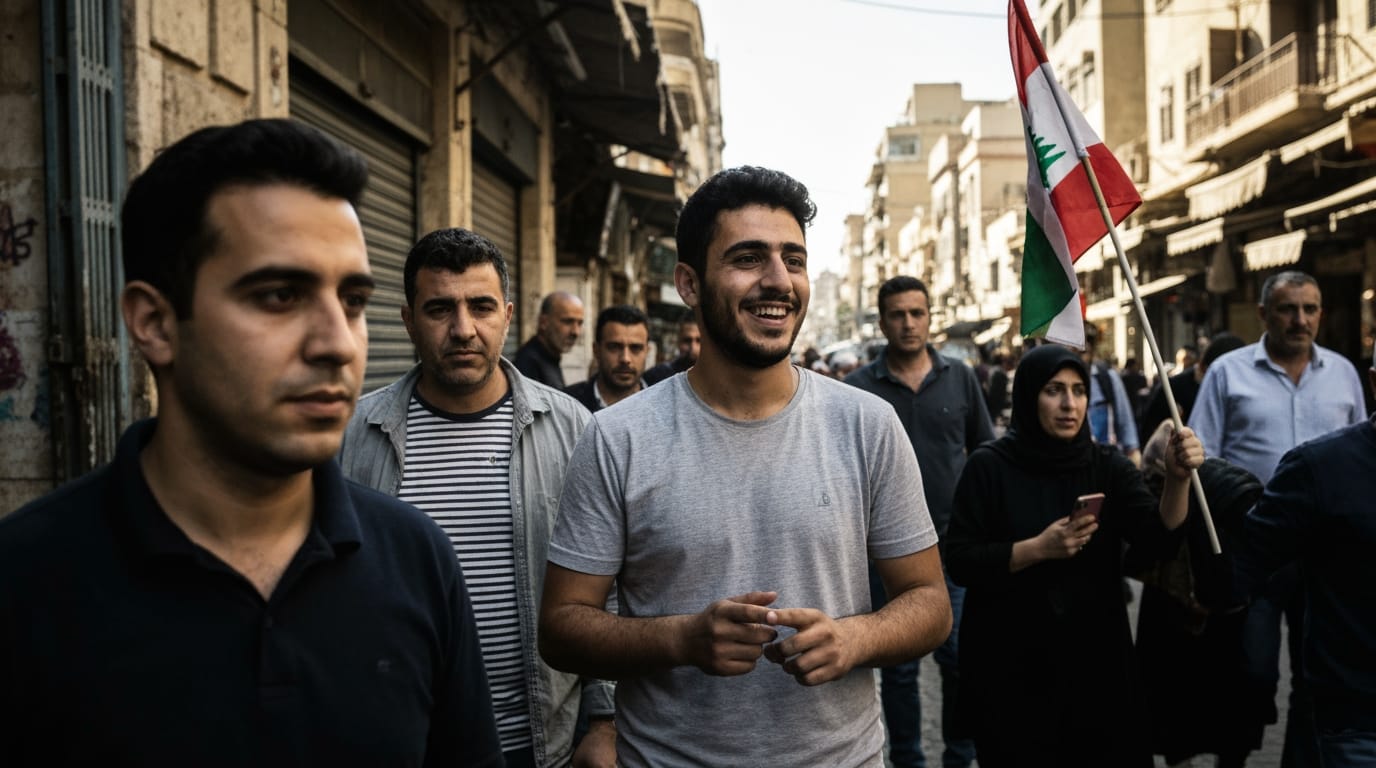
A newly inked interim understanding between the United States and Iran is poised to reshape the geopolitical landscape of the Middle East, with Lebanon's powerful militant group and political party, Hezbollah, declaring the accord a "great victory." While the deal aims to de-escalate hostilities and pave the way for broader diplomatic resolutions, its immediate implications suggest a potential bolstering of Iran's regional proxies, particularly Hezbollah, raising concerns among adversaries like Israel and adding another layer of complexity to Lebanon's already fragile internal situation.
The Accord and its Lebanese Dimension
The memorandum of understanding (MOU), recently signed by the United States and Iran, seeks to halt hostilities across various fronts, including a critical ceasefire in Lebanon, and reopen the Strait of Hormuz for commercial traffic. This interim agreement also sets the stage for future negotiations concerning Iran's nuclear program and the easing of international sanctions. Iran's insistence on the inclusion of a comprehensive ceasefire in Lebanon was a significant aspect of the deal, linking the cessation of fighting between Israel and Hezbollah to the broader regional settlement. While the full terms of the MOU have not been publicly disclosed, its existence marks a notable shift in the protracted tensions between Washington and Tehran.
This development comes after a period of intense regional conflict, which saw Hezbollah engaging in exchanges of fire with Israel in solidarity with Tehran, escalating into an Israeli offensive in southern Lebanon. The MOU is seen by some as an incentive for Iran to ensure its proxy groups remain in check, potentially preventing further destabilization. However, the agreement has already stirred diverse interpretations and reactions across the region, particularly regarding its long-term impact on the delicate balance of power.
Hezbollah's Proclaimed Triumph and Expected Gains
Hezbollah's leadership has wasted no time in characterizing the US-Iran understanding as a monumental achievement. Naim Qassem, a prominent Hezbollah chief, lauded the deal as a "great victory" and a "pivotal point" for Lebanon, suggesting it could be leveraged to compel Israel's complete withdrawal from Lebanese territory. Hezbollah officials have indicated that Iran informed them that negotiations with the United States could not proceed without a comprehensive ceasefire, thereby tying the diplomatic track directly to the ongoing conflict in Lebanon. The group believes that this linkage guarantees its survival and has firmly rejected any notions of disarmament that might arise from direct negotiations between Lebanon and Israel.
This declared victory arrives at a crucial time for Hezbollah, which has faced significant financial strain. Reports from March 2026 indicated that the militant group was experiencing a severe financial crisis, attributed to Israeli strikes on Iranian targets and disruptions in its funding networks and smuggling routes. The organization had reportedly been forced to cut back on cash payments and social stipends, which are vital for maintaining loyalty and supporting its vast network of social services in Lebanon.
Historically, Hezbollah has relied heavily on Iran for financial, military, and ideological support. Estimates suggest Iran provides Hezbollah with substantial annual funding, ranging from $700 million to $1 billion, in addition to weapons and training. A significant cash infusion resulting from the easing of sanctions on Iran would be a "game changer" for Hezbollah, enabling it to recover from recent wartime losses, aid its constituents, and potentially mend frayed political alliances within Lebanon. This anticipated financial boost would reinforce Hezbollah's position as a dominant political and military force, often described as a "state within a state" due to its extensive social welfare programs and independent military capabilities, including an arsenal of over 150,000 rockets and missiles.
Israel's Reservations and Broader Regional Unease
The US-Iran deal has been met with considerable apprehension and outright dismay in Israel. Israeli Prime Minister Benjamin Netanyahu has openly declared his country's continued commitment to maintaining troops in southern Lebanon "for as long as necessary," explicitly ruling out an immediate withdrawal despite the new accord. Israeli officials maintain their right to self-defense against Hezbollah attacks and view any deal that might limit their operations against the militant group with deep suspicion. Concerns abound in Israel that the agreement could inadvertently strengthen Hezbollah and other Iranian-backed militant organizations in the region by providing Tehran with economic relief.
The strategic implications extend beyond the immediate Israeli-Lebanese border. Other regional actors, particularly Gulf states, harbor unease about the potential for Iran to rebuild its capabilities and exert greater influence following any sanctions relief. Despite some Gulf Cooperation Council members playing mediating roles in achieving the agreement, the prospect of renewed Iranian regional assertiveness is a source of anxiety. The deal’s lack of explicit and robust provisions regarding Iran's ballistic missile program and its regional proxy network, including Hezbollah, has been noted, leading to concerns that core security issues have been deferred or insufficiently addressed. This sentiment reflects a broader regional apprehension about the reliability of external allies and the shifting dynamics of power.
Lebanon's Internal Divisions and Future Outlook
For Lebanon, the US-Iran understanding presents a complex mixture of potential relief and persistent challenges. The country has been mired in a severe economic crisis since 2019, exacerbated by the COVID-19 pandemic, the 2020 Beirut port explosion, and political instability. The Lebanese pound has experienced dramatic devaluation, and public services are in a state of collapse, leaving a significant portion of the population in poverty.
Amidst this internal turmoil, the Lebanese government finds itself in a precarious position, caught between Israel's continued military presence in the south and Hezbollah's entrenched military resistance, which operates largely outside state control. While the government has engaged in US-mediated negotiations with Israel aimed at de-escalation and potentially disarming Hezbollah, progress has been slow and challenging. Lebanese officials have also voiced calls for an end to military adventurism and the integration of Hezbollah's weapons into the state's control. However, the state currently lacks the means to enforce such policies effectively.
The return of displaced populations to southern Lebanon, following the recent hostilities, underscores the humanitarian dimension of the conflict. More than a million Lebanese, predominantly Shiite, have been displaced, many of whom are Hezbollah supporters. The destruction of homes and infrastructure in these areas further complicates the recovery efforts and puts additional pressure on the already strained government.
Conclusion: A Precarious Peace and Persistent Questions
The interim US-Iran agreement, hailed by Hezbollah as a "victory," initiates a delicate phase in regional diplomacy. While offering a much-needed de-escalation of direct hostilities and the promise of economic relief for Iran, the deal simultaneously raises significant questions about its long-term impact on Lebanon and the broader Middle East. Hezbollah's anticipated financial resurgence and reaffirmed strategic position will undoubtedly challenge regional stability and complicate efforts to assert Lebanese state sovereignty. Israel's firm stance against withdrawal from southern Lebanon signals a continuing flashpoint, while other regional actors watch with cautious optimism and underlying concern. The coming months will determine whether this diplomatic breakthrough genuinely paves the way for lasting peace or merely ushers in a new, complex chapter of geopolitical maneuvering, leaving Lebanon at the intersection of powerful, often conflicting, regional interests.


