Opposition Leader's House Arrest Intensifies Political Crisis in Volatile Guinea-Bissau
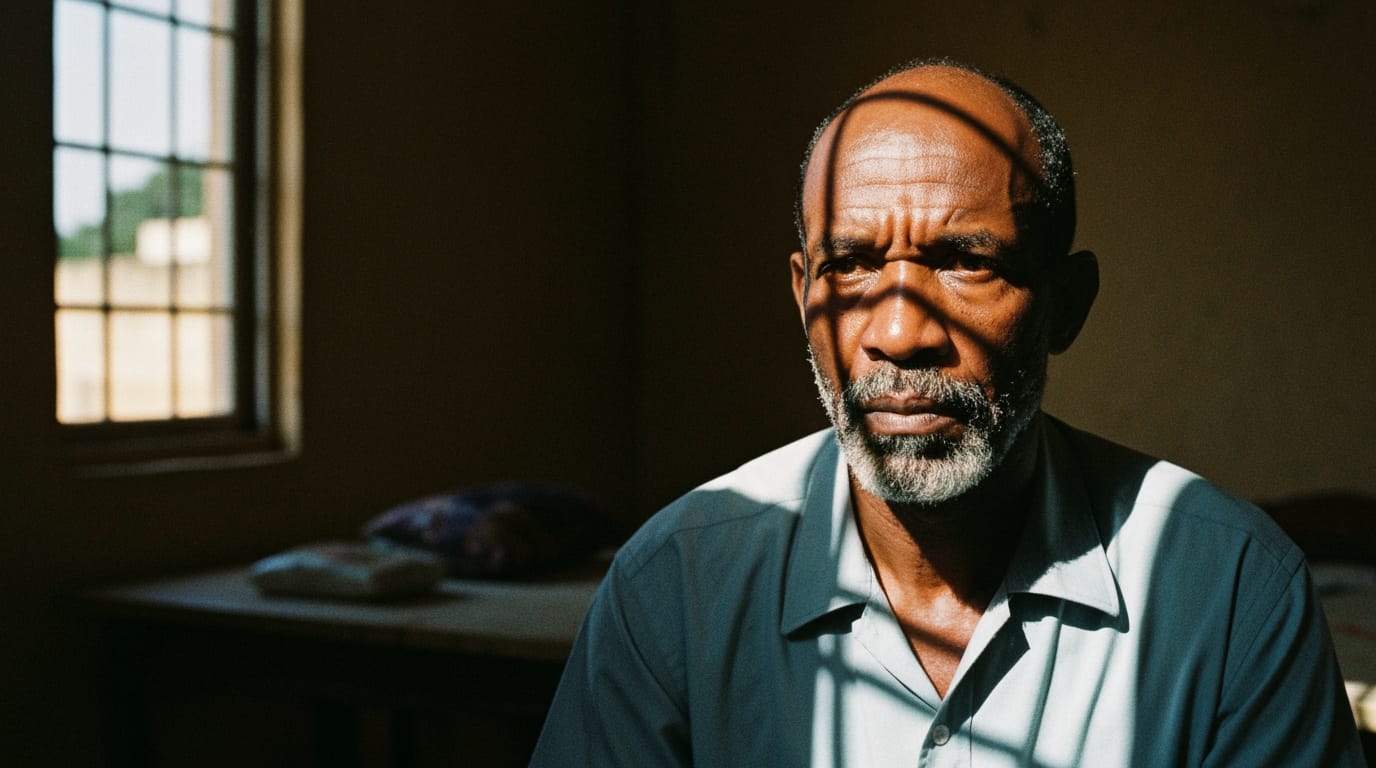
BISSAU, Guinea-Bissau – The already fragile democratic landscape of Guinea-Bissau has been further complicated by a military court's recent decision to maintain opposition leader Domingos Simões Pereira under house arrest. The ruling, issued on June 4, 2026, followed renewed questioning of Pereira regarding alleged involvement in multiple attempted coups, a development that casts a long shadow over the West African nation's tumultuous political future. With a history marred by military interventions and constitutional crises, the ongoing detention of such a prominent political figure underscores deep-seated tensions and raises significant concerns about the rule of law and democratic freedoms in the country.
The decision by the military court to keep Pereira, leader of the African Party for the Independence of Guinea and Cape Verde (PAIGC), confined to his residence stems from accusations linking him to alleged coup plots in 2023 and October 2025. Pereira was initially detained on November 26, 2025, during the military takeover that ousted then-President Umaro Sissoco Embaló and suspended the electoral process. He was subsequently released from prison and placed under house arrest in January 2026, a status that has now been reaffirmed by the military judiciary. Pereira's lawyer, João Paulo Indeque, vehemently denies the allegations, asserting that his client had no involvement in any efforts to subvert the constitutional order and fully cooperated with the court's proceedings. This formal denial stands in contrast to earlier statements from army commander Jorgito Biague, who, in January 2026, attributed Pereira's house arrest to "economic crimes" and indicated the matter was under civilian judicial purview, not military command. The conflicting justifications highlight the opacity surrounding the legal process and fuel skepticism among observers.
Guinea-Bissau's political trajectory since gaining independence from Portugal in 1974 has been one of chronic instability, characterized by a recurrent cycle of coups, attempted coups, and political violence. The nation has endured four successful military takeovers and numerous attempts to seize power, with few presidents completing their full five-year terms before the recent era. This pattern of disrupted governance deepened in recent years, particularly following the 2019 presidential election where Umaro Sissoco Embaló of the Madem G15 party narrowly defeated Domingos Simões Pereira. Tensions escalated with an alleged coup attempt in February 2022, and again in December 2023 when President Embaló dissolved the parliament after clashes related to the detention of two cabinet ministers on corruption charges. The PAIGC, which had secured a majority in the June 2023 legislative elections, denounced the dissolution as unconstitutional, leading to security forces blocking lawmakers from accessing the chamber. Further aggravating the political climate, Embaló arbitrarily postponed general elections initially slated for November 2024, citing instability and logistical challenges, a move that critics viewed as an attempt to consolidate his grip on power and which sparked a year-long constitutional crisis. This turbulent period culminated in the November 26, 2025, military coup, which saw Embaló overthrown and the electoral process suspended just days after a disputed general election where both the incumbent and opposition candidate Fernando Dias da Costa had claimed victory. General Horta N'Tam currently leads the transitional military government following the coup.
The continued house arrest of Domingos Simões Pereira, a leading figure of the political opposition, deepens concerns about democratic backsliding and the erosion of civic space in Guinea-Bissau. Human rights advocates argue that such measures suppress political discourse and target opposition figures, stifling any meaningful challenge to the current authorities. The government has demonstrated increasingly authoritarian tendencies, including a "divide-and-rule" strategy employed by former President Embaló and a broader crackdown on dissent, with instances of police violence against peaceful protesters and restrictions on freedom of expression in 2024. The opaque nature of Pereira's detention and the shifting justifications provided by authorities further undermine the rule of law and the independence of the judiciary. The international community, including organizations like ECOWAS, has expressed strong condemnation of the November 2025 coup and called for the restoration of constitutional order. Observers are closely monitoring the situation, recognizing that the continued confinement of opposition leaders could impede democratic progress and exacerbate an already volatile environment, potentially fueling further unrest. Russia, in contrast to other international partners, has reportedly deepened ties with Guinea-Bissau, with President Embaló having previously assured Russian President Vladimir Putin of Guinea-Bissau's status as a "permanent ally" in May 2024.
Beneath the surface of this immediate political crisis lie chronic underlying issues that have long plagued Guinea-Bissau, making it particularly vulnerable to instability. Economic stagnation, despite abundant natural resources, leaves the nation as one of the least developed countries globally, with approximately 40% of its population living in extreme poverty. This widespread poverty and lack of opportunity create fertile ground for discontent. Moreover, the pervasive influence of the military in political life, often intervening during periods of institutional uncertainty, remains a significant destabilizing factor. The country's unenviable designation by the United Nations as a "narcostate," due to the deep infiltration of drug cartels into state institutions, including the government, judiciary, and military, further compounds the political decay and exacerbates corruption. This nexus of political, economic, and criminal forces creates a complex web of challenges that makes a return to stable, democratic governance exceedingly difficult.
The house arrest of Domingos Simões Pereira is not merely an isolated legal matter but a symptom of Guinea-Bissau's enduring struggle for political stability and democratic consolidation. His continued confinement, against a backdrop of a recent military coup, dissolved parliament, and a history of interrupted constitutional processes, highlights the high stakes for the nation. Breaking this entrenched cycle of instability demands not only a commitment to transparent governance and respect for human rights but also a concerted effort to address the deep-rooted socio-economic issues and the corrosive influence of illicit activities. Without genuine dialogue and comprehensive reforms, Guinea-Bissau risks further descent into authoritarianism and prolonged political turmoil, with significant implications for its citizens and the broader West African region.


