Australia Forges New Digital Path: Under-16 Social Media Ban Takes Effect
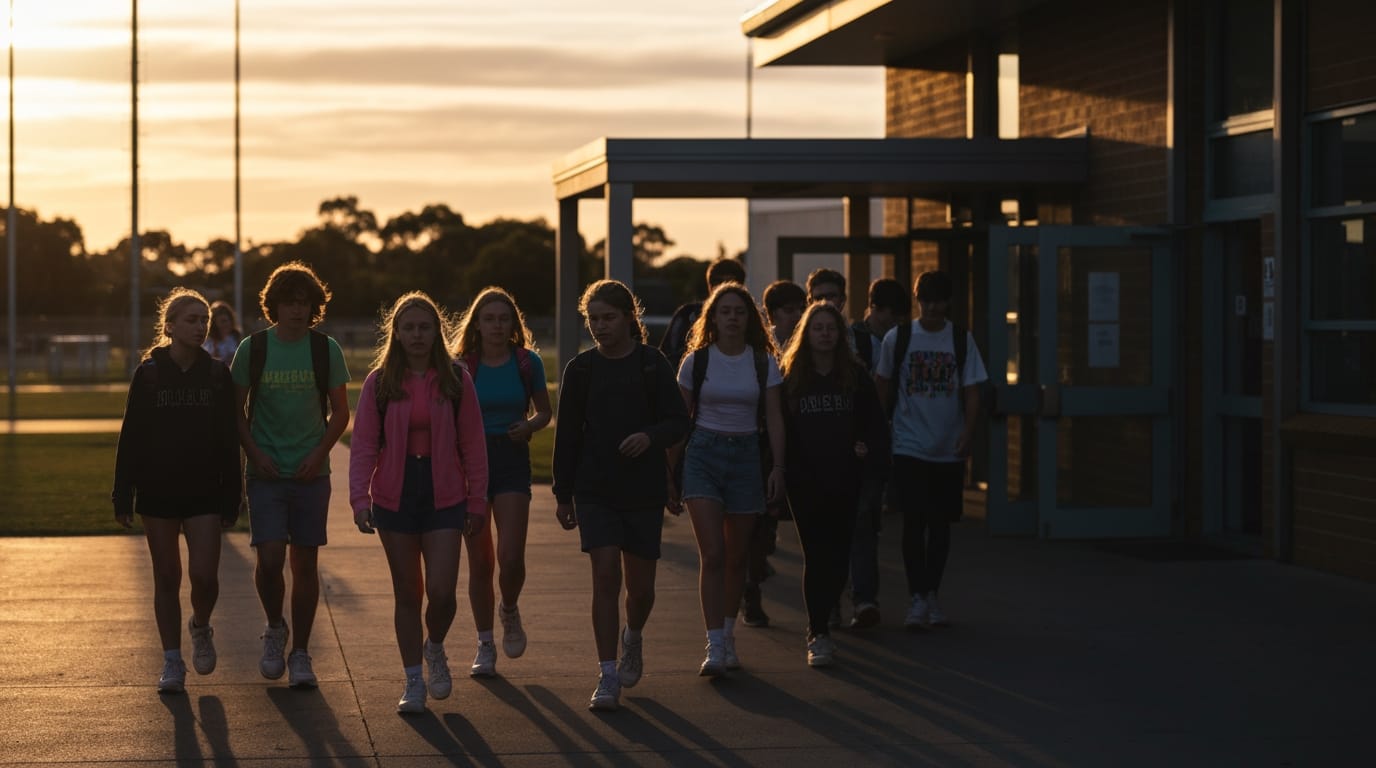
Sydney, Australia — In a world-first legislative move, Australia has officially implemented a nationwide ban preventing individuals under the age of 16 from accessing and maintaining accounts on major social media platforms, effective December 10, 2025. This landmark legislation, designed to shield young people from online harms and promote healthier development, has thrust Australia into the global spotlight, setting a potential precedent for countries grappling with the pervasive influence of digital platforms on youth. Millions of Australian children and teenagers are now unable to create or retain profiles on popular services such as TikTok, Instagram, YouTube, Snapchat, X, and Facebook, with severe financial penalties awaiting non-compliant tech companies.
A New Digital Frontier for Young Australians
The Online Safety Amendment (Social Media Minimum Age) Bill 2024, passed by the Australian Parliament on November 28, 2024, mandates a minimum age of 16 for accounts on designated social media platforms. This law explicitly states that parental consent cannot override the age restriction, underscoring the government's firm stance on protecting minors. The comprehensive list of affected platforms includes widely used services like Facebook, Instagram, Threads, X, YouTube, Snapchat, Reddit, Kick, and Twitch. Notably, messaging services such as WhatsApp, Messenger Kids, Kids Helpline, Google Classroom, and YouTube Kids are exempt from the ban, recognizing their different functionalities and perceived safety profiles.
The onus of enforcement lies squarely with the social media companies, not with individual users or their parents. Platforms that fail to take "reasonable steps" to prevent under-16s from accessing their services face substantial fines of up to A$49.5 million, approximately US$33 million, for each breach. This aggressive penalty structure highlights the Australian government's determination to ensure compliance and fundamentally reshape the digital landscape for its youth.
The Rationale Behind the Landmark Legislation
The Australian government has articulated a clear rationale for the ban, primarily citing concerns over the mental health and well-being of children and teenagers. Prime Minister Anthony Albanese emphasized that the measure aims to protect young Australians from "predatory algorithms" that can expose them to cyberbullying, harmful content, online predators, and contribute to anxiety and peer pressure. The decision was significantly influenced by the growing body of research on social media's impact on developing minds, with some reports specifically mentioning the book "The Anxious Generation" by American psychologist Jonathan Haidt as a catalyst for action.
Research by Australia's eSafety Commissioner revealed concerning statistics, indicating that 96% of Australian children aged 10 to 15 have used at least one social media platform. Of these, a staggering seven out of ten reported encountering harmful content, including violent, misogynistic, or hateful material, and content promoting self-harm. More than half experienced cyberbullying, and roughly one in seven reported encountering online grooming behavior. The eSafety Commissioner views the legislation not as an outright ban, but as a "delay" designed to provide "breathing space" for young people to develop crucial digital literacy, critical reasoning, impulse control, and greater resilience before engaging with complex online environments.
Navigating Implementation and Compliance Challenges
The practical implementation of this world-first ban hinges on social media companies' ability to accurately verify user ages and prevent circumvention. While no specific method is mandated, platforms are expected to employ "age assurance technologies." These can include facial and voice analysis, age inference based on online activity, and requiring uploaded identification documents. Companies like Meta (parent of Facebook and Instagram) and Snapchat began deactivating accounts of suspected under-16 users prior to the ban's effective date, using age-estimation systems. Reddit, despite calling the law "legally erroneous" and "arbitrary," confirmed its compliance, planning to use an age-prediction model for existing users and requiring birth dates for new sign-ups. Even X, initially a holdout, eventually committed to compliance.
However, the rollout has not been without its challenges. There have been reports of "teething problems," with some under-16s reportedly passing age assurance tests. The government acknowledges that the ban will likely not be "100% perfect" from day one. Concerns are also rising about teenagers finding workarounds, such as using Virtual Private Networks (VPNs) or creating accounts with false age information. Some parents have even admitted to teaching their children how to bypass the restrictions, highlighting the complex reality of enforcement in a digitally savvy generation. Social media companies themselves have voiced concerns, with YouTube suggesting the ban could push younger users to "less safe" corners of the internet by denying them access to platforms with built-in safety filters.
Divided Opinions: Safeguarding Youth vs. Digital Rights
The new law has ignited a passionate debate across Australia and beyond, reflecting a global struggle to balance child protection with digital freedoms. Public polling indicates strong support for the ban, with 73% of Australians backing the initiative, and even higher support among parents (75%) and teachers (84%). Many parents and child advocates have welcomed the ban as a necessary intervention, providing a "support framework" to limit their children's social media exposure.
Conversely, a chorus of experts, academics, and civil liberties groups has expressed significant reservations. Professor Chris Ferguson, a Professor of Psychology at Stetson University, argued there is "little evidence that this law will have any positive effect" on youth mental health, pointing to the failures of similar bans in other countries. Professor Pete Etchells of Bath Spa University criticized the "climate of fear" driving such "one-size-fits-all solutions," noting that research shows only small, mixed effects of social media on mental health. Critics argue the ban is a "blunt instrument" that could infringe upon children's rights to access information, connect with peers, and participate in civic life, potentially isolating vulnerable youth who rely on online communities. There are also fears that a blanket ban might disincentivize platforms from developing better safety features for younger users.
Human interest elements underscore this divide. While some parents express relief, others describe their children as "distressed" over losing access to their social networks. Teenagers themselves offer mixed reactions; some view it as a potential "detox" from the pressures of online appearance, while others fear isolation and a loss of connection to their primary means of social interaction.
A Global Precedent and Unfolding Impact
Australia's bold step is being closely watched by governments worldwide, with countries like Denmark, France, Norway, and Malaysia already considering similar age-based restrictions. The European Union is also developing initiatives to tighten restrictions on children's social media use, viewing Australia's approach as a significant reference point.
This legislation marks a pivotal moment in the ongoing battle between regulatory bodies and tech giants. It reflects a growing consensus among policymakers that the "Wild West era" of social media, particularly concerning child safety, is drawing to a close. However, the long-term effectiveness of the ban, its true impact on youth mental health, and the extent to which it can be successfully enforced remain subjects of intense scrutiny and ongoing evaluation. An independent academic advisory group will assess the short-term, medium-term, and long-term impacts, including both intended benefits and any unintended consequences. As Australia embarks on this uncharted digital territory, the world watches to see if this pioneering legislation will indeed forge a safer online future for the next generation.


