Australia Mandates Divestment: Foreign Firms Ordered to Sell Stakes in Key Rare Earths Miner Amid National Security Concerns
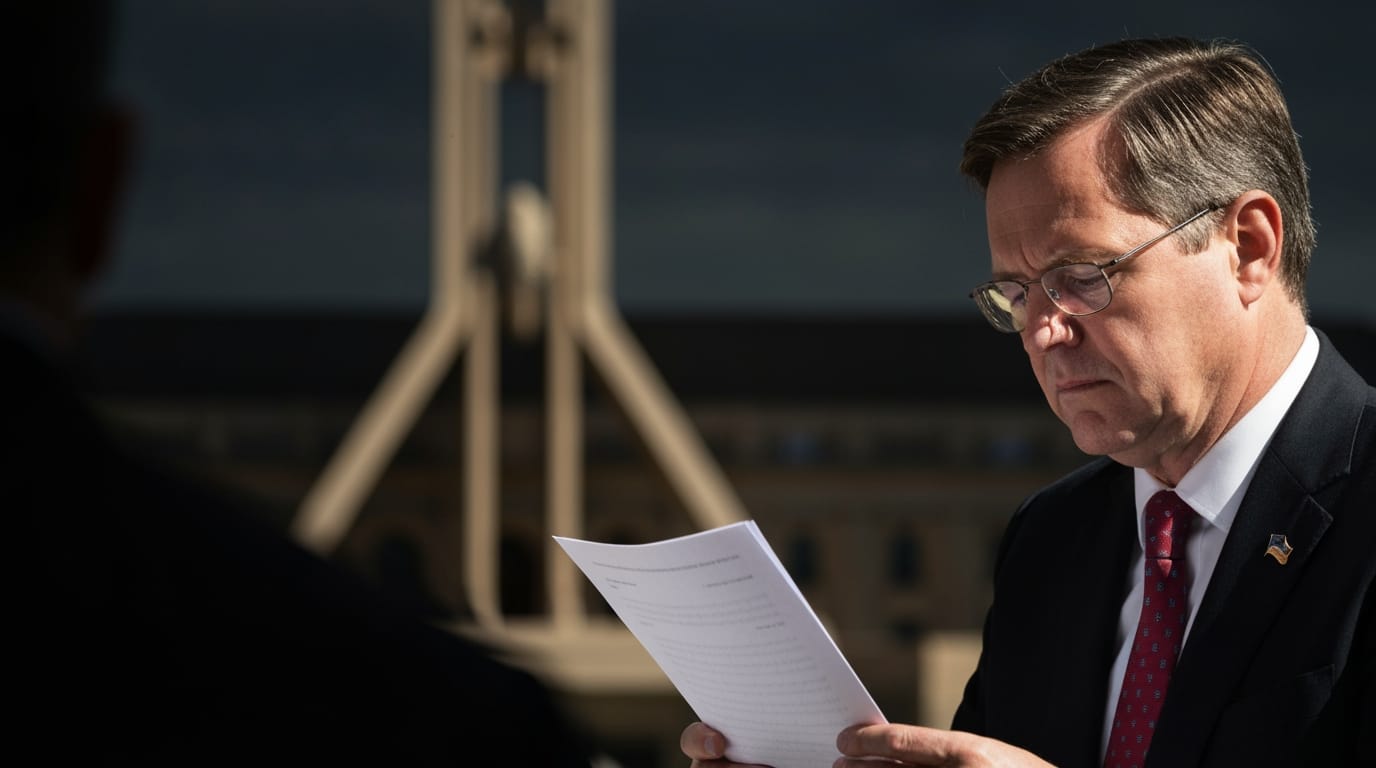
CANBERRA, Australia – In a decisive move underscoring the escalating global competition for critical mineral resources, Australia has ordered several foreign companies and individuals to divest their shares in Northern Minerals Ltd., a pivotal rare earths miner. The directive, issued by Treasurer Jim Chalmers, cites national interest grounds, marking the latest escalation in Canberra’s efforts to safeguard its strategic assets and secure its critical minerals supply chain against undue foreign influence. This action builds on previous divestment orders and highlights the increasing geopolitical importance of rare earths, essential for advanced technologies and defense applications.
The Latest Directive and Lingering Concerns
Australian Treasurer Jim Chalmers recently issued orders compelling six shareholders to divest their stakes in Northern Minerals within a two-week period. The targeted entities include Hong Kong Ying Tak Ltd, Real International Resources Ltd, Qogir Trading & Service Co Ltd, Chuanyou Cong, Vastness Investment Group Ltd, and Zhongxiong Lin. The Treasury stated that five of these shareholders are registered in China or Hong Kong, with one in the British Virgin Islands. Collectively, these entities hold approximately 17.6% of the miner's shares, valued at nearly A$41 million. This follows an earlier directive in 2024, which ordered five other China-linked parties, including Yuxiao Fund Pte Ltd, to reduce their shareholdings, with Yuxiao Fund specifically given 60 days to dispose of 80 million shares it acquired in September.
The current orders represent a continuation of a protracted saga surrounding foreign investment in Northern Minerals. Concerns had previously emerged that some parties had not complied with the 2024 directive, with the Foreign Investment Review Board (FIRB) reportedly believing that three of the five original Chinese parties had transferred shares to Hong Kong Ying Tak in breach of the initial order. The Australian government has even pursued legal action against a Chinese company for violating earlier divestment instructions, prevailing in court last year. This latest round of compulsory divestments underscores Australia's resolve to enforce its foreign investment framework, particularly in sectors deemed vital for national security.
National Security and the Race for Critical Minerals
At the heart of Australia's intervention lies the strategic significance of rare earth elements. These 17 metals are indispensable components in a vast array of modern technologies, from electric vehicles and wind turbines to advanced defense systems such as precision-guided missiles and military radar. The global demand for these minerals is surging, driven by the clean energy transition and increasing geopolitical competition.
China currently holds a near-monopoly on rare earth production and processing, controlling an estimated 70% of global refining capacity for 19 out of 20 critical minerals. This dominance has created significant supply chain vulnerabilities for Western nations, including Australia and the United States, which are actively seeking to diversify their sources and reduce reliance on Beijing. The Browns Range project, being developed by Northern Minerals in Western Australia, is particularly crucial as it is a significant deposit of heavy rare earth elements, specifically dysprosium and terbium, which are vital for military applications. Ensuring Australian control over such projects is seen as paramount to building resilient supply chains and protecting national interests.
The Northern Minerals Investment Saga
Northern Minerals, a Perth-based rare earths exploration and development company, has been at the center of foreign investment scrutiny for several years. The company is developing the Browns Range project, located in the Pilbara region, which aims to become a key non-Chinese supplier of heavy rare earths. The Foreign Investment Review Board (FIRB) plays a critical role in reviewing and approving foreign investments in Australia, especially those with national security implications.
The controversy gained prominence when the FIRB blocked Singapore-based Yuxiao Fund, controlled by Chinese national Wu Yuxiao (also identified as Wu Tao, chairman of Jinan Yuxiao Group), from increasing its stake in Northern Minerals to nearly 20% in 2023, citing national security concerns. Despite this, Northern Minerals subsequently referred "certain share buying activity" to the FIRB for investigation in October of the same year, suspecting that Wu Tao might have used proxies to circumvent the blocked increase. This led to the initial divestment order in 2024. The company's chairman, Adam Handley, emphasized Northern Minerals' duty to act in the best interests of shareholders and uphold governance standards by referring the matter to the FIRB. The attempts by various China-linked investors to accumulate significant stakes and even seek board representation in Northern Minerals have been viewed by Australian authorities as attempts to exert control over a strategically vital asset.
Australia's Broader Critical Minerals Strategy
The aggressive enforcement of foreign investment rules in the Northern Minerals case aligns with Australia's broader national strategy to develop its critical minerals sector and secure robust supply chains. The Australian government is actively committed to increasing its critical minerals capacity through exploration, extraction, processing, and value-adding activities. This includes significant financial backing, such as the A$1 billion pledge to Iluka Resources' Eneabba rare earths refinery and initiatives like the A$4 billion Critical Minerals Facility, administered by Export Finance Australia (EFA). The National Reconstruction Fund (NRF), a A$15 billion initiative, also earmarks A$1 billion for value-adding in the resources sector, including the processing and refining of critical minerals.
Canberra is also forging international partnerships to bolster its position. A recent bilateral agreement with Japan on critical minerals, energy, and food supply chains aims to establish frameworks for co-investment and reduce dependence on Chinese suppliers. This partnership, involving substantial funding from both nations, seeks to create alternative sourcing channels and improve supply continuity, reflecting a global trend among Western nations to de-risk critical mineral supply chains. The Australian government views foreign investment as crucial for the sector's growth, but only if it aligns with national interests and adheres to a robust regulatory framework designed to prevent undue influence over strategic assets.
Conclusion
Australia's persistent actions to compel foreign entities to divest stakes in Northern Minerals underscore a clear message: the nation is prepared to exert its sovereign rights to protect its critical mineral assets. This ongoing dispute highlights the profound geopolitical and economic implications of rare earth elements in the 21st century. As Western nations strive to reduce their reliance on dominant suppliers and build resilient supply chains for green energy and defense, Australia’s strategic reserves and its proactive stance on foreign investment will continue to shape the global landscape of critical minerals. The saga surrounding Northern Minerals serves as a potent example of a nation prioritizing its long-term national security and economic independence in a fiercely competitive global environment.


