Australia, New Zealand Commemorate Anzac Day, Marking 110 Years Since Gallipoli Landing
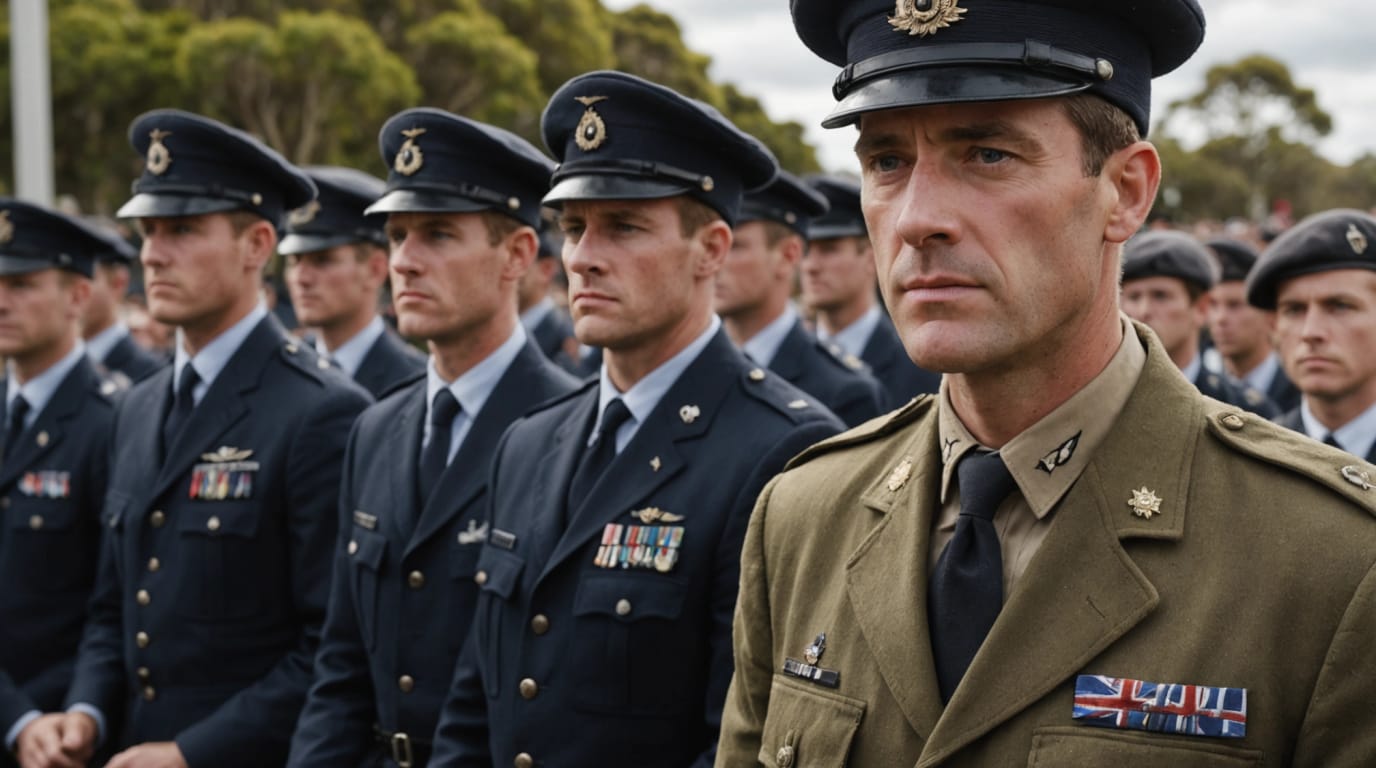
Across Australia and New Zealand, solemn ceremonies and parades marked Anzac Day on April 25, 2025, commemorating the 110th anniversary of the Australian and New Zealand Army Corps (ANZAC) landing at Gallipoli. From dawn services at war memorials to marches through city streets, communities paused to remember the sacrifices of veterans and honor their service.
Dawn Services and Remembrance
The day began with traditional dawn services held at war memorials throughout both countries. These services, mirroring the time of the original landing at Gallipoli, included hymns, prayers, addresses, wreath-laying, recitations, the Last Post, periods of silence, and the national anthems. Thousands of citizens, including veterans, defense personnel, and members of the public, gathered in quiet reflection to pay their respects.
In New Zealand, businesses were required to close for half the day, underscoring the day's significance. Prime Minister Christopher Luxon attended the dawn service in Gallipoli, Türkiye, emphasizing the government's support for veterans and the defense community.
The Gallipoli Campaign: A Defining Moment
Anzac Day commemorates the anniversary of the first major military action fought by Australian and New Zealand forces during World War I. On April 25, 1915, the Anzacs landed on the Gallipoli Peninsula in what is now Türkiye, as part of an Allied expedition to capture Constantinople and knock the Ottoman Empire out of the war.
The campaign faced fierce resistance from Turkish defenders, resulting in a protracted and costly stalemate. After eight months of fighting, Allied forces were evacuated, having failed to achieve their military objectives. More than 130,000 men died during the Gallipoli campaign, including over 8,700 Australians and approximately 2,770 New Zealanders, representing about a fifth of the New Zealanders who fought there.
Evolving Meaning of Anzac Day
While the Gallipoli campaign itself was a military failure, the courage and resilience displayed by the Anzac soldiers left an indelible mark on the national identities of both Australia and New Zealand. The Anzac legend, forged in the harsh conditions of Gallipoli, became an important symbol of national pride, camaraderie, and sacrifice.
Originally conceived to honor those who served in the Gallipoli campaign, Anzac Day has evolved to commemorate all Australians and New Zealanders who have served and died in all wars, conflicts, and peacekeeping operations. It is a day to remember the contribution and suffering of all those who have served their countries.
Commemorative Traditions and Symbols
Several traditions and symbols are associated with Anzac Day. Dawn services remain a central part of the commemorations, providing a solemn opportunity for reflection and remembrance. Marches take place later in the day, with current and former servicemen and women parading through city streets. Wreaths are laid at war memorials to honor the fallen.
The Anzac biscuit, a sweet treat made from rolled oats, sugar, flour, coconut, butter, and golden syrup, has also become a symbol of Anzac Day. Originally known as the Soldiers' Biscuit, it was sent to soldiers during World War I and has become a legally protected commodity in Australia, inextricably linked to the Anzac tradition.
A Lasting Legacy
As Australia and New Zealand marked the 110th anniversary of the Gallipoli landing, Anzac Day served as a reminder of the enduring legacy of the Anzacs and the importance of honoring those who have served their countries. The day's commemorations provided an opportunity for communities to come together, reflect on the sacrifices of the past, and reaffirm their commitment to peace and remembrance. The spirit of Anzac, forged in the crucible of war, continues to resonate in the hearts of Australians and New Zealanders, shaping their national identity and inspiring future generations.


