Australia Vows Stronger Gun Laws After Devastating Bondi Beach Terror Attack
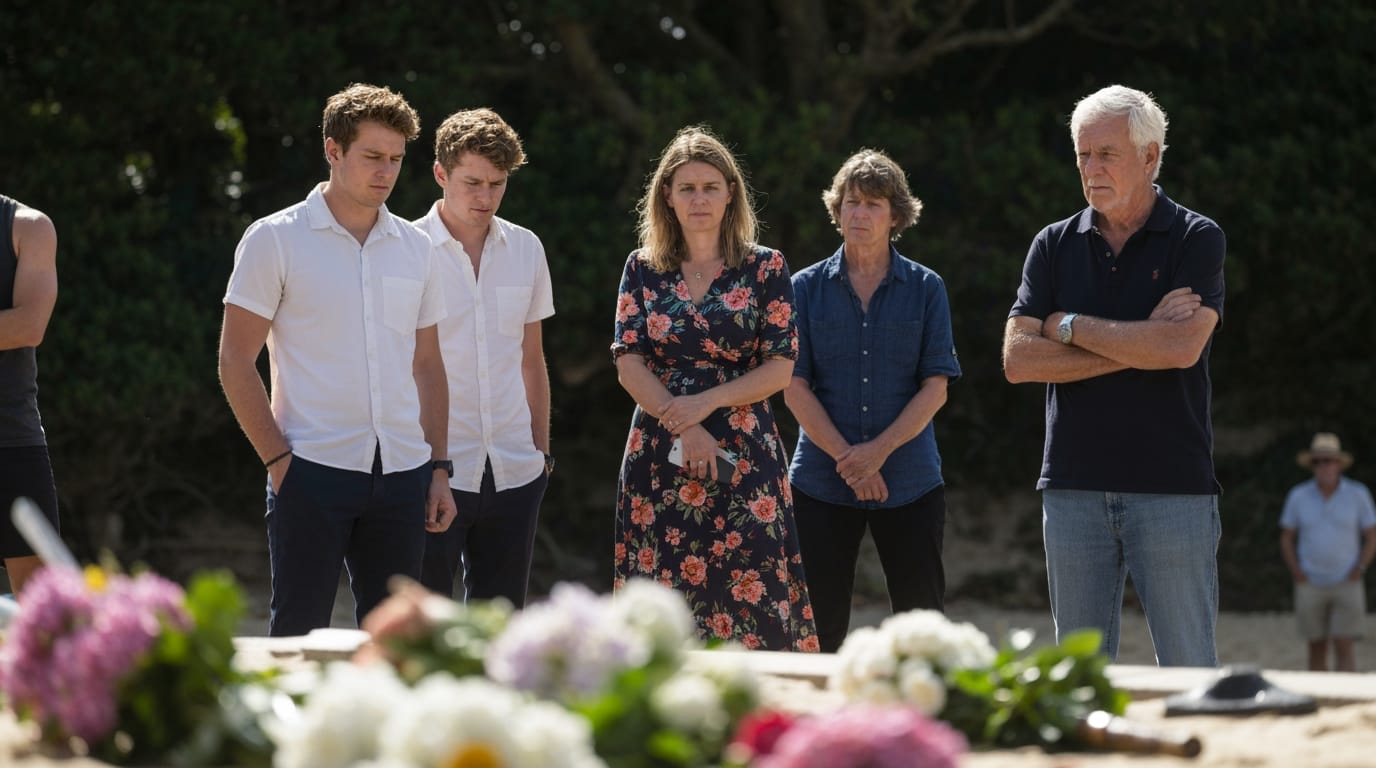
SYDNEY, Australia – In the wake of a horrific mass shooting that claimed 15 lives and injured dozens at a Hanukkah celebration on Bondi Beach, Australian Prime Minister Anthony Albanese announced an immediate overhaul of the nation’s already stringent gun control legislation. The December 14, 2025, attack, described by authorities as a terrorist incident with antisemitic motives, has shaken the country and prompted a swift, unified response from federal and state leaders to prevent future tragedies.
The shocking event, which saw a father and son open fire on crowds gathered for "Chanukah by the Sea" at Archer Park, has reignited the debate over firearm accessibility, particularly concerning licensed gun owners. One of the alleged perpetrators, 50-year-old Sajid Akram, legally possessed six firearms and held a license for a decade, highlighting a critical vulnerability in Australia's otherwise robust gun laws. The government’s resolve to act quickly underscores a national commitment to public safety that has been a cornerstone of Australian policy since the landmark 1996 Port Arthur massacre.
The Attack: A Celebration Turned Tragedy
The tranquility of Sydney’s iconic Bondi Beach was shattered on Sunday, December 14, 2025, when a mass shooting erupted during a Hanukkah celebration. The attack, targeting the "Chanukah by the Sea" event at Archer Park, resulted in the deaths of 15 innocent people, including a child, and left many others wounded. Authorities swiftly identified the alleged assailants as a father and son, Sajid Akram and Naveed Akram, underscoring the domestic nature of the terror. One of the gunmen was killed at the scene by police, while the second was apprehended and hospitalized under guard.
The incident was immediately declared a terrorist act, and Prime Minister Anthony Albanese condemned it as a "targeted attack on Jewish Australians," aligning with police assessments of an antisemitic motive. The presence of two alleged ISIS flags in the gunmen's car, although unconfirmed by New South Wales police, further fueled the terror narrative. The tragic scale of the event marks it as Australia's deadliest mass shooting in nearly three decades, drawing somber comparisons to the 1996 Port Arthur massacre that fundamentally reshaped the nation's approach to gun control.
A Licensed Loophole: Questions Emerge Over Gun Ownership
A critical detail emerging from the investigation has been the revelation that Sajid Akram, the elder assailant, was a licensed gun owner who had legally obtained six firearms over a decade. He was also a member of a gun club, a factor that had allowed him to possess the long-arm weapons used in the attack. This fact has sparked urgent questions about the efficacy of existing licensing protocols, even within a country renowned for its strict gun laws. Concerns have been growing among gun control advocates that despite Australia's "gold standard" framework, firearms remain too accessible, with a noted increase in registered weapons since 1996. The fact that a known individual, Naveed Akram, the younger alleged shooter, had previously been investigated by ASIO in 2019, albeit deemed "not an immediate threat," adds another layer of scrutiny to the system.
Government's Decisive Response: Tougher Laws on the Horizon
In an immediate and decisive move, Prime Minister Anthony Albanese convened a National Cabinet meeting with state and territory leaders on Monday, December 15, 2025, to address the national security implications of the attack. Following the meeting, Albanese announced a consensus to strengthen Australia's gun control laws, building upon the foundations laid after the Port Arthur massacre. The proposed reforms aim to close identified loopholes and further restrict firearm access.
Key measures agreed upon or under consideration include:
- Limiting Firearm Ownership: Implementing stricter limits on the number of guns any single individual can lawfully own.
- Periodic License Reviews: Introducing regular, mandatory reviews of firearm licenses, asserting that "Licences should not be in perpetuity" given that individuals' circumstances and radicalization potential can change over time.
- National Firearms Register: Accelerating work on strengthening and consolidating the national firearms register, which was already agreed upon in December 2023.
- Criminal Intelligence Integration: Allowing for increased use of criminal intelligence to inform firearms licensing decisions.
- Citizenship Requirement: Exploring the introduction of Australian citizenship as a condition for holding a firearm license.
- Importation Restrictions: Commencing work on potential further Customs restrictions for firearm and weapon-type importations, including those related to 3D printing, novel technology, and equipment designed for large ammunition capacities.
These measures signify a renewed commitment to preventing gun violence and terrorism, with specific efforts to target "massive weapons" that pose a public danger, particularly when not tied to agricultural or farming purposes.
Australia's Legacy of Gun Control and Future Challenges
Australia has long been lauded internationally for its stringent gun control measures, particularly those implemented following the 1996 Port Arthur massacre. The National Firearms Agreement (NFA) of 1996 introduced a mandatory buyback scheme, resulting in the destruction of over a million firearms, and imposed strict regulations on semi-automatic weapons and licensing requirements. This framework has been widely credited with a significant reduction in gun violence across the nation.
However, the recent Bondi Beach attack, following previous security concerns including the Bondi Junction stabbings in April 2024, has brought to light new challenges. While the 2024 stabbing incident highlighted the potential for mass casualties even without firearms, the December 2025 shooting underscores that even the "gold standard" of gun laws requires constant vigilance and adaptation in the face of evolving threats. The increasing number of registered firearms in the community since the 1996 reforms, coupled with emerging threats like 3D-printed guns, demands ongoing attention and strengthening of regulations.
A Nation United Against Violence
The Bondi Beach terror attack has deeply impacted the Australian community, particularly the Jewish community, during a significant religious holiday. The government's rapid and comprehensive response reflects a national determination to uphold public safety and eradicate antisemitism, hate, violence, and terrorism. By moving to limit individual firearm ownership, review licenses, and enhance national registers, Australia aims to reinforce its position as a global leader in gun control, demonstrating that even strong laws can and must be further strengthened when confronted with new forms of violence and terror. The memory of the 15 lives lost will undoubtedly serve as a potent catalyst for these critical reforms, as the nation strives to ensure such a tragedy is never repeated.


