Baden-Württemberg Implements Sweeping New Smoking Restrictions in Public Spaces
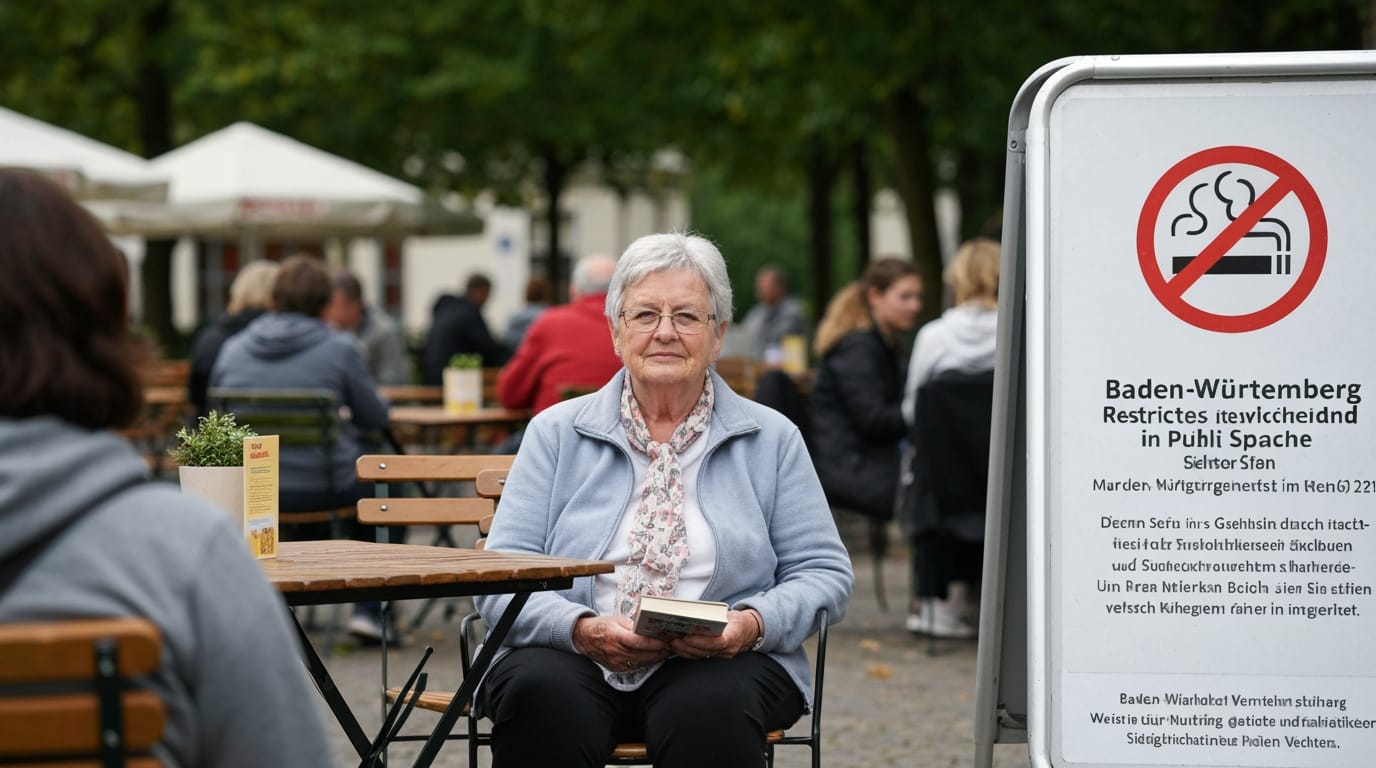
STUTTGART, Germany – The German state of Baden-Württemberg has significantly expanded its non-smoker protection laws, introducing comprehensive restrictions on smoking in numerous public areas, effective June 1, 2026. The revised legislation targets spaces frequently used by children and teenagers, including playgrounds, public transport stops, and outdoor recreational facilities, and now explicitly extends to e-cigarettes, vapes, and shishas, regardless of their nicotine content. This move underscores a concerted effort to enhance public health and shield vulnerable populations from the dangers of passive smoke exposure.
Protecting Vulnerable Populations
The core objective of the newly enacted Non-Smoker Protection Act in Baden-Württemberg is to strengthen health protection, particularly for children, young people, and other vulnerable individuals, by minimizing their exposure to secondhand smoke. This amendment marks a substantial shift in the state's approach, expanding upon a foundational smoking ban initially established in August 2007, which had previously allowed for more exemptions. While smoking rates in Baden-Württemberg have seen a gradual decline, dropping from 21.2% in 2017 to 17.4% in 2021, the health risks associated with both active and passive smoking remain a significant public health concern. Studies have indicated that passive smoking can elevate the risk of lung cancer and stroke by 20% to 30%, highlighting the critical importance of these public space restrictions.
The updated law eliminates previous distinctions between traditional tobacco products and newer alternatives. E-cigarettes, vapes, and shishas are now subject to the same prohibitions, a decision justified by state legislators who point to the release of potentially harmful substances and aerosols during their heating and vaporization processes. This comprehensive approach reflects a broader understanding of airborne contaminants and aims to close loopholes that might have previously undermined non-smoker protection efforts.
Expanded Smoke-Free Zones and Remaining Exceptions
Under the new regulations, smoking is now explicitly prohibited in a wide array of public outdoor spaces. These include all public children's playgrounds, bus and tram stops, outdoor swimming pools, zoos, and amusement parks. Schoolyards are now entirely smoke-free zones, with no designated areas permitted, and previously allowed smoking rooms in government buildings have been abolished. These measures aim to create unequivocally smoke-free environments where children and young people congregate and where the general public engages in daily activities.
Despite the stricter overall framework, certain exceptions and designated smoking areas will continue to be permitted. In the hospitality sector, outdoor areas of restaurants remain exempt from the ban. Small, single-room pubs with a floor area less than 75 square meters, provided they do not serve hot food, may still allow smoking. Larger establishments such as multi-room restaurants, discotheques, shisha bars, and gambling halls can maintain separate, clearly marked smoking rooms, strictly accessible only to adults. Furthermore, temporary festival tents, including those for beer, wine, or other events, are also exempt from the new rules, reportedly due to their short-term nature and the perceived lower risk of prolonged exposure. While zoos, amusement parks, and outdoor swimming pools are largely smoke-free, they retain the option to establish clearly separated and non-disruptive designated smoking zones within their premises.
Enforcement and Penalties
The responsibility for enforcing these new restrictions primarily falls on local municipalities and the operators of the affected venues and facilities. To ensure compliance and deter violations, a tiered system of fines has been introduced. Individuals found smoking or vaping in prohibited areas face penalties of up to €200 for a first offense. Repeat violations within a year can result in fines increasing to €500.
For businesses and venue operators, the financial consequences of non-compliance are considerably steeper. Failing to enforce the new rules can lead to fines of up to €3,330, with repeat violations potentially incurring penalties as high as €6,500. This robust penalty structure underscores the state government's commitment to ensuring widespread adherence to the updated non-smoker protection measures. Authorities, such as transport authorities in Stuttgart, are actively implementing signage and deploying staff and security personnel to monitor and ensure compliance.
A Broader Public Health Imperative
The recent legislative changes in Baden-Württemberg reflect a growing public health imperative within Germany and align with broader European trends towards stricter anti-smoking regulations. Germany has historically been characterized by relatively lenient smoking laws compared to many of its European neighbors, earning it the moniker "smoker's paradise" in some circles due to its widespread smoking and low tobacco taxes. While federal law regulates the manufacture and advertisement of tobacco, the individual German states have historically held autonomy over smoking regulations in public places, leading to a patchwork of varying restrictions across the country.
The amendment to Baden-Württemberg's Non-Smoker Protection Act was shaped, in part, by a comprehensive public participation process. A Citizens' Forum, comprising 51 randomly selected citizens, discussed the issue in July 2025, providing recommendations for extending non-smoker protection, particularly in outdoor areas. This inclusive approach allowed for diverse perspectives to influence the legislative process, balancing public health concerns with practical considerations for businesses and event organizers. The new law strives to balance individual freedoms with the collective right to a smoke-free environment, especially for those most susceptible to the adverse effects of secondhand smoke.
The expansion of smoking bans in Baden-Württemberg represents a significant step towards creating healthier public spaces for all residents. By addressing both traditional and modern forms of smoking and focusing on areas frequented by children, the state aims to reinforce a culture of health and reduce the long-term societal burden of tobacco-related illnesses. The robust enforcement mechanisms and substantial penalties signal a serious commitment to this public health initiative, setting a potential precedent for other German states to further tighten their own non-smoker protection laws.


