Bangladesh Grapples with Election Credibility Amidst Political Transition
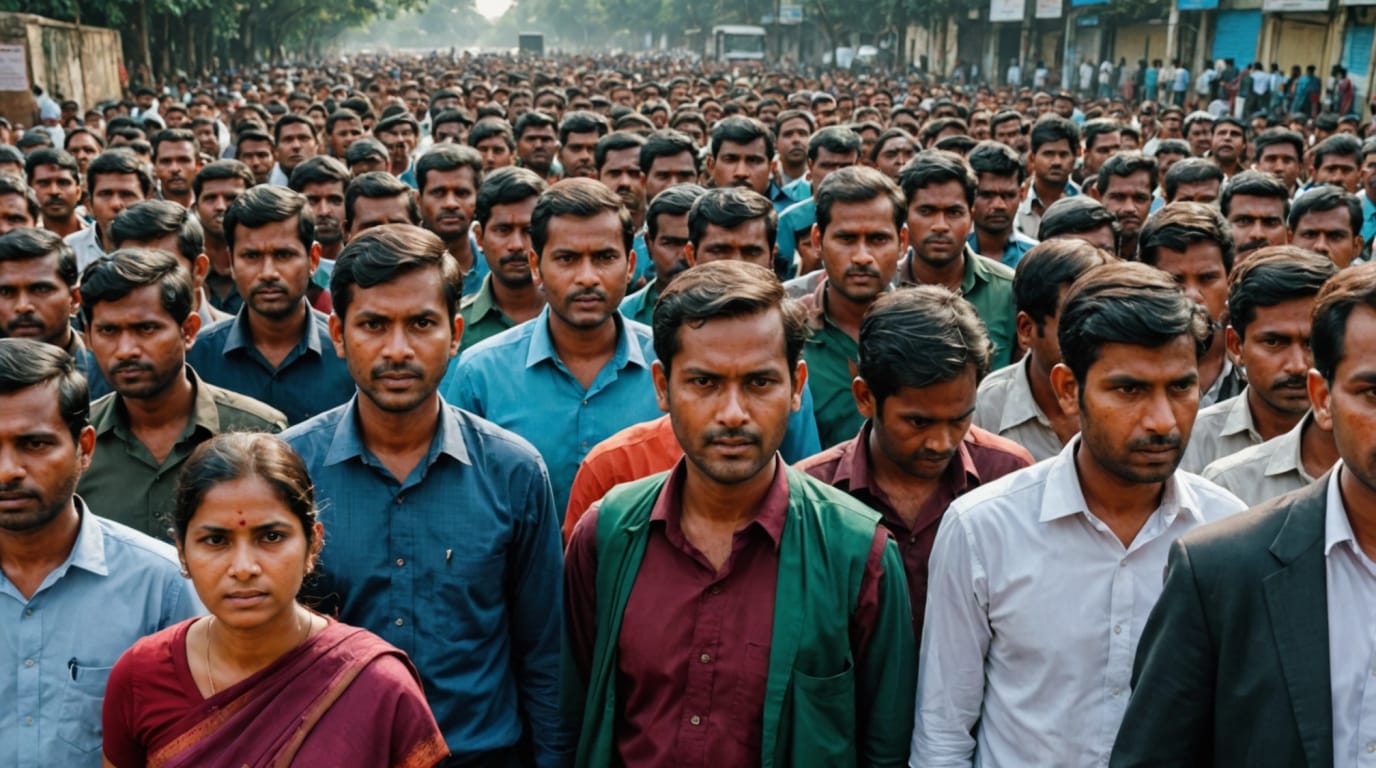
Bangladesh is navigating a complex political landscape as it prepares for national elections slated for early April 2026. The upcoming polls follow a period of significant upheaval, including the ousting of former Prime Minister Sheikh Hasina in August 2024 after 15 years in power, triggered by widespread protests. While an interim government led by Nobel laureate Muhammad Yunus is in place, the path toward a credible and accepted election is fraught with challenges.
A Timeline of Uncertainty
Since Hasina's removal, the political climate has been tense. The interim government has repeatedly stated its commitment to holding elections before June 2026, emphasizing the need for comprehensive reforms to ensure a fair and transparent process. Yunus has specifically announced that the election will be held in the first half of April 2026. However, this timeline has faced opposition from various political factions. The Bangladesh Nationalist Party (BNP), seen as a frontrunner in the upcoming elections, has been pushing for polls to be held by December 2025. This difference in opinion highlights the ongoing debate and uncertainty surrounding the election timeline.
Challenges to Electoral Integrity
Bangladesh has a history of electoral challenges, with previous elections marred by irregularities, violence, and a lack of inclusivity. A study has revealed that violence, anomalies, money and muscle power, and a weak or partisan role of the election commission influence the electoral process in Bangladesh. These factors contribute to a decline in public confidence in the government's ability to hold credible elections. The Election Commission's capability and willingness to conduct a free and fair election have been questioned due to its past actions and activities.
One significant concern is the potential for disinformation to undermine the electoral process. The spread of false narratives, propaganda, and AI-generated content, amplified by social media, can erode public trust, polarize communities, and incite violence. Countering disinformation is crucial for safeguarding electoral credibility and ensuring that voters are well-informed.
International Perspectives and Concerns
The international community is closely watching Bangladesh's election preparations. The United States has welcomed the interim government's steps toward election readiness, advocating for free and fair elections conducted peacefully. However, previous elections have drawn criticism from the U.S. and the U.K., who stated that the elections that extended Sheikh Hasina's rule were not credible, free, and fair. These nations also condemned political violence that preceded the election. Such concerns underscore the importance of ensuring that the upcoming elections meet international standards of transparency and fairness.
Some foreign observers, however, hailed Bangladesh's elections as free, fair, and legitimate. These observers, including those from the U.S., Canada, Russia, OIC, and the Arab Parliament, praised the election process in Bangladesh.
Efforts Towards Reform and Inclusivity
Despite the challenges, there are ongoing efforts to address the issues surrounding electoral integrity. The interim government is working on reforms, including those related to the constitution, through a Consensus Commission that is holding meetings with political parties. The Bangladesh Election Commission (BEC) and the United Nations Development Programme (UNDP) have launched a three-year initiative (2025-2027) called BALLOT to counter misinformation and disinformation during elections.
To ensure a more inclusive and participatory democratic system, Bangladesh needs to reform its electoral process. This includes addressing violence and intimidation, which have led to low voter turnout and disenfranchisement, particularly among young voters. A significant portion of young voters has never experienced a free, fair, and credible election.
Political Stability and Economic Implications
The upcoming elections have significant implications for Bangladesh's political stability and economic prospects. Political tensions are high, and the division between the ruling and opposition parties has been accompanied by protests, arrests, and violence. Bangladesh has consistently ranked below the 20th percentile and below regional peers in the World Bank's measure of political stability and absence of violence.
Political instability can exacerbate economic risks. Bangladesh began a 42-month, US$4.7 billion IMF program in January 2023 to preserve macroeconomic stability. However, high commodity prices and global financial tightening continue to pressure foreign reserves and the taka. A functional electoral democracy is essential for strengthening institutions, fostering business confidence, and ensuring continued support from development partners.
A Critical Juncture for Bangladesh
Bangladesh stands at a critical juncture in its democratic journey. The upcoming elections present an opportunity to restore public trust in the electoral process and usher in a new era of political stability and economic development. However, realizing this potential requires addressing the challenges of electoral integrity, countering disinformation, and ensuring inclusivity. The interim government, political parties, and the Election Commission must work together to create an environment conducive to free, fair, and peaceful elections. The world is watching to see if Bangladesh can deliver on its promise of a credible and democratic transition.


