Beijing and Moscow Cement Influence in Venezuela Amidst Deepening Crisis and Western Scrutiny
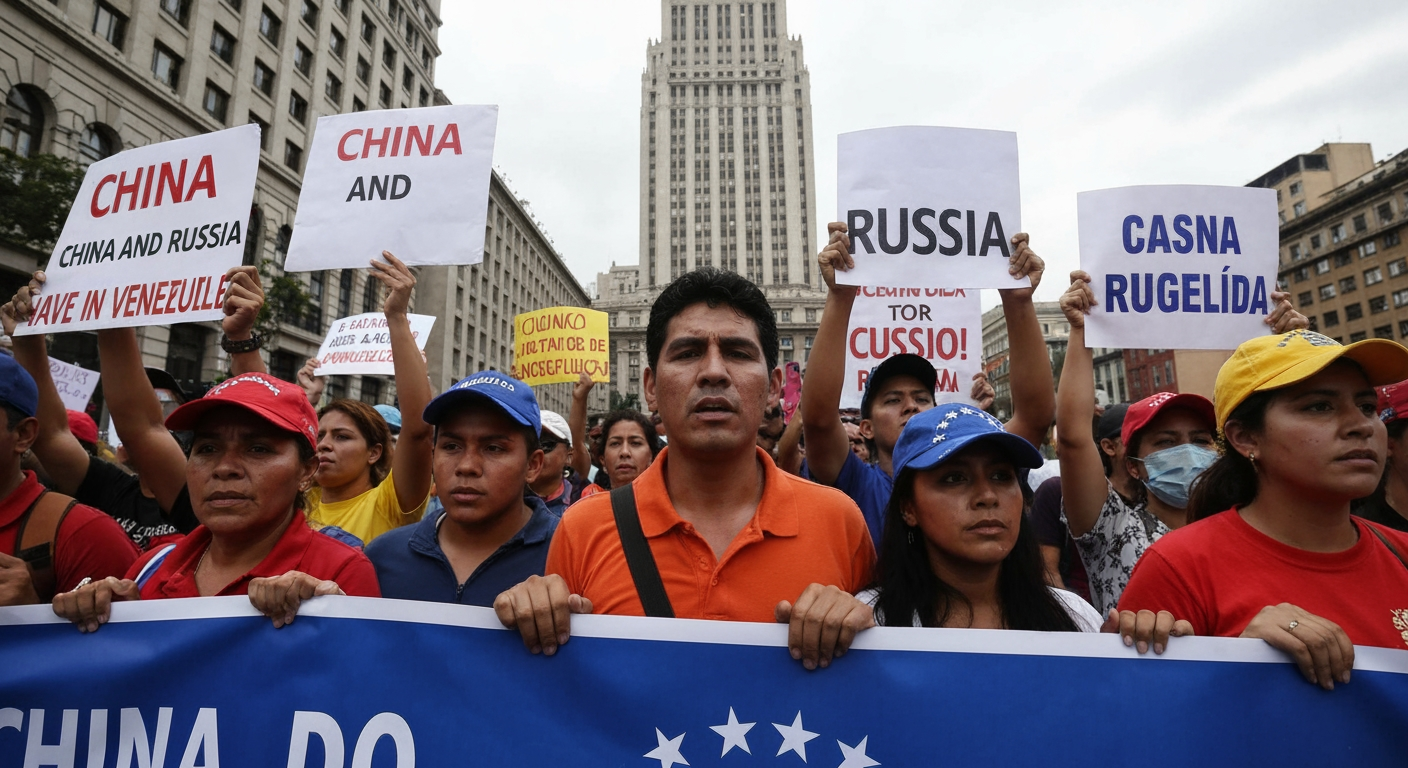
Caracas, Venezuela – As Venezuela navigates an enduring economic crisis and intensified international pressure, China and Russia have solidified their positions as indispensable allies, driven by a complex interplay of economic interests, geopolitical ambition, and military cooperation. Their steadfast support for the Nicolás Maduro regime has not only provided a critical lifeline to the oil-rich nation but also transformed Venezuela into a significant battleground in a broader global contest for influence, challenging established Western dominance in the Western Hemisphere.
For over a decade, both Beijing and Moscow have progressively deepened their involvement in Venezuela, leveraging the South American country’s vast natural resources and strategic location. While their approaches differ in tactical execution—Russia often adopting a more overtly confrontational stance against the United States, and China preferring a more commercially focused, long-term strategy—their combined presence underpins the Maduro government's resilience against calls for regime change and sanctions. This strategic partnership underscores a concerted effort by these global powers to project influence, secure vital resources, and, in Moscow's case, establish a notable foothold in what has historically been considered the United States' backyard.
The Economic Lifeline: Billions in Oil and Debt
At the core of China and Russia’s engagement with Venezuela lies a robust economic relationship, heavily centered on oil and substantial debt. China emerged as Venezuela’s principal creditor and largest oil purchaser during the Hugo Chávez presidency, extending over $60 billion in loans and oil-backed credit lines. These "oil-for-debt" arrangements stipulate that Venezuela repays its loans with crude oil shipments, a mechanism that has allowed the country to continue servicing its obligations even under stringent U.S. sanctions. Despite the withdrawal of China National Petroleum Corp (CNPC) from direct Venezuelan oil shipments in 2019 due to tighter U.S. sanctions, crude still finds its way to China through alternative channels, with defense-focused state firm China Aerospace Science and Industry Corp (CASIC) taking over shipments as payment to offset Venezuelan debt.
Russia, similarly, has provided significant financial backing, including approximately $17 billion in loans and a commitment to invest an additional $6 billion in Venezuela’s oil and gold sectors. Russian state energy giant Rosneft played a crucial role, forming joint ventures with Venezuela’s national oil company (PDVSA) and providing billions in new funds, often in exchange for collateral like shares in PDVSA’s U.S. subsidiary, Citgo. While Venezuela's oil production has collapsed from 2.4 million barrels per day in 2013 to less than 1 million today, these financial lifelines have been instrumental in preventing complete economic collapse. However, Chinese policy banks have reportedly unwound some financial links in recent years amid mismanagement and investment failures, shifting to a more "defensive lending" posture aimed at ensuring loan repayment rather than issuing large new credits. This evolution reflects Beijing's pragmatic approach, prioritizing long-term commercial interests and stability over aggressive new investments in a volatile environment.
Geopolitical Chessboard: Challenging Western Dominance
Venezuela’s strategic location and vast oil reserves make it a crucial piece in the broader geopolitical strategy of China and Russia, particularly in their efforts to challenge U.S. influence globally. For Russia, Venezuela serves as a "forward base of influence" in the Western Hemisphere, a counterweight to U.S. military dominance, and a platform for distracting the U.S. from its interests in Eastern Europe and the former Soviet Union. Moscow's backing of the Maduro administration is seen as a direct challenge to Washington's hardline stance, condemning what it views as interference in a sovereign state's internal affairs.
China, while generally more cautious in its geopolitical rhetoric, aligns with Russia in supporting Venezuela's sovereignty and opposing unilateral sanctions. Beijing views its robust economic ties with Venezuela as part of its broader ambitions in the Americas, securing access to resources, markets, and strategic options. The support for Maduro also aligns with a narrative of a "multipolar world," where countries like Venezuela can find alternatives to relying solely on Western powers. Both nations are part of a broader "coalition" of countries seeking to undermine international efforts to isolate the Maduro regime, thereby weakening the global impact of such measures.
Military Cooperation and Security Alliances
The strategic partnership extends significantly into the military and security domains, providing Venezuela with critical capabilities and bolstering the Maduro government's control. Russia has been a primary supplier of military hardware to Venezuela, with arms exports totaling approximately $14.5 billion between 2001 and 2014. This includes advanced fighter jets, helicopters, tanks, self-propelled artillery, and sophisticated air defense systems like the S-300VM. Beyond equipment, Russia has provided military training and advisory services, which Venezuelan officials have hailed as crucial for safeguarding national sovereignty and territorial integrity. Symbolic gestures, such as the dispatch of long-range strategic bombers to Venezuela in 2018 and military personnel in 2019, underscore Moscow's commitment to Caracas.
China also maintains significant military ties with Venezuela, being a major supplier of military hardware and contributing to satellite ground station construction and joint training exercises. Venezuela received about 86% of China's arms sales to the Americas between 2010 and 2020. This military cooperation enables Venezuela to circumvent U.S. sanctions and fortify its defenses, making any external intervention more complex. The combined military support from Beijing and Moscow helps to entrench the Maduro regime and projects their own military reach into a strategically important region.
Evolving Dynamics and Future Prospects
Despite the enduring strategic alliance, the dynamics of China and Russia's support for Venezuela are evolving, influenced by shifting global priorities and the deepening Venezuelan crisis. Recent reports indicate that while both nations continue to offer rhetorical support and maintain diplomatic ties, the extent of their practical assistance has become more constrained. Analysts suggest that Russia's ongoing conflict in Ukraine has absorbed significant financial and military resources, while China is focused on stabilizing its relationship with the United States amidst trade tensions. This has led to a perception that Maduro might be "increasingly isolated," with Beijing and Moscow less willing to offer the robust military or financial backing seen in past crises.
However, recent developments suggest a renewed push for cooperation. In 2025, Venezuela secured a series of energy and economic cooperation agreements with Russia, described by Venezuelan state media as a "strategic partnership" covering hydrocarbons, finance, aviation, technology, pharmaceuticals, military cooperation, and security, intended to remain in effect for the next 10 years. Concurrently, Venezuelan officials visited Shanghai to discuss potential investments in the oil sector with China Petroleum Corporation (CNPC), signaling China's potential reconsideration of its role in the country. These moves indicate that while the nature of their support may adapt, the fundamental strategic alignment between Venezuela, China, and Russia remains a significant factor in regional and global geopolitics.
A Persistent Global Power Play
The intertwined interests of China and Russia in Venezuela transcend mere transactional relationships, representing a persistent and complex global power play. Economically, their demand for oil and the debt mechanisms provide critical stability to the Maduro regime, albeit with inherent challenges. Geopolitically, Venezuela remains a vital locus for Beijing and Moscow to project influence, challenge the U.S.-led international order, and foster alternative alliances. Militarily, their continued support reinforces Venezuela’s capacity for self-defense and internal security, further complicating any external attempts at regime change. While the intensity and form of their engagement may fluctuate with global events, Venezuela’s continued reliance on these powerful allies ensures its role as a pivotal point in the ongoing strategic competition between major world powers.
Related Articles

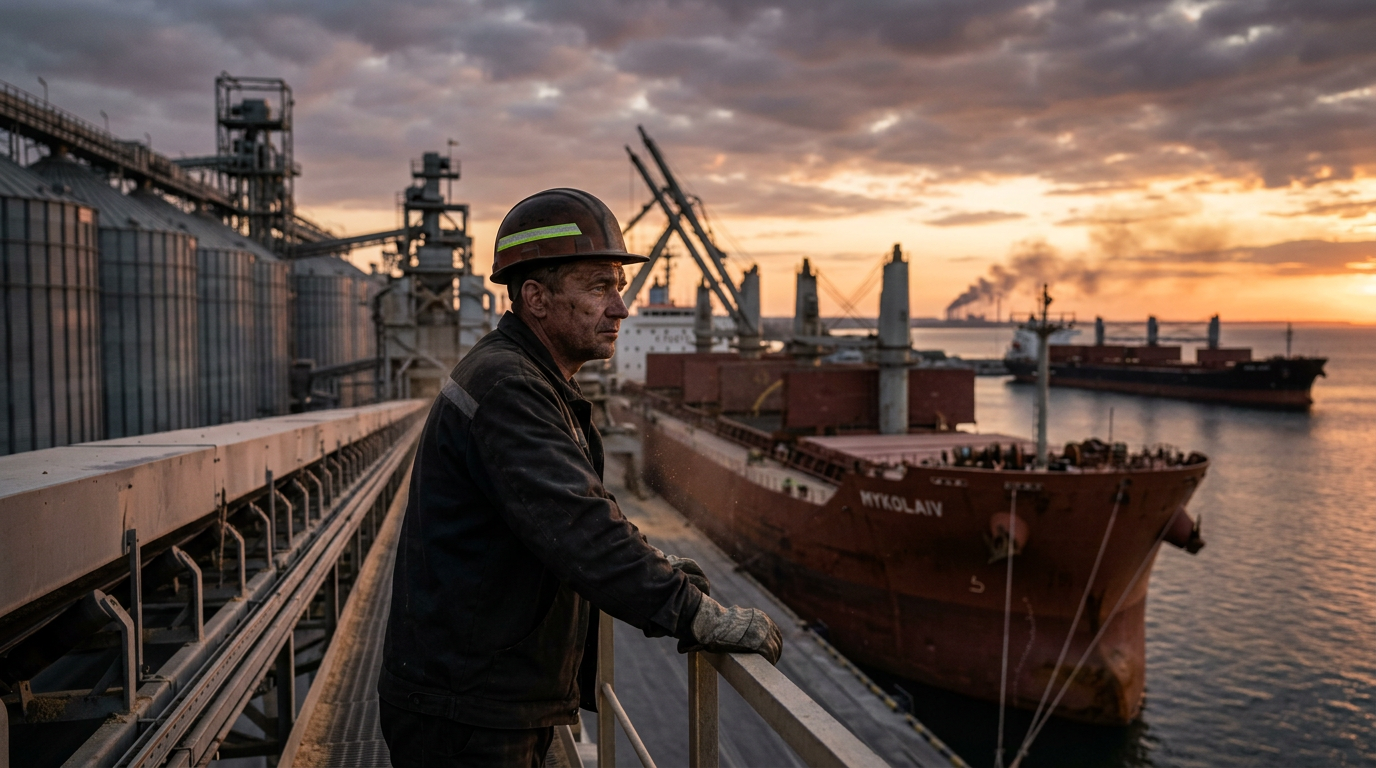
Black Sea Grain Trade Under Siege: Ukrainian Attacks Cripple Russian Exports, Spark Global Food Security Fears
Novorossiysk, Russia — A dramatic escalation of Ukrainian attacks on Russian Black Sea ports and shipping infrastructure has severely disrupted grain exports from the region, triggering fresh anxieties over global food...

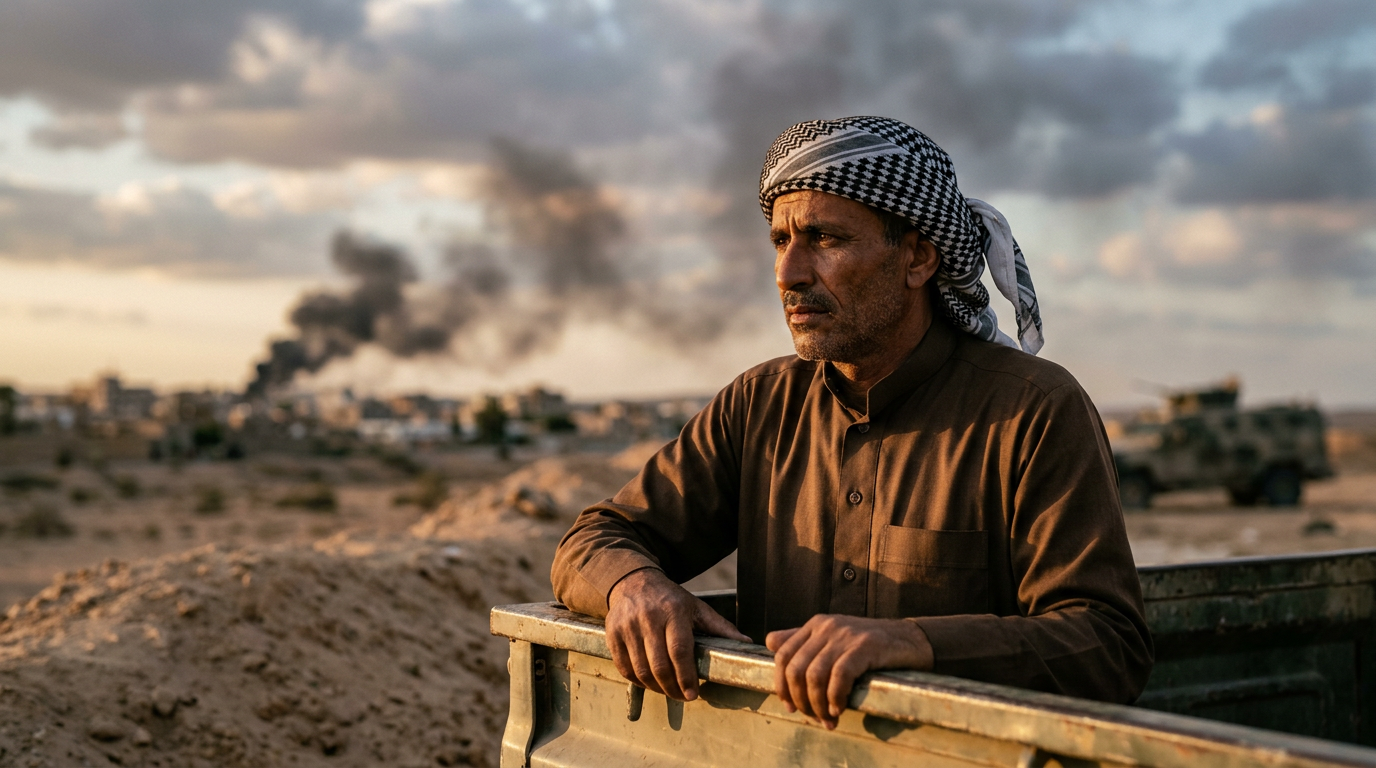
Yemen Plunges Toward Full-Scale War Amid Escalating Houthi Attacks
Yemen stands at a perilous crossroads, teetering on the brink of a full-scale war after a series of deadly Houthi missile and drone strikes shattered a fragile four-year truce. Recent assaults on government military...

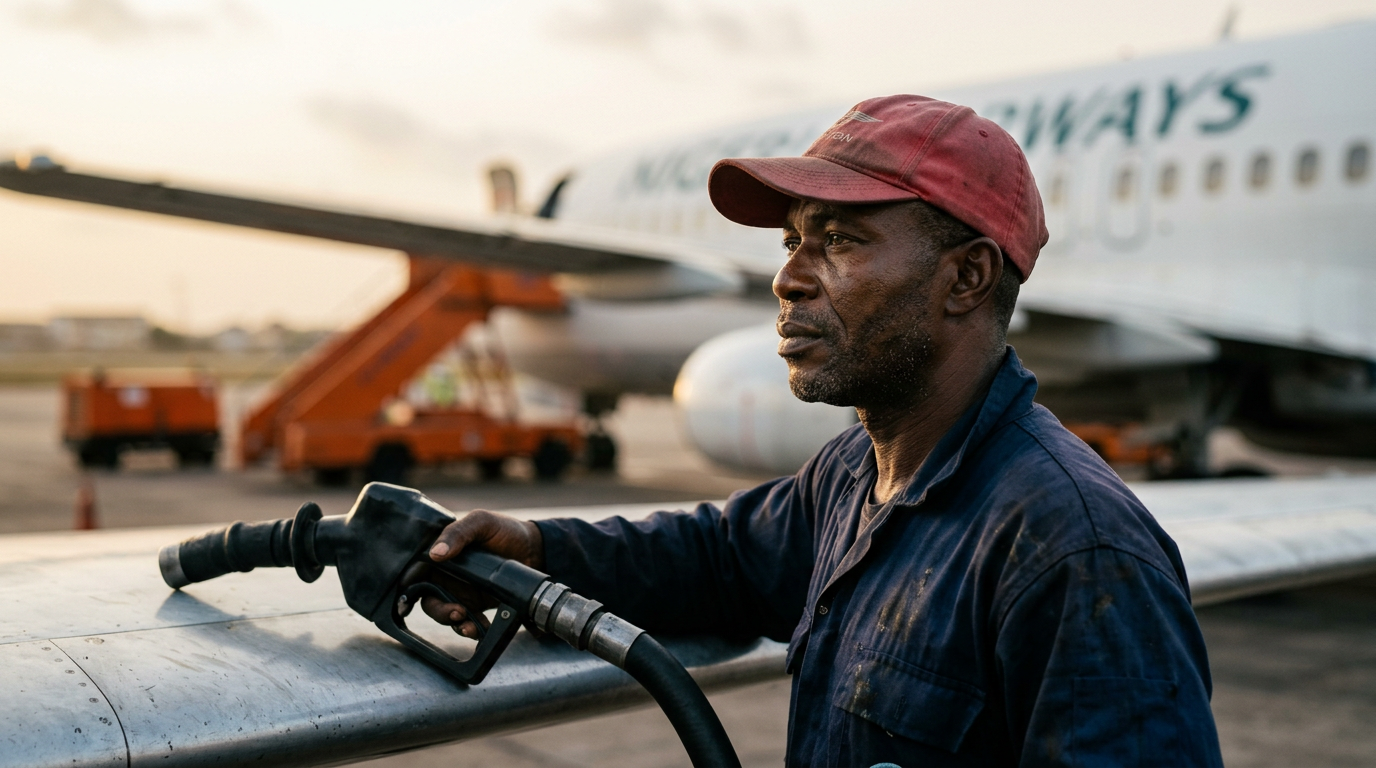
Nigeria's Paradox: Jet Fuel Abundance Abroad While Domestic Airlines Grapple with Sky-High Costs
Lagos, Nigeria – In a striking paradox echoing through Nigeria's economic landscape, the nation has emerged as a significant exporter of jet fuel, supplying markets as far as Europe and becoming a pivotal player in...